
Phillies Hire Gabe Kapler As Manager
OCT. 30, 3:41pm: The Phillies have announced that Kapler will indeed take over the dugout.
7:30am: Kapler is indeed the Phillies’ choice to be their next manager, reports MLB.com’s Todd Zolecki. He impressed in a second interview this past Friday, and an announcement could come on Monday, according to Zolecki.
OCT. 29: The Phillies look to be close to naming Gabe Kapler as their next manager, as Jon Heyman and Robert Murray of FanRag Sports report that “barring something unforeseen,” Kapler is the team’s choice to replace Pete Mackanin. An official announcement could come as early as Monday, or perhaps until after the World Series is over.
Kapler and Triple-A manager Dusty Wathan were known to be the finalists for the job. Former Red Sox manager John Farrell also known to be in the running if Philadelphia opted for a skipper with MLB experience. It now seems, however, that the Phillies will go in the opposite direction with Kapler, who will be joining a Major League staff for the first time in any capacity. He has worked as the Dodgers director of player development for the last three years, and Kapler’s dugout resume consists of managing the Red Sox A-ball affiliate in 2007 and coaching on Team Israel’s staff during the qualifying rounds of the 2013 World Baseball Classic.
Despite this relative lack of experience, however, Kapler has long been cited as a potential manager of the future, even dating back to his playing career as an outfielder with the Red Sox, Rangers, Rays, Tigers, Rockies and Brewers from 1998-2010 (he took a year off for that Single-A managing stint). Kapler was seen as a strong contender for the Dodgers’ last managerial vacancy, and it was even seen as something of an upset when the team instead hired Dave Roberts.
The Phillies were thought to be looking to hire a more analytically-minded manager, and Kapler would certainly fit that description. Two years ago, ESPN.com’s Mark Saxon profiled Kapler’s full embrace of statistical analysis, physical and mental training methods in helping mold the Dodgers’ minor leaguers. Kapler, 42, would be the latest in the game’s trend of younger managers not far removed from their playing days and without much formal managerial or even coaching experience.
Assuming the hire is official, Kapler will take over a young Phillies team still in the midst of a rebuild, but already with some intriguing building block pieces on the roster. Phils GM Matt Klentak surprised many when he removed Mackanin from the manager’s job to a front office position last month, though since Mackanin was already in place when Klentak became GM in October 2015, Klentak has now firmly put his own stamp on the manager’s job. Klentak and Kapler have a past relationship, as Klentak was working in the Rockies’ baseball operations department in 2003 when Kapler was playing for the team.
Yankees Will Not Retain Manager Joe Girardi
The Yankees announced on Thursday that after a decade as the team’s manager, Joe Girardi will not return for an 11th season in 2018. Girardi’s four-year contract (worth a reported total of $16MM) expired at the end of the 2017 season.
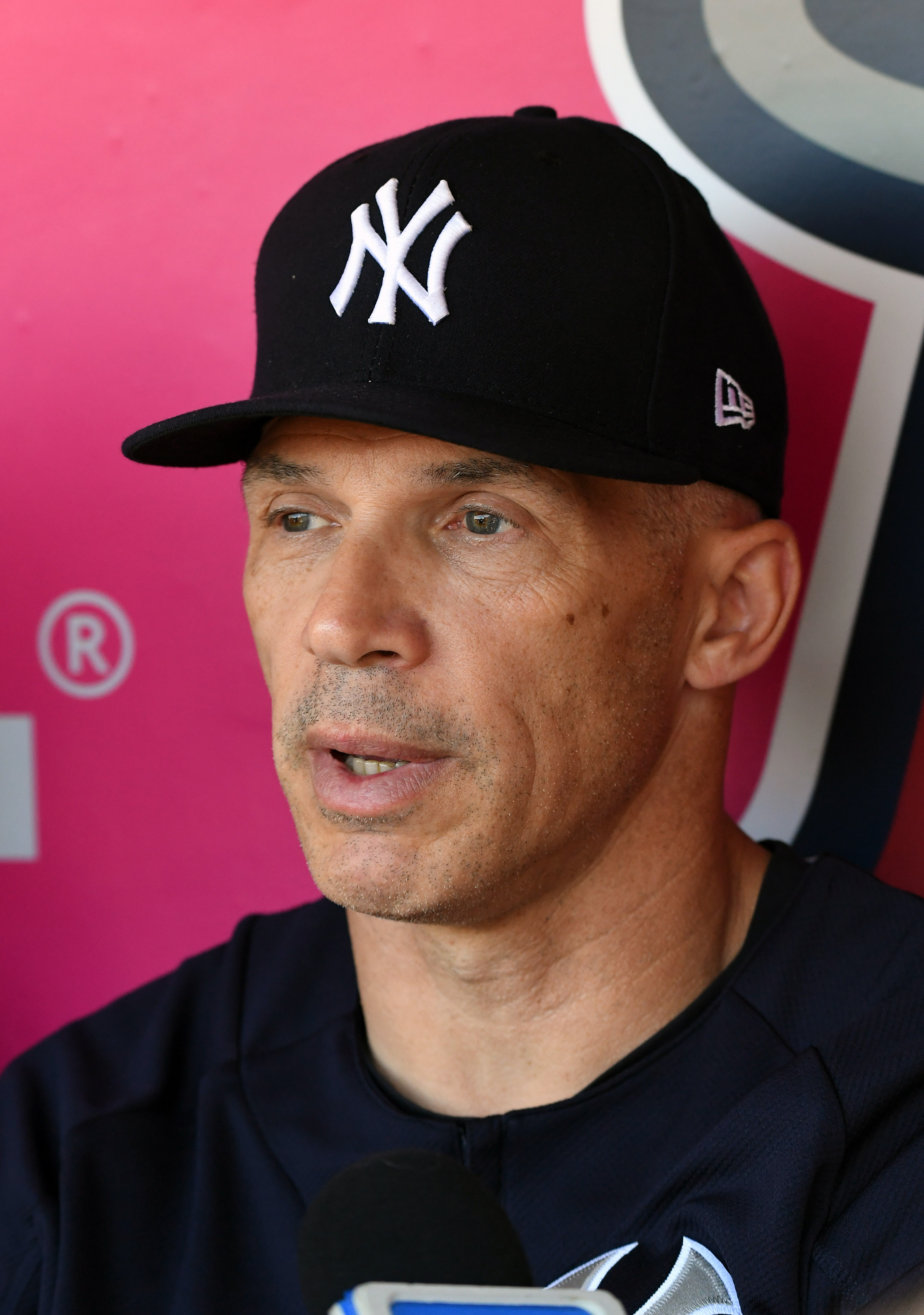
Girardi himself tells WFAN’s Sweeny Murti that he did not decide to step down, but that the Yankees made the decision not to retain him (Twitter link): “With a heavy heart, I come to you because the Yankees have decided not to bring me back.”
There have been rumblings for the past couple of weeks that Girardi’s future with the Yankees was uncertain. Ken Rosenthal wrote for The Athletic yesterday (subscription required) that some Yankees officials had gotten the sense that Girardi was “spent” and “ready to move on.” Rosenthal also noted, though, that there was some degree of tension between the Yankees and Girardi. ESPN’s Buster Olney, in fact, tweets that general manager Brian Cashman’s recommendation to owner Hal Steinbrenner was that the Yankees make a change at the manager position.
Cashman offered the following comment in a press release announcing the decision not to retain Girardi:
“I want to thank Joe for his 10 years of hard work and service to this organization. Everything this organization does is done with careful and thorough consideration, and we’ve decided to pursue alternatives for the managerial position. As Hal Steinbrenner and I mentioned to Joe directly this week, he has been a tremendous Yankee on the field and away from it, as a player, coach and manager. He has a tireless work ethic, and put his heart into every game he managed over the last decade. He should take great pride in our accomplishments during his tenure, and I wish Joe and his family nothing but success and happiness in the future.”
Girardi, 53, will walk away from the Yankees with an outstanding 910-710 regular-season record as well as a 28-24 record with the Yankees in the postseason. That playoff record includes a 2009 World Series Championship and this past season’s deep run into Game 7 of the ALCS in what many expected to be a transitional year for the Yanks.
Girardi came under fire following a misstep in Game 2 of the ALCS when he neglected to challenge a hit-by-pitch call on a pitch that, in replay, looked to have struck Indians outfielder Lonnie Chisenhall’s bat rather than his hand, as had been ruled. Chisenhall went to first base, setting the stage for a dramatic Francisco Lindor grand slam.
In the coming days, Girardi owned the mistake, telling the media that he “messed up.” If his accountability wasn’t enough to atone for the decision, however, the Yankees’ play certainly was in the eyes of most fans. Girardi’s Yankees stormed back to win three straight against the Indians, marching to the ALCS and taking the Astros to the brink of elimination in a seven-game series.
Yankees higher-ups, however, seemingly weren’t swayed by the team’s resiliency. Whether the decision ultimately came from the front office or from ownership, Girardi somewhat remarkably becomes the third playoff manager and the sixth overall to be removed from his post in since late September. Two division champion managers, John Farrell (Red Sox) and Dusty Baker (Nationals) have been shown the door by their respective organizations. Additionally, the Phillies (Pete Mackanin) and Mets (Terry Collins) moved their skippers into advisor roles within the front office, while the rebuilding Tigers parted ways with Brad Ausmus.
The managerial seats of both the Nationals and the Phillies remain vacant, creating the possibility that Girardi could enter the mix for either position. Given Girardi’s track record and the level of respect that he has earned throughout the industry, it’d be something of a surprise if either club didn’t reach out to him. As for the Yankees, they’ll embark on their own search for a new skipper in the weeks to come.
David Kaplan of ESPN 1000 first broke the news (on Twitter). FanRag’s Jon Heyman first tweeted that the decision came from the Yankees, not Girardi.
Photo courtesy of USA Today Sports Images.
Brewers Extend Chase Anderson
8:40am: McCalvy provides additional financial details (Twitter link): Anderson will receive a $1MM signing bonus and is guaranteed salaries of $4.25MM in 2018 and $6MM in 2019. The contract also has $400K worth of incentives available each year.
8:34am: The two options are valued at $8.5MM and $9.5MM, MLBTR has learned (Twitter link). Both contain $500K buyouts.
8:26am: Anderson will be guaranteed $11.75MM over the two guaranteed years of the deal, reports FanRag’s Jon Heyman (on Twitter). MLB.com’s Adam McCalvy, meanwhile, tweets that Anderson can earn up to $31.35MM over the four years if both options are exercised and if Anderson meets all of the incentives that are baked into the deal.
8:05am: The Brewers announced this morning that they’ve signed right-hander Chase Anderson to a two-year contract that runs through the 2019 season and contains club options for the 2020 and 2021 seasons. Anderson, a client of Hub Sports Management, was arbitration-eligible for the second time as a Super Two player this winter. The new contract gives Milwaukee cost certainty over his final three arbitration years and as well as control over one would-be free-agent season.
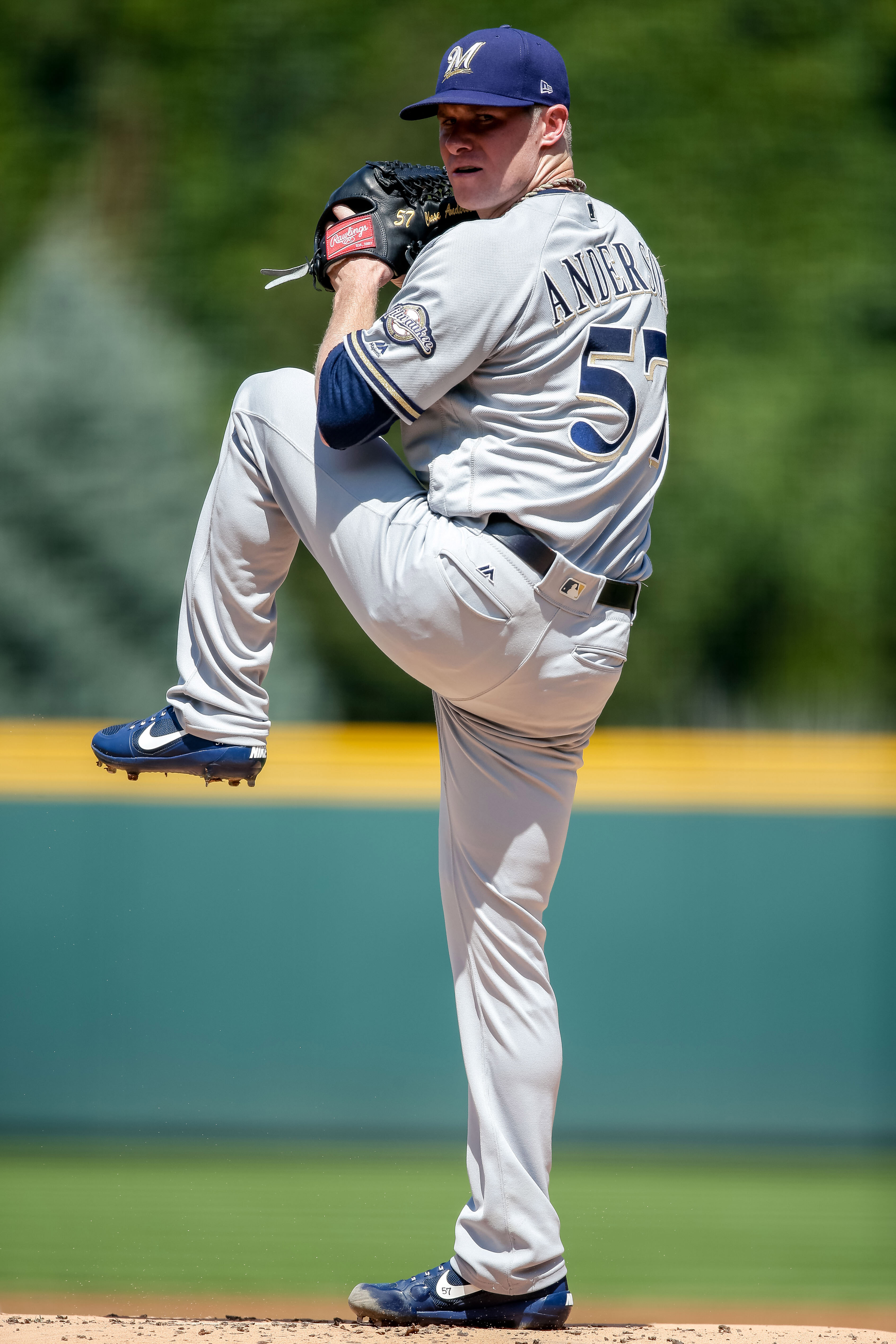
“Signing Chase to a multi-year contract furthers our strategy to acquire, develop and retain talent throughout our organization,” said Brewers GM David Stearns in a press release announcing the new contract. “Chase’s 2017 performance elevated his stature in the game and demonstrated that he has the capability to lead a rotation. Since he arrived in Milwaukee, Chase has been a model contributor to our community both on and off the field. We are happy for him and his family and look forward to Chase’s contributions for years to come.”
Anderson, 30 next month, was originally acquired alongside prospect Isan Diaz in the trade that sent Jean Segura from Milwaukee to Arizona. The righty has been a stable source of useful innings since debuting with the D-backs in 2014 but elevated his game to a new level in his second season with Milwaukee. This past season, Anderson broke out with a 2.74 ERA, 8.5 K/9, 2.6 BB/9 and a 39.2 percent ground-ball rate in 141 1/3 innings.
Anderson’s velocity jumped a bit in 2017, and in addition to his career-high K/9 rate, he also posted career-best marks in swinging-strike rate and opponents’ contact rate. Beyond his velocity increase, Anderson also began throwing more cutters and curveballs at the expense of his changeup and four-seam fastball — and the results were clearly favorable. An oblique injury cost him nearly two months of his season this summer, but outside of a minor triceps issue in 2015, Anderson has never been on the MLB disabled list with an arm injury.
Moving forward, Anderson figures to play an even larger part in the Milwaukee rotation, as the Brewers are not yet certain what to expect out of emergent ace Jimmy Nelson in 2018. Nelson underwent shoulder surgery last month, and it’s known that he’ll miss a notable portion of the upcoming regular season, though the team has yet to put a specific timeline on his recovery or project a return date. Anderson will be joined in the rotation by young righty Zach Davies, though as noted in MLBTR’s Offseason Outlook on the Brewers, the Brewers possess several options but few locks beyond those two spots. In all likelihood, that pair will be joined by at least one starting pitcher that isn’t currently in the organization.
Photo courtesy of USA Today Sports Images.
Dustin Pedroia Undergoes Knee Surgery
Red Sox second baseman Dustin Pedroia underwent surgery on his left knee today, according to Peter Abraham of the Boston Glove (via Twitter). The team has announced that the “cartilage restoration procedure” will keep Pedroia from game action for approximately seven months.
If he stays on schedule, then, it seems the best case is that the 34-year-old Pedroia will miss approximately the first two months of the 2018 season. He also required a procedure on the same joint last October. He was able to work back to health over the offseason, but suffered further injury after taking a hard slide and ended up dealing with inflammation over the course of the 2017 campaign.
Pedroia remains a key part of the Boston plans, of course. He’s slated to earn $56MM through the 2021 season under the extension he signed in the summer of 2013. It’s fair to wonder, though, whether the Sox would be best-served buttressing their infield depth for the coming season.
That being said, president of baseball operations Dave Dombrowski suggests to Evan Drellich of NBC Sports Boston that a significant move won’t be needed to account for the surgery. Given the timing and existing depth options, Dombrowski says this procedure and that of lefty Eduardo Rodriguez “do not really affect [the Red Sox’] offseason plans.” Indeed, the team does have some infielders with MLB experience — Brock Holt, Deven Marrero, Tzu-Wei Lin, Josh Rutledge, and Marco Hernandez — that could conceivably fill in, though all come with questions.
Notably, too, Dombrowski says that the team is optimistic about Pedroia’s ability to return to effectiveness. And it would surely be premature to doubt a player of Pedroia’s stature and long-lauded toughness. Indeed, there’s plenty of reason to believe he can still play at a fairly high level as he reaches his mid-thirties. Even when battling through injury in 2017, Pedroia turned in a .293/.369/.392 batting line. While that’s shy of his typical output, including his work in the prior two seasons, it still represents league-average productivity with the bat. Perhaps some of the power will return with better health.
At the same time, Pedroia’s defensive and baserunning metrics have declined quite a bit of late. Though he’s still generally valued as a positive in the field, Fangraphs’ BsR measure paints him as a significantly below-average runner. In the aggregate, given his age and injury history, there’s also cause quite some uncertainty as to Pedroia’s future outlook.
Some may wonder why it took this long for the move. Dombrowski explained, though, that the surgery was accomplished as soon as possible once it was decided upon. Understandably, Pedroia first spent some time assessing his options with doctors, as it’s not a minor procedure. Sox righty Steven Wright, who’s still working back from the same thing, detailed an “excruciating” and ultimately lengthy recover in a recent conversation with WEEI.com’s Rob Bradford.
Mets Hire Mickey Callaway As Manager
4:49pm: The contract includes a team option for a fourth season, per Mike Puma of the New York Post (via Twitter).
11:00am: The Mets have announced Callaway’s hiring. There’s a press conference set for Citi Field at 4pm ET today.
OCT. 23, 8:40am: The Mets are expected to announce Callaway’s hiring this afternoon at Citi Field, tweets Mike Puma of the New York Post.
OCT. 22, 1:37pm: Callaway is taking the job, Marc Carig of Newsday tweets.
12:43pm: The Mets have offered their managerial job to Indians pitching coach Mickey Callaway, according to Joel Sherman of the New York Post. The two sides are finalizing Callaway’s contract, Sherman adds (Twitter link). It’ll be a three-year deal, Jon Heyman of FanRag reports (on Twitter).
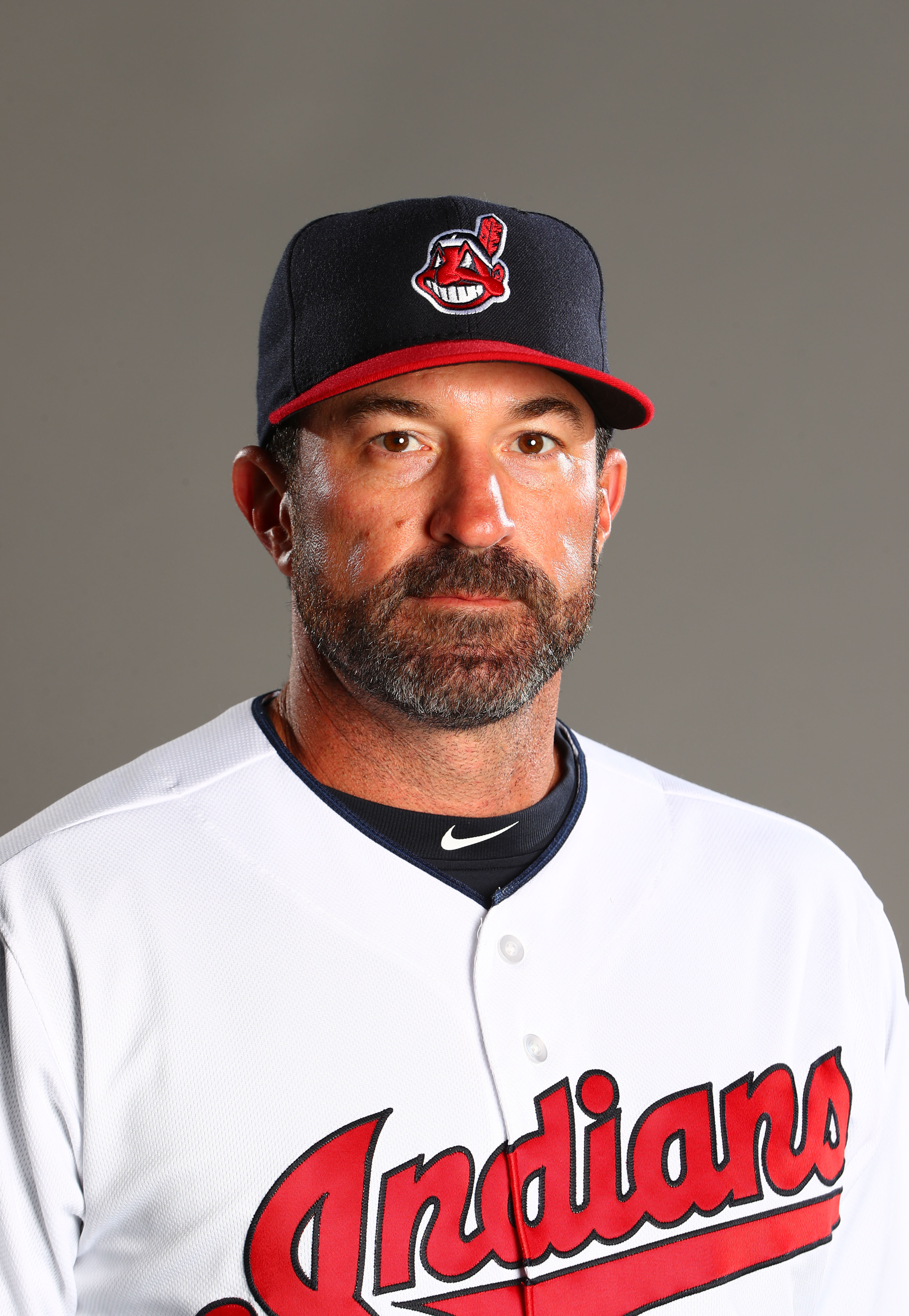
The 42-year-old Callaway emerged as the top candidate for the job earlier Sunday, beating out Mets hitting coach Kevin Long, Mariners third base coach Manny Acta and White Sox third base coach Joe McEwing for the position. Callaway “stood out” from the rest during his interviews with Mets brass, Sherman tweets. The club’s hope is that Long will stay on as part of Callaway’s staff, per Sherman (on Twitter).
Callaway, who also drew interest from the manager-needy Phillies, developed an excellent reputation during his five-year run as the Indians’ pitching coach. In what will go down as Callaway’s final season on manager Terry Francona’s staff, the Indians boasted one of the most successful pitching staffs of all-time.
As was the case in Cleveland, Callaway – a major league pitcher from 1999-2004 – will have an opportunity to work with a slew of gifted hurlers in New York. Despite the immense talent on hand, though, the majority of Mets pitchers dealt with injuries and posted poor performances in 2017 during a 70-92 season that led to previous manager Terry Collins’ ouster. Aside from Jacob deGrom, who was his typical excellent self, none of the Mets’ top starters stayed healthy. Noah Syndergaard missed most of the season, while Matt Harvey, Steven Matz and Zack Wheeler mostly turned in ineffective showings when they were physically able to take the mound. Meanwhile, fellow starters Robert Gsellman, Seth Lugo and Rafael Montero failed to distinguish themselves as rotation locks for 2018.
In addition to trying to turn around the fortunes of the Mets’ pitchers next season, Callaway will oversee a position player group that also had a less-than-ideal 2017. The Mets’ premier hitters, Yoenis Cespedes and Michael Conforto, endured injury-shortened years, and the latter could miss a portion of next season after undergoing shoulder surgery in September. Still, the expectation is that those two will continue to serve as the Mets’ offensive centerpieces going forward. There are questions elsewhere, though, most of which center on the team’s infield alignment. Amed Rosario is a lock to start at shortstop, but it’s not yet clear who will earn the lion’s share of playing time at first, second or third base.
The Mets’ roster issues will be up to general manager Sandy Alderson to figure out in the coming months, but he’ll obviously work to put his first-time manager in position to succeed right away. Despite their miserable campaign, the Mets aren’t far removed from being one of the National League’s most formidable teams. They earned playoff berths in each of the two prior seasons, including a World Series appearance in 2015, and will attempt to return to relevance under Callaway in 2018.
Photo courtesy of USA Today Sports Images.
Braves Exercise Tyler Flowers’ Option, Decline R.A. Dickey’s Option
The Braves announced on Monday that they’ve exercised their $4MM club option on catcher Tyler Flowers and declined their $8MM club option over R.A. Dickey in favor of a $500K buyout. Dickey will receive that $500K payout even if he decides to retire, MLB.com’s Mark Bowman tweets. Atlanta also announced that Flowers underwent an arthroscopic debridement surgery on his left wrist on Oct. 9, though the press release states that he’s expected to be ready for Spring Training 2018.
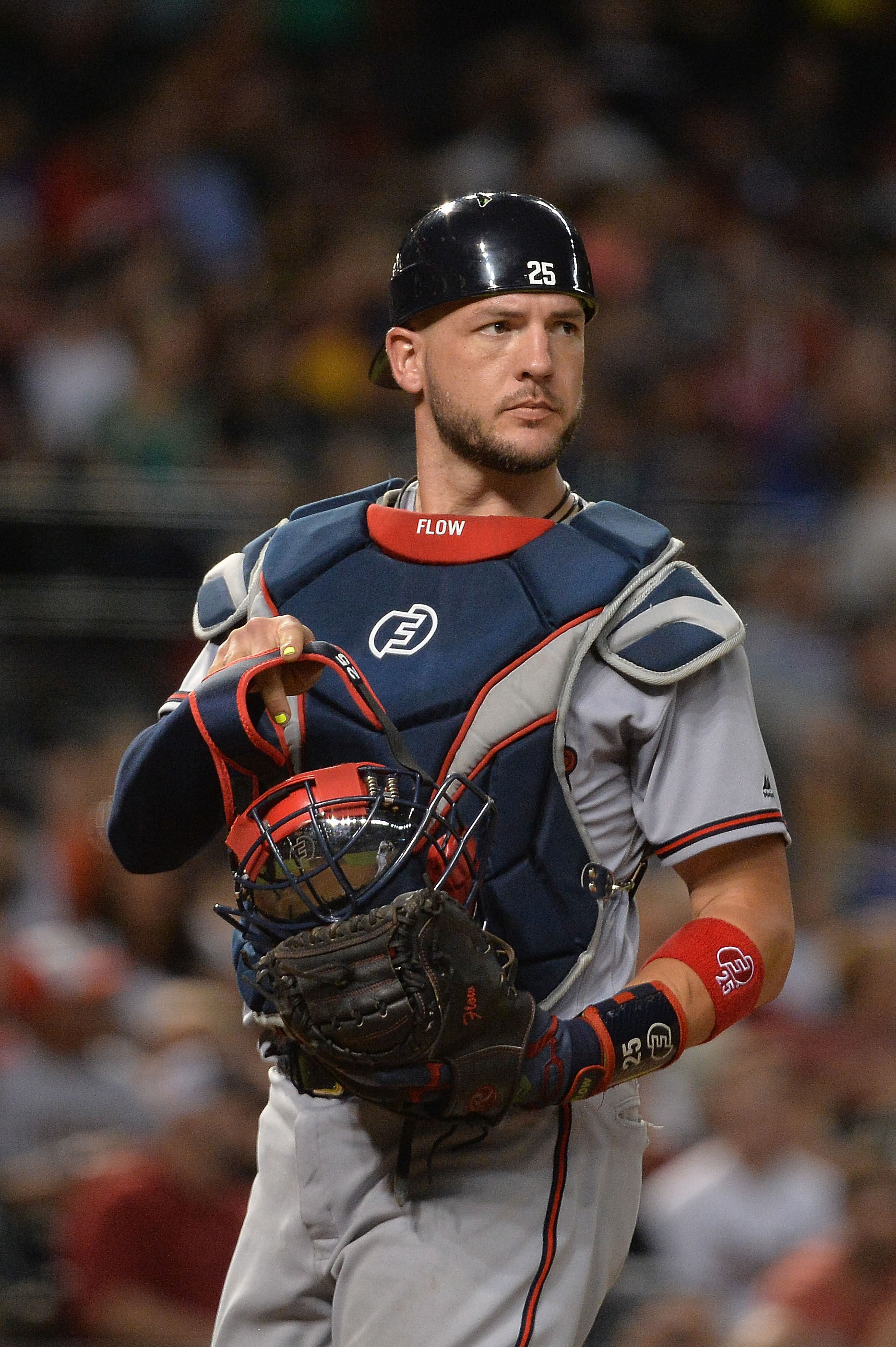
The decision to exercise Flowers’ affordable option was among the easiest calls in baseball this offseason. The 31-year-old Flowers (32 in January) enjoyed a career year at the plate, hitting .281/.378/.445 with a dozen homers and 16 doubles. He also rated as baseball’s top pitch-framing catcher, per Baseball Prospectus, and he halted 23 percent of stolen base attempts against the Braves’ pitching staff in 2017. Flowers will once again pair with Kurt Suzuki, who signed a late-season extension with the Braves, to shoulder the bulk of the catching duties for the Braves in 2018.
Dickey, 43 this weekend, was one of three veteran acquisitions for the Braves’ rotation last offseason and proved to be the only one that truly panned out. Bartolo Colon was released over the summer, while Atlanta was content to simply allow the Twins to eat the remainder of the salary on left-hander Jaime Garcia‘s contract and took less in return than they surrendered to acquire Garcia when dumping him on Minnesota.
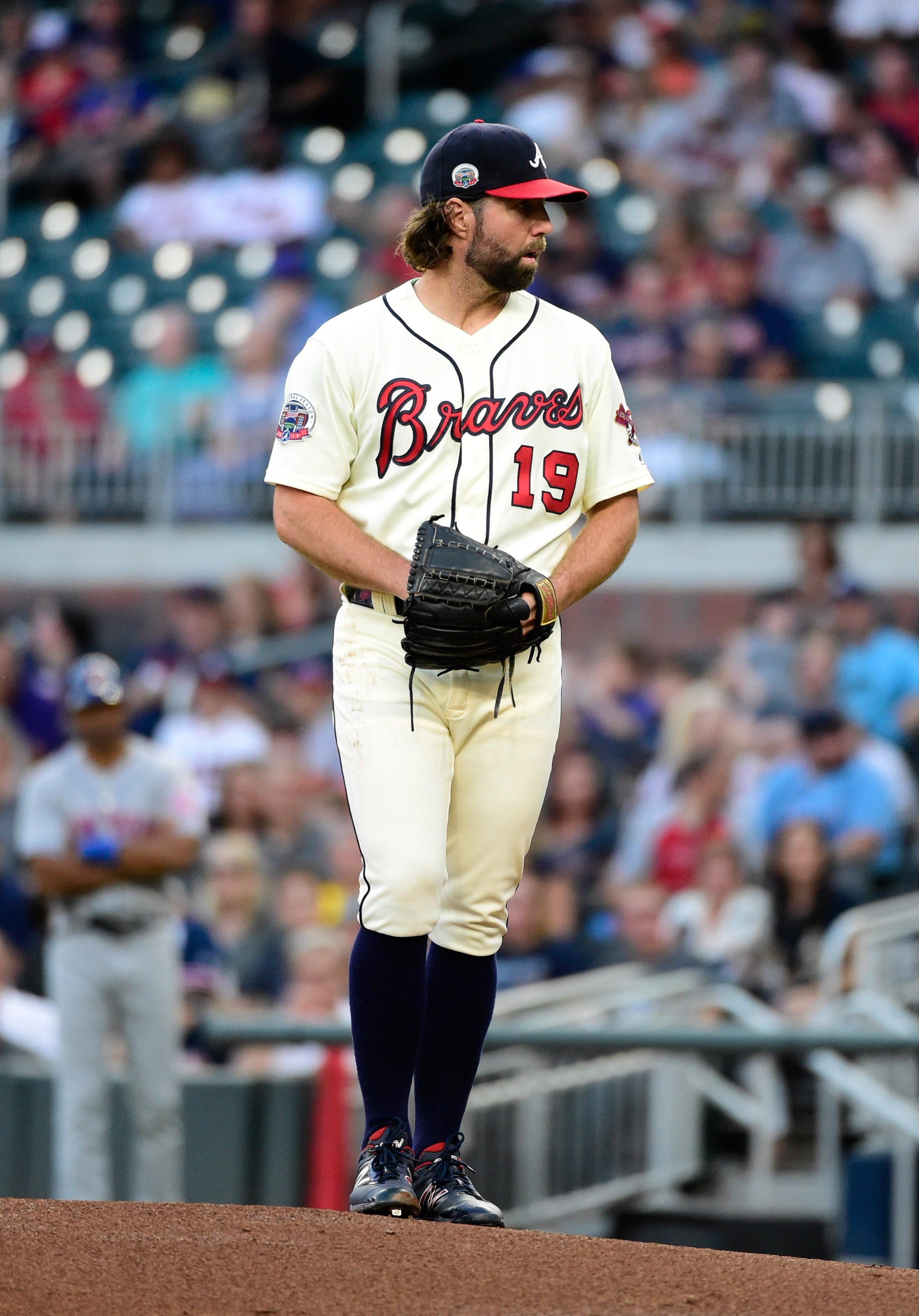
Dickey, though, proved to be exactly what the Braves hoped: a stabilizing innings eater that soaked up some starts while the Braves’ young arms continued their development in the upper minors. The knuckleball specialist took the hill 31 times for the Braves, with his final outing of the year representing his 300th career start and his 400th career MLB appearance. In those 31 starts, he logged 190 innings with a 4.26 ERA, 6.4 K/9, 3.2 BB/9 and a 46.9 percent ground-ball rate.
There’s been talk that the 2017 season may have been the final chapter of Dickey’s career, though his overall performance certainly seems to suggest that he could return for a 16th Major League season if he still has the desire to continue pitching.
The Braves, clearly, are now set at catcher with Flowers and Suzuki in tow for the 2018 campaign, but their rotation presents a far bigger question mark. Julio Teheran and Mike Foltynewicz both struggled through pedestrian campaigns in 2017, while top prospect Sean Newcomb yielded slightly better results but continued to demonstrate sub-par control. Each of Lucas Sims, Luiz Gohara and Max Fried made his MLB debut for the Braves in 2017, but none from that group of top prospects saw enough time or experienced enough success to be considered locks to hold down a 2018 rotation spot. Atlanta also has former top prospects Aaron Blair and Matt Wisler on the 40-man roster, but neither has created much cause for optimism in the Majors to this point in his career.
Suffice it to say, while the Braves possess a wealth of intriguing upper-level arms, it’d be something of a surprise if the team did not once again look to bring in some veteran arms to augment a young core of talented but unproven rotation candidates.
Photos courtesy of USA Today Sports Images.
Red Sox Hire Alex Cora As Manager
The Red Sox announced on Sunday that they have hired Astros bench coach Alex Cora as their next manager. Boston gave Cora a three-year contract with a club option for 2021. The team will hold a press conference to introduce Cora after the World Series between the Astros and the Dodgers concludes.
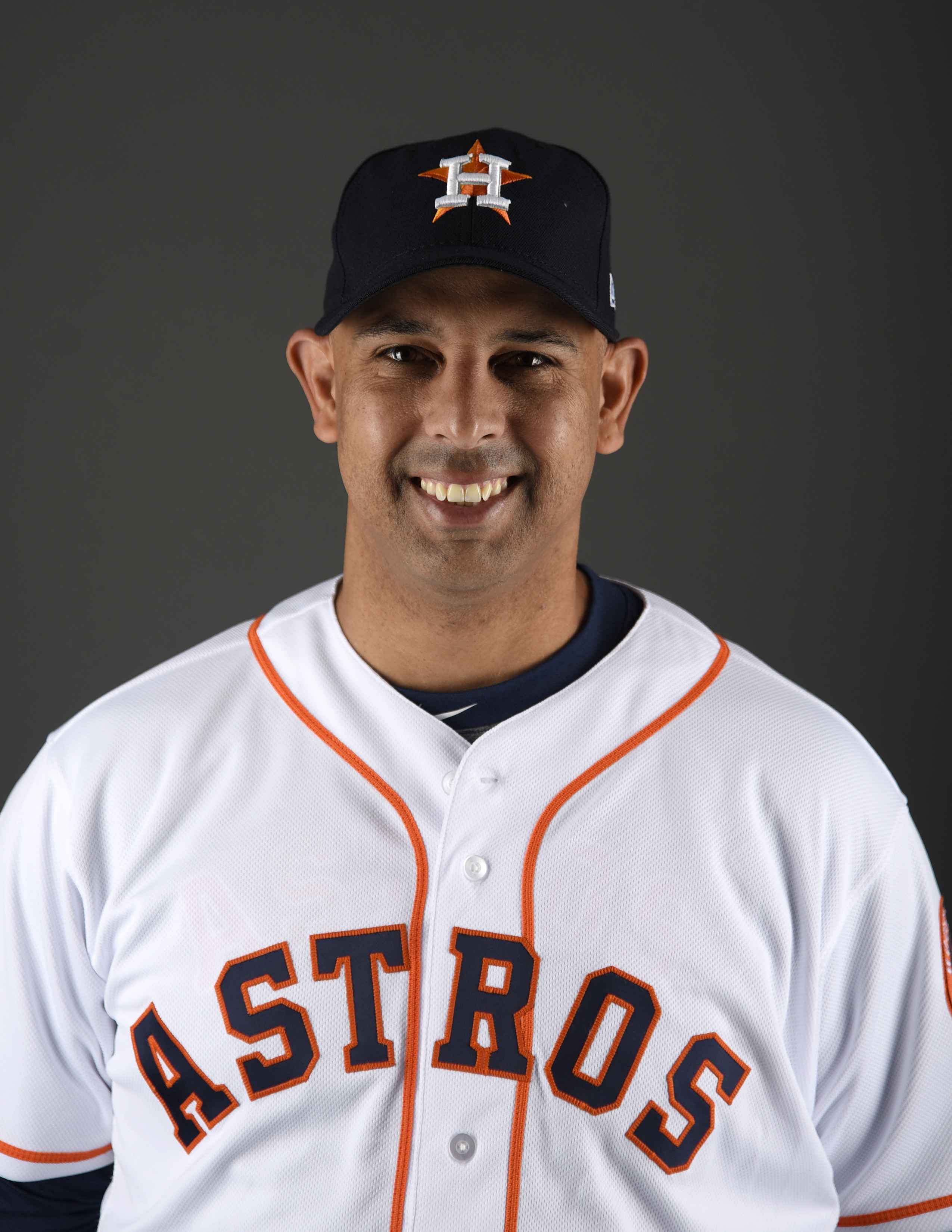
It’s no surprise that the Red Sox chose the 42-year-old Cora, who quickly emerged as the favorite to take over for previous skipper John Farrell after his firing on Oct. 11. Newly named Tigers manager Ron Gardenhire and Detroit predecessor Brad Ausmus also drew consideration for the job.
Unlike Gardenhire and Ausmus, Cora doesn’t bring any major league managerial experience to the table, and this will go down as his only year on A.J. Hinch’s coaching staff in Houston. Nevertheless, it seemed inevitable he’d get an opportunity somewhere this offseason. The Tigers showed interest in Cora before going with Gardenhire, while the Phillies, Mets and Nationals also eyed him for their openings.
From a talent standpoint, Cora will enter an enviable situation in Boston, which won its second straight AL East title in 2017 before falling to Cora’s Astros in a four-game American League Division Series. The Red Sox’s array of quality players, not to mention their big-spending ways, should help Cora’s cause, though he’ll also enter a pressure-packed position that comes with high expectations from fans and media alike. Farrell can attest to that, given that he wasn’t particularly popular during his five-year Boston tenure despite being in the dugout for three seasons of at least 93 wins – all of which included division championships – and a World Series title in 2013.
Cora is the first managerial hire in Boston for Red Sox president of baseball operations Dave Dombrowski, who inherited Farrell when he took over the franchise’s front office in 2015. In the Puerto Rican-born Cora, Dombrowski will get a bilingual manager who’s known to value analytics. Cora’s also already familiar with the Boston organization, having been an infielder with the Red Sox from 2005-08 during a major league playing career that lasted from 1998-2011.
Jon Heyman of FanRag first reported that Boston offered the job to Cora. Ken Rosenthal of The Athletic reported the length of Cora’s contract. Ian Browne of MLB.com reported that the Red Sox could announce the hiring Sunday. Pete Abraham of the Boston Globe reported that the Sox would indeed hire Cora. Photo courtesy of USA Today Sports Images.
Official Super Two Cutoff
Super Two status allows certain players to reach arbitration — significantly boosting their earnings — before they achieve three full years of MLB service. Whether or not a player qualifies, which is determined by ascertaining the top 22 percent of MLB players with between two and three years of service time — makes a huge difference in their salary not only for the coming season, but also the ensuing years of arbitration.
This year, the service-time cutoff will land at two years and 123 days, MLBTR’s Tim Dierkes reports on Twitter. Players that have accumulated at least that much service time will therefore be eligible for salary arbitration, so long as they spent at least 86 days on the active roster in 2017.
You can find MLBTR’s arbitration projections for the coming offseason right here. Among the players listed there, the Twins’ Eddie Rosario will instead have to settle for the league minimum (with a raise, if any, given at the sole discretion of his team).
Here’s how this year’s cutoff compares to recent years:
- 2016: 2.131
- 2015: 2.130
- 2014: 2.133
- 2013: 2.122
- 2012: 2.140
- 2011: 2.146
- 2010: 2.122
- 2009: 2.139
It’s easy to see the impact of Super Two status with a few examples. Sam Dyson put up some middling numbers in 2017, but still projects to take home $4.6MM because of his lofty salary starting point. George Springer is expected to earn $8.9MM in his 3+ service-class year because of last year’s Super Two salary (and his outstanding intervening campaign).
The aforementioned Rosario, meanwhile, projected at $3.5MM but will instead likely not even earn one-fifth of that amount for the 2018 season (depending upon the generosity of his employer) since he landed under the line. Meanwhile, players such as Corey Knebel, Maikel Franco, and Felipe Rivero project to top $3MM in earnings. As for 2016 NL MVP Kris Bryant, the Cubs’ controversial decision to keep him off the Opening Day roster in 2015 will still leave the team with an added year of control, but he is projected to bring home a monster $8.9MM salary as a Super Two, perhaps setting the stage for a record-setting run through the arb process.
Dusty Baker Will Not Return As Nationals’ Manager In 2018
12:05pm: General manager Mike Rizzo tells reporters that the decision had nothing to do with contractual negotiations (Twitter links via Jorge Castillo of the Washington Post). In fact, there were never any actual negotiations, and no contract was offered to Baker. “Winning a lot of regular season games and winning divisions is not enough,” said Rizzo.
11:11am: The Nationals announced on Friday that Dusty Baker will not return as the team’s manager for the 2018 season. Baker’s contract only ran through the 2017 season, but the two sides had reportedly been discussing the possibility of a reunion prior to today’s announcement. The Nats offered the following statement in their release:
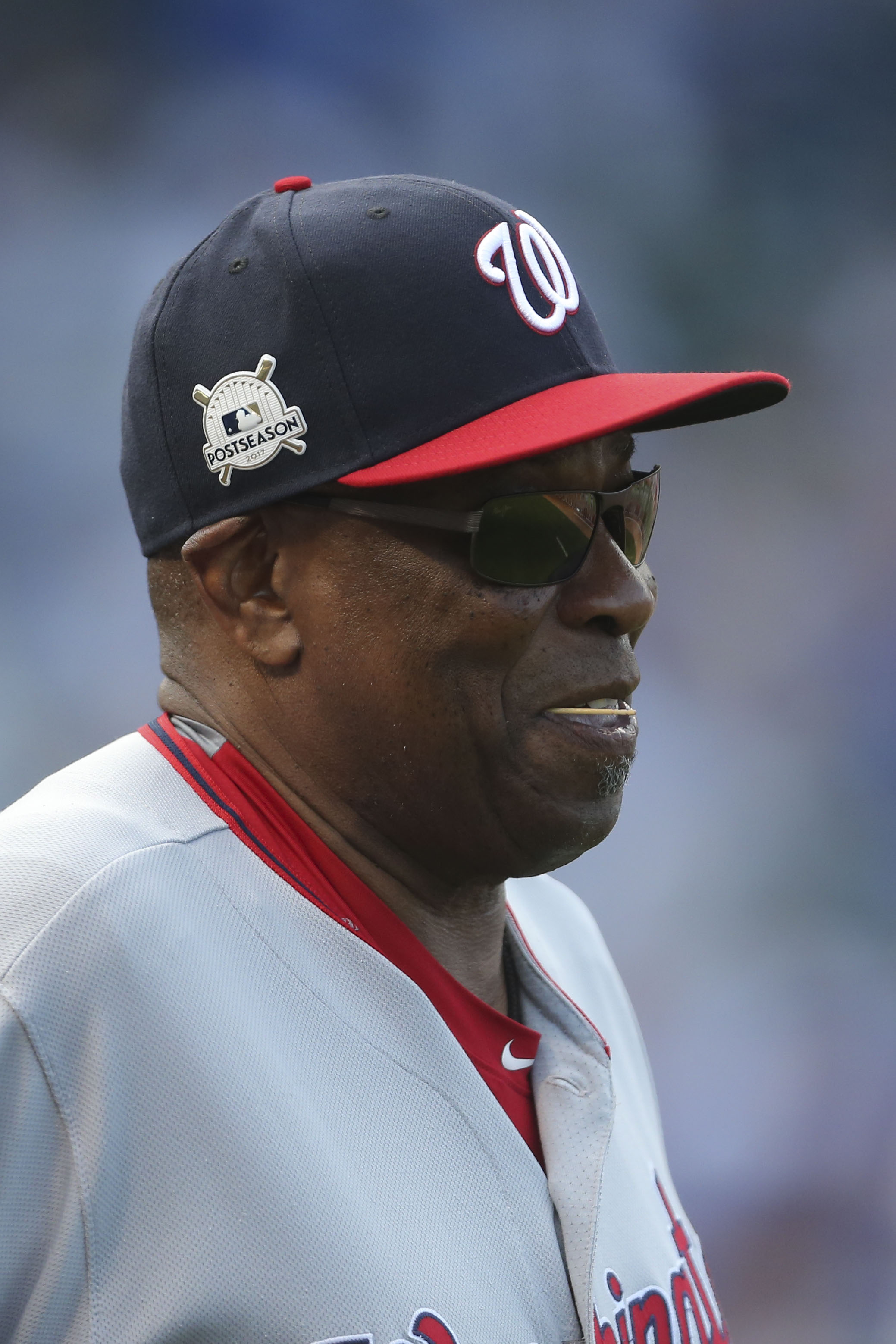
“The Lerner family, on behalf of the entire organization, would like to thank Baker for his two years in the dugout. He led the team to the first back-to-back division titles in our history and represented our club with class on and off the field. We wish him the best going forward.
The contracts for the Major League coaching staff have also expired. The Nationals’ search for a new manager will begin immediately, and we will work with that person to build his coaching staff.”
Baker, 68, won 95 games in his debut season with the Nationals last year and followed that up with a 97-win campaign in 2017 despite myriad injuries to key players (e.g. Adam Eaton, Trea Turner, Bryce Harper) and an early-season bullpen mess. Rumblings about his lack of a contract for the 2018 season began to surface this summer, but the general consensus while the Nationals were winning during the regular season was that the two sides would eventually work out an agreement to extend their relationship.
That calculus may have changed with yet another Division Series exit for the Nationals, who despite winning the division four times in the past six years, have never advanced to the National League Championship Series. Baker’s Nats fought the Cubs tooth and nail, hanging on until the final out of what proved to be a 9-8 loss in Game 5. Certainly, it’s easy to second-guess any number of managerial decisions with the benefit of hindsight following a postseason exit, though the placement of Jayson Werth in the second spot of the batting order over NL MVP candidate Anthony Rendon (who hit sixth) was panned throughout the Division Series. The communication mishap surrounding Stephen Strasburg’s Game 4 start also appeared to reflect poorly.
That said, it’s difficult to place the blame for another early exit on Baker’s shoulders — particularly after a 97-win season. Baker’s players often voiced admiration and praise as his contract situation lingered in an unresolved state, but the Nats will now be looking for their fourth permanent manager since the 2011 season. Since the franchise moved from Montreal to Washington, D.C. in 2005, the Nationals have had six permanent managers (plus interim skipper John McLaren) in 13 years. No manager has lasted more than three seasons at the team’s helm.
For Baker, the lack of a contract extension is undoubtedly disheartening. He’s voiced on multiple occasions in recent months that he still has a desire to manage and will depart a team that remains stacked with talent and looks very much like a the NL East favorite once again in 2018. There are, of course, other managerial vacancies which Baker can pursue should he choose. While the Tigers formally named Ron Gardenhire their new manager on Friday, the Mets, Phillies and Red Sox are all still without skippers for the 2018 season.
All of those teams are quite a ways into their managerial searches, though, with the Red Sox reported to be particularly close to the end. Baker could also take a year off and once again pursue managerial opportunities that arise following the 2018 campaign, though it’d hardly be a surprise to see his name connected to any of those searches.
Photo courtesy of USA Today Sports Images.
Tigers Sign Ron Gardenhire To Three-Year Contract
11:30am: The Tigers have formally announced the hiring of Gardenhire, noting that he has indeed signed a three-year contract with the club.
OCT. 20, 7:40am: The Tigers have scheduled a press conference for 1pm ET today to announce the hiring.
OCT. 19: Ron Gardenhire has agreed to a three-year deal to become the Tigers’ next manager, per Jon Morosi of MLB Network (Twitter link). The deal could be announced tomorrow; Detroit’s decision to tab the veteran skipper was first reported earlier today by Ken Rosenthal and Katie Strang of The Athletic (subscription required and recommended).
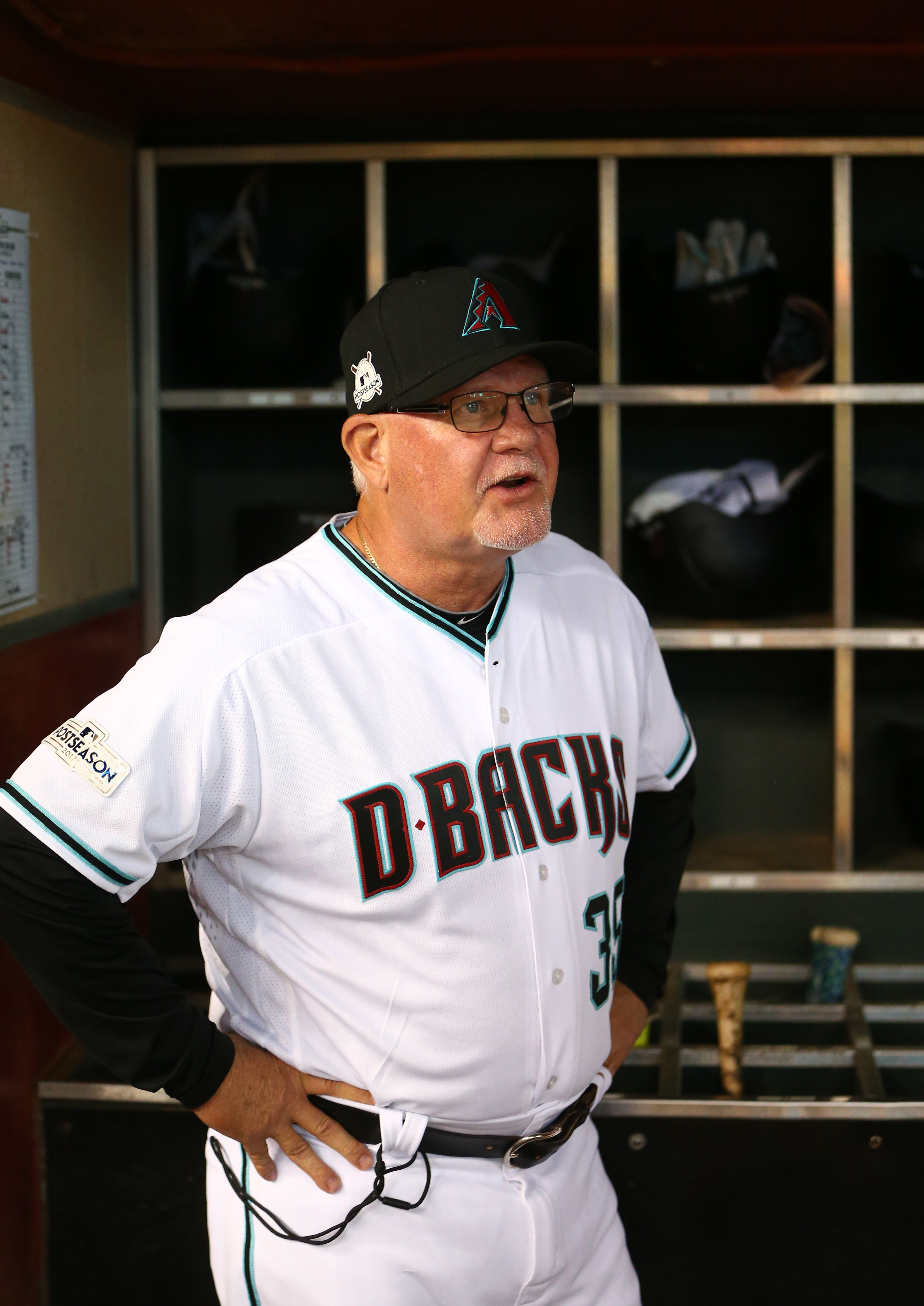
Detroit will install the widely respected 59-year-old in the dugout in place of Brad Ausmus, whom the club decided not to retain past the present season. Gardenhire previously managed the division-rival Twins and most recently served as the Diamondbacks’ bench coach. He also fought through a diagnosis of prostate cancer earlier this year, returning to help guide the Diamondbacks to a successful season.
At last check, Tigers GM Al Avila had cast a wide net in lining up options. While there was no prior indication that a decision was looming, Detroit obviously decided to go ahead with Gardenhire, perhaps due in some part to ongoing competition with other organizations. Gardenhire was also under consideration for the Red Sox job, though that is expected to go to Alex Cora.
After moving on from Ausmus, who was a rookie skipper when he signed on, the Tigers have indicated a clear preference for a candidate with prior time as a MLB manager. Gardenhire certainly checks that box. He spent thirteen years running things for the Twins, beginning in 2012. That tenure spanned quite a few good years, including a run of six postseason appearances in nine years, though the team’s performance fell off sharply in his final four campaigns.
Gardy ultimately delivered a 1,068-and-1,039 win/loss record during his time in Minnesota, which wrapped up after the 2014 campaign. He failed to guide the team into the World Series and only made it out of the divisional round once despite the run of regular season success.
In any event, postseason considerations likely won’t be much of a factor early in Gardenhire’s tenure with Detroit. The team is only just embarking upon a rebuilding effort that is likely to take several seasons to come to fruition, after all, placing it more in the situation that the Twins found themselves in back in 2011 — the first year of the four-season run of misery. Gardenhire, then, has his share of experience in bringing along younger players through a rebuilding stage. While he ultimately was cut loose in Minnesota, perhaps some of his efforts are beginning to bear fruit there.
It’ll be interesting to see how this relationship works out. Avila had suggested a need for a new approach from a new skipper, but evidently was not referring to a strong sabermetric predilection. Gardenhire brings a reputation as an old-school manager, after all. As Joe Posnanski wrote at the end of his tenure in Minnesota: “Gardy comes from the Tom Kelly school — he was the valedictorian of the Tom Kelly school — where managers grump and demand and instill and bunt too much and occasionally fall in love with limited but gritty players.” That said, Gardenhire is also said to carry a new “openness” to modern analytics after his year with the D-Backs, Morosi tweets. Avila and the Tigers are betting that approach will help foster the growth of a new core and ultimately guide the team back into contention.
Photo courtesy of USA Today Sports Images.