
Trading An Ace In 2014 Is Still Paying Dividends For The Rays
When the Rays traded David Price to the Tigers in a three-team deal back in 2014, the deal was met with a generally negative reaction for the Tampa Bay organization. The Rays weren’t far removed from trading James Shields and Wade Davis in a deal that netted Wil Myers (at the time a top 10 prospect in all of baseball), Jake Odorizzi and Mike Montgomery. Expectations for a return on a Price trade were high in the first place, but landing such a stout package for Shields and Davis was a stunner that might have further bolstered the perception of what Price “should” command.
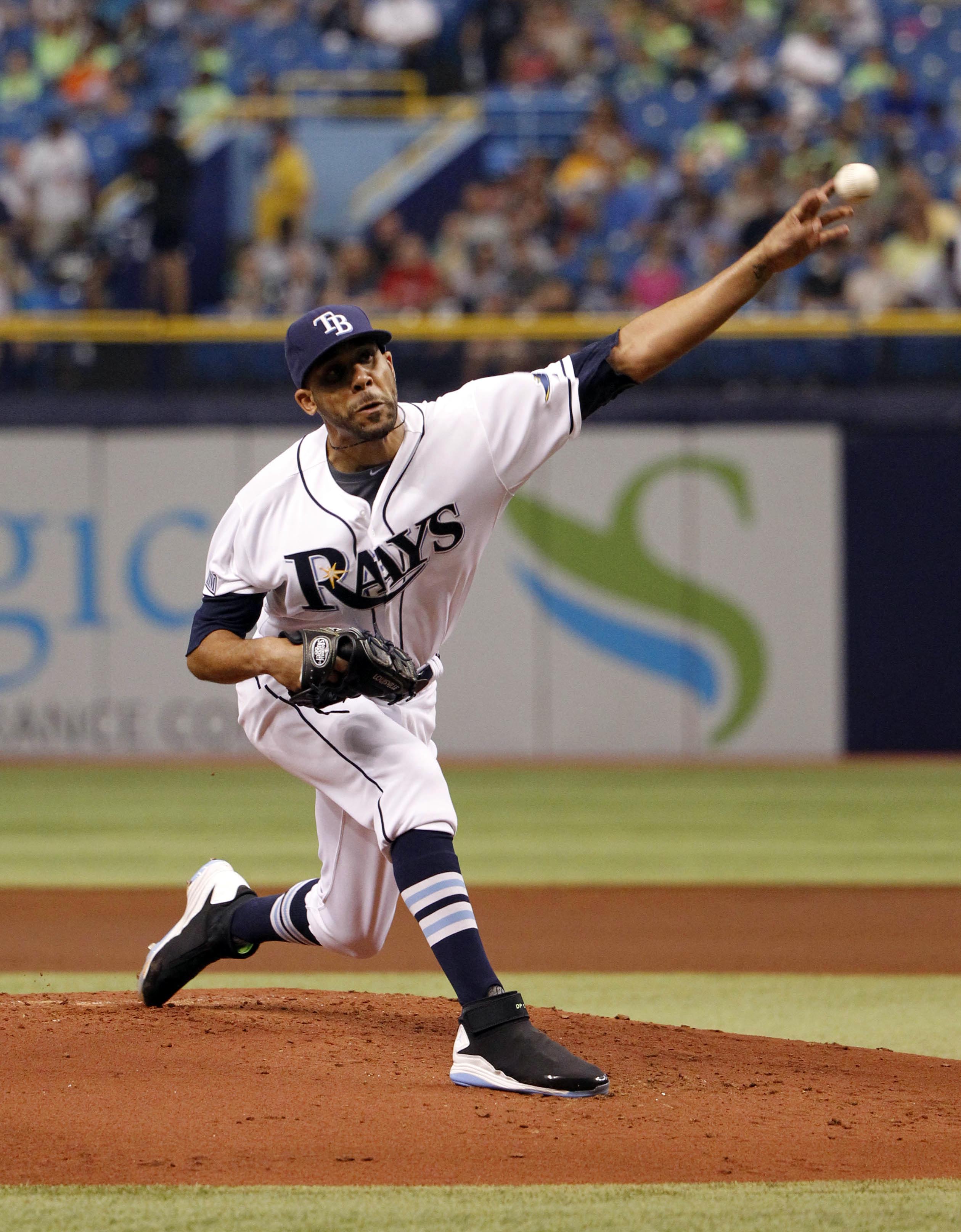
By the time the trade deadline rolled around in July 2014, the Rays were two games below .500 and eight games out of first place. Price was already earning $14MM and due another raise in what would be his final trip through arbitration the following winter. And Price, true to form at the time, had been outstanding: he’d started 23 games with the Rays and racked up 170 2/3 innings with a 3.11 ERA, 10.0 K/9 and 1.2 BB/9. The Rays’ front office was faced with the choice of moving a year and a half of Price at the deadline or hanging on for a faint postseason hope and likely dealing just one year of him that winter. Then-GM Andrew Friedman surely knew that ownership wouldn’t be keen on committing a nearly $20MM salary to Price in 2015.
Ultimately, Price landed in Detroit in a deal that sent center fielder Austin Jackson from the Tigers to the Mariners as well. The Rays came away from the swap hoping that with the two headliners on their end of the deal, they’d acquired a controllable mid-rotation lefty (Drew Smyly) and a long-term piece in the middle infield (Nick Franklin). Onlookers were skeptical.
“I’m floored that this is all the Rays got for David Price — as are some of the execs I’ve talked to so far — and I can’t imagine that the return this winter would have been any worse,” Keith Law wrote for ESPN when reviewing the trade at the time. While both Smyly and Franklin had the chance to be average regulars, Franklin in particular came with some downside. Franklin didn’t even draw a mention in Dave Cameron’s rundown of the swap at FanGraphs, which praised the Rays for grabbing a ready-made mid-rotation piece in Smyly but painted the move as a win for Detroit. Most reactions to the deal were similar. Cameron noted that the 18-year-old shortstop prospect the Tigers threw in “might have some future value,” and Law called him a “lottery ticket in the scope of the deal.”
Any concerns regarding Franklin’s future proved to have merit. The former No. 27 overall draft pick was touted as a top prospect for years, but he never panned out with the Mariners, the Rays, the Brewers or the Angels. Tampa gave him a decent leash — understandably so, given the nature of his acquisition — but after two and a half years in the organization, Franklin had compiled a lowly .227/.284/.388 slash in the big leagues. His production in Triple-A wasn’t much better outside of a solid run of 57 games in 2015. He was designated for assignment in 2015 and lost on waivers to the Brewers for no return.
Smyly’s time with the Rays proved more fruitful. He tossed 289 2/3 innings of 3.95 ERA ball and logged some encouraging strikeout numbers. At times, Smyly looked like a potential breakout candidate — I admit to thinking as much of him… just before the Rays traded him to Seattle in the 2016-17 offseason. Smyly indeed went on to star for Team USA in the 2017 World Baseball Classic, but he had Tommy John surgery before that season even began and ultimately missed two seasons due to that injury.
Suddenly, the Rays were left with the lottery ticket shortstop they’d picked up for Price and the two players they’d received from the Mariners for Smyly — that’d be the trio of Willy Adames, Ryan Yarbrough and Mallex Smith (whom they later traded back to Seattle for Mike Zunino and now-23-year-old lefty Michael Plassmeyer, who is still in the system).
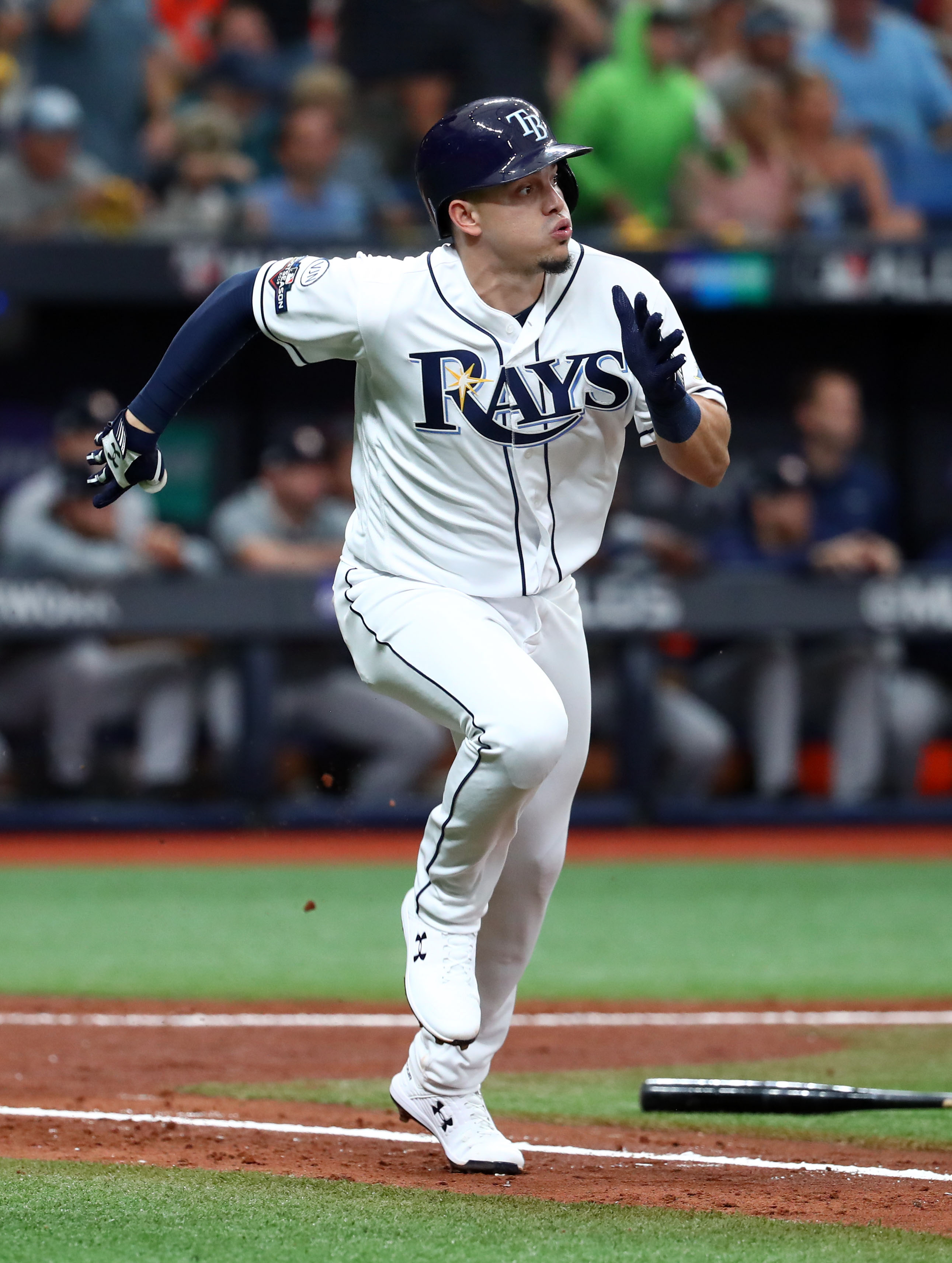
Adames, now 24, might not be an All-Star talent at shortstop, but some would argue that he still has that potential. He went from a lottery ticket to peaking at the No. 10 overall prospect in the game on Baseball America’s 2017 rankings, and he’s settled in as the Rays’ primary option at short. In 907 plate appearances to date, Adames has hit .263/.328/.414 with 30 home runs (plus a huge ALDS showing in 2019). He played quality defense in 2019 (12 Defensive Runs Saved, 4 Outs Above Average, 2.5 UZR/150) and has provided some value on the bases. The Rays are dreaming of the day when wunderkind Wander Franco overtakes him, but Adames should have value either at a different infield position or as a trade chip when that time comes. He’s controlled through the 2024 season and won’t be eligible for arbitration until after the 2021 campaign.
The 28-year-old Yarbrough has thrown a near-identical number of innings with the Rays (289) to Smyly’s 289 2/3, and his 4.03 ERA pretty closely mirrors Smyly’s work. But Yarbrough has posted that number at a more hitter-friendly time in the game — his 106 ERA+ and 92 FIP- both top Smyly’s 100 ERA+ and 103 FIP- with Tampa Bay — and has more club control remaining than Smyly did at that point. Last year’s 3.55 FIP, 7.4 K/9, 1.3 BB/9 and 43.8 percent grounder rate seem to suggest that Yarbrough is capable of holding down a spot in the rotation for the next few years.
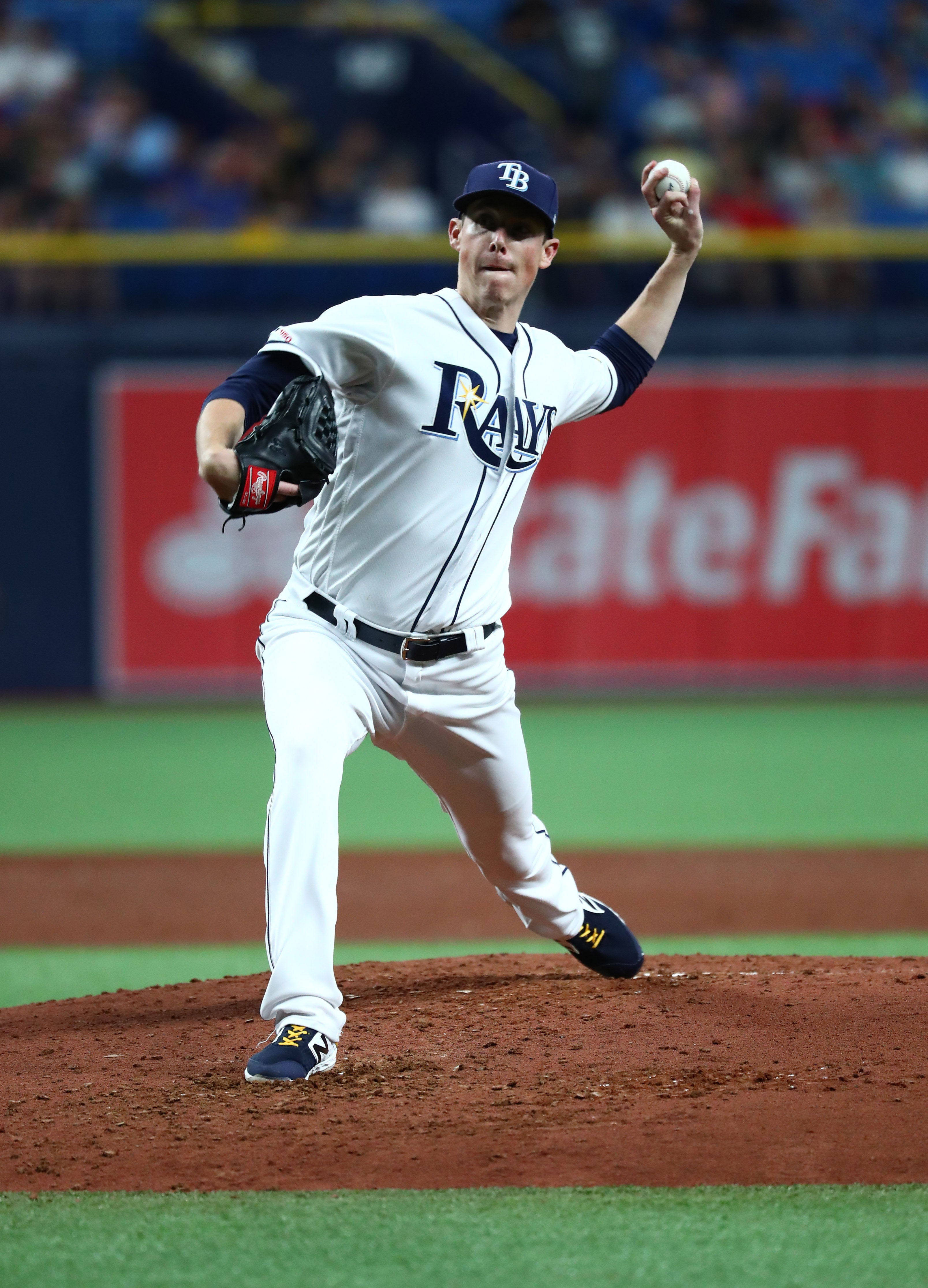
The Rays were reportedly set to move away from relying so heavily on openers, deploying a more traditional staff of Charlie Morton, Blake Snell, Tyler Glasnow, Yonny Chirinos and Yarbrough. Like Adames, Yarbrough is controllable through the 2024 season.
Nearly six years after trading the best pitcher in franchise history for what the club hoped would be a mid-rotation lefty and a potential shortstop who might move to another position, the Rays have… a pretty solid 28-year-old lefty and a quality young shortstop who may eventually move to another spot when their top prospect emerges in the Majors.
They took a roundabout path to this point, and the Rays should have done better in their return for Price in the first place. Price was a capital-A Ace with more than a year of team control remaining and was in the midst of a terrific year on the mound. But while the deal looked like a bust early on, the Rays are still left with some lingering pieces of value that could theoretically help carry the club past the 10-year anniversary of the day they moved Price — if they’re not traded before then.
The Angels Found A Dominant Reliever On Waivers
More than half the league passed on Hansel Robles after the Mets designated the right-hander for assignment and ran him through waivers back in 2018. Robles was sitting on an ERA north of 5.00 at the time, and he’d posted a 4.92 ERA in a full season a year prior in 2017. Few doubted Robles’ raw ability. He’d had a pair of solid years in 2015-16 and despite his 2017-18 struggles in Queens, he’d averaged close to 96 mph on his heater and posted 9.9 K/9 in his Mets career. However, Robles also averaged four walks and 1.4 homers per nine innings pitched with the Mets, and there were questions about his ability to ever take his game to the next level.
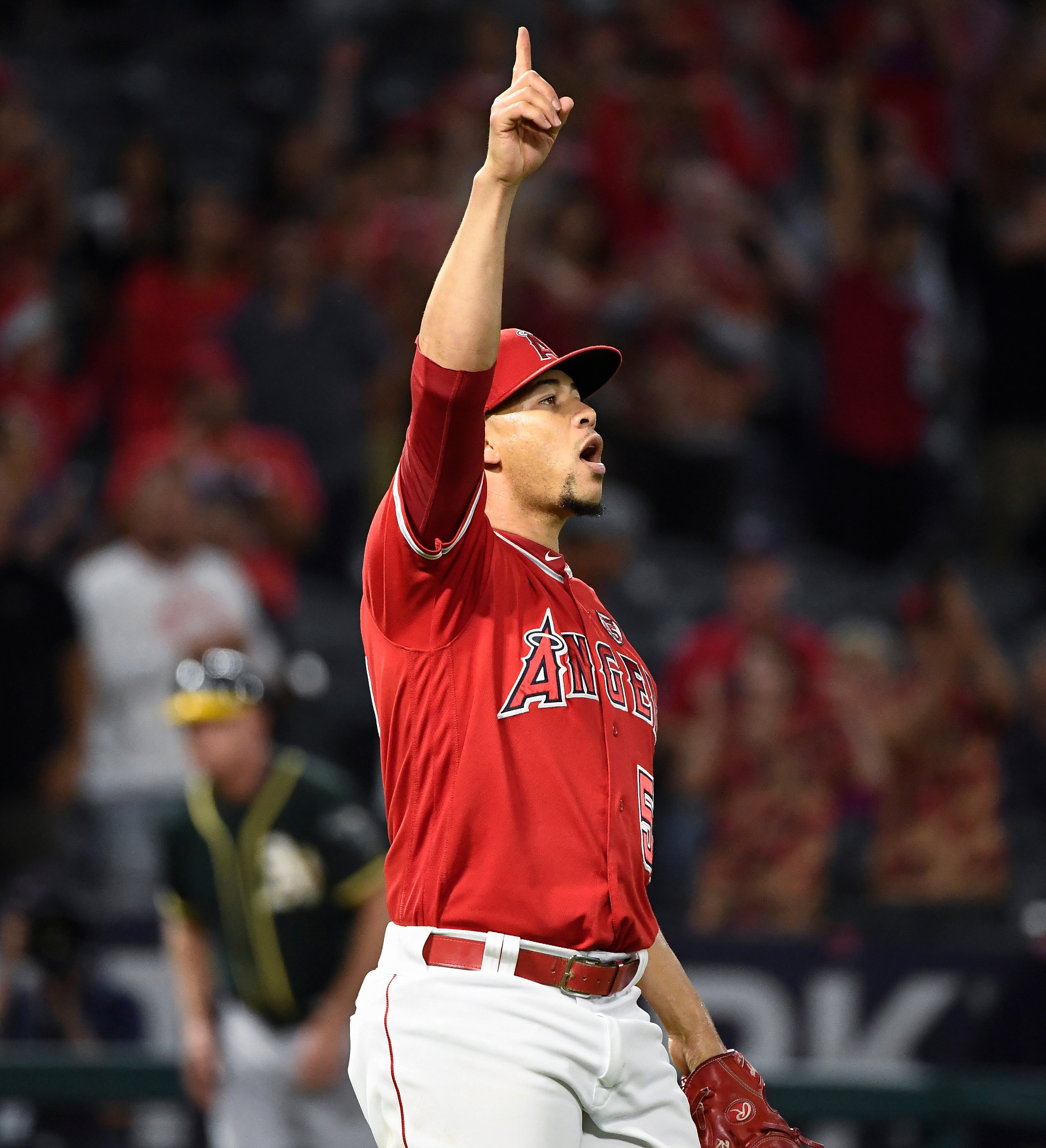
Right now, those questions look like a distant memory.
Since being claimed by the Angels, Robles has enjoyed the best run of his career. Over the life of 109 innings, he’s worked to a 2.64 ERA and 2.99 FIP with averages of 9.2 strikeouts, 2.6 walks and just 0.7 home runs allowed per nine innings pitched. In 2019, Robles led the Angels with 23 saves.
This past season, Robles not only saw his average fastball velocity spike to 97 mph — he also changed the manner in which he used it to attack hitters. Robles’ approach in his last full season with the Mets (2017) was to bust right-handed hitters in off the plate and to work them low and away. In 2019, he stopped focusing on working righties inside and instead ramped up his usage of four-seamers off the plate away and up in the zone/above the zone. He’s far from the only pitcher to begin to shift his focus to high four-seamers, but most pitchers can’t match Robles’ combination of fastball spin rate (85th percentile) and fastball velocity (96th percentile).
The most notable difference in the 2019 version of Robles, however, was his sudden reliance on a changeup he’d never tossed at even a four percent clip before. Robles had thrown a total of 115 changeups in his career prior to 2019. He threw 262 changeups last year alone. The pitch proved to be the most effective offering in his newly expanded arsenal and greatly improved his ability to handle left-handed hitters. Opponents posted a ridiculous-looking .169/.179/.215 batting line in plate appearances that ended with the pitch, which carried a hefty 19.5 percent swinging-strike rate.
Fueled by a his newfound comfort with the changeup, Robles held hitters to a .221/.263/.332 batting line on the whole last season. That translates to a .254 weighted on-base average (wOBA) that tied him for the 38th-best mark among the 631 pitchers who faced at least 50 hitters in 2019. That excellence wasn’t just a case of BABIP smoke and mirrors, either; Robles’ .280 average on balls in play last season fell right in line with his career .278 mark. Based on those K/BB numbers and the quality of contact he allowed (or rather, the lack thereof), Statcast pegged him for an expected wOBA of .269 that closely resembles his actual mark. He ranked in the 76th percentile or better in terms of expected batting average, slugging percentage and wOBA as well as hard-hit rate allowed.
This isn’t the first time that Robles has had success in the Majors. In 2015-16, he tossed 131 2/3 innings with a 3.55 ERA, seemingly beginning to solidify himself as a reliable bullpen cog. But Robles has never looked this good before, either. The onus will again fall on him now to maintain the promise he’s shown — something he wasn’t able to do after that encouraging two-year run. Perhaps the league will adjust to his new-look changeup after a full year’s worth of data. Injuries are always a risk, too, and relief pitching in general is a highly volatile part of the game.
Right now, however, the Angels look to have secured themselves a flat-out steal when they scooped Robles up 22 months ago. He’s controlled through the 2021 season, giving him time to either contribute to a revamped Angels roster featuring Anthony Rendon, a healthy Shohei Ohtani and rotation newcomers Dylan Bundy and Julio Teheran … or time to further build his stock as a trade chip, extension candidate or 2021-22 free agent.
Regardless of how the remainder of Robles’ Angels tenure plays out, you can bet that each of the Orioles, Royals, White Sox, Marlins, Reds, Rangers, Padres, Blue Jays, Twins, Rays, Tigers, Pirates, Giants, Rockies, Athletics, Cardinals and Dodgers would each like a mulligan on passing Robles over when he hit waivers in 2018.
Blue Jays Notes: 2015 ALDS, Borucki, Pearson, Ryu
In a piece that any Blue Jays fan will want to read, Sportsnet’s Shi Davidi chatted with right-hander Anthony Bass about what it was like to be on the other side of Toronto’s stunning ALDS comeback against the Rangers in 2015. Bass wasn’t on Texas’ ALDS roster, Davidi notes, but he was on hand as a member of the taxi squad and experienced the stunning defeat first-hand. Bass chronicles the manner in which tensions began to boil from Game 1 of the series all the way through the baffling (but within the rules) play that allowed Rougned Odor to score on a throw back to the pitcher and the three errors that set up Jose Bautista‘s iconic bat flip a half inning later. Bass called Bautista’s bomb “a dagger” and likened the Rangers’ clubhouse in the wake of that defeat to a morgue. Joining the Jays on a waiver claim nearly a half decade later didn’t conjure up any bad memories for Bass, who explained that he was simply “excited about how much the organization was happy to have me.” It’s an excellent first-hand look back at one of the most epic games in recent memory and a welcome diversion from our current baseball-free landscape.
Some more notes on the Jays…
- Although the Blue Jays shut down left-hander Ryan Borucki in Spring Training due to tightness in his left elbow, but manager Charlie Montoyo revealed today that Borucki is feeling “great” and hasn’t had any setbacks in working his way back from that hiccup (Twitter link via Sportsnet’s Ben Nicholson-Smith). The 26-year-old Borucki should be a candidate for the fifth spot in the rotation behind Hyun-Jin Ryu, Chase Anderson, Tanner Roark and Matt Shoemaker in a dramatically overhauled Jays rotation. Borucki broke into the Majors with 97 2/3 innings of 3.87 ERA/3.80 FIP ball in 2018, but elbow troubles limited him to just 6 2/3 innings last year.
- Of course, many Blue Jays fans are more curious about exactly when uber-prospect Nate Pearson will arrive in the Majors. General manager Ross Atkins touched on that subject a bit when stepping in as the host for Gregor Chisholm’s reader mailbag at the Toronto Star this week. Asked how the delayed season will impact Pearson, who was expected to be on an innings limit in 2020, Atkins explained that rather than stick to a rudimentary and “rigid” innings limit, the organization is more focused on “monitoring fatigue, workload, and effort” with all of their pitchers but perhaps particularly with Borucki and Shoemaker (who is returning from a torn ACL that cost him most of the 2019 season). Asked whether with hypothetical advance knowledge that the season would be up in the air, the Jays still would have still signed Ryu to a four-year pact, Atkins indicated that the signing was as much about 2021 and beyond as 2020 and doubted the Jays’ offseason plans would’ve radically altered. Other topics include the upcoming draft, Atkins’ own day-to-day routine during the shutdown and the ways in which his own approach to player development has evolved over the years.
Indians Provide Updates On 5 Injured Players
Prior to the leaguewide shutdown, the Indians faced questions about a number of key players, including Mike Clevinger (knee surgery), Carlos Carrasco (elbow inflammation), Emmanuel Clase (teres major strain), Oscar Mercado (wrist sprain) and Tyler Naquin (2018 ACL repair surgery). At this point, nearly all of them are up to speed, manager Terry Francona told reporters Thursday (link via Mandy Bell of MLB.com).
Clase, Francona explained, is a bit harder to track than the others because he lives in a fairly remote area of the Dominican Republic. The club is likely to send someone from its Dominican academy down to get a first-hand look in the near future. Clase has been throwing off flat ground — Indians Prospective tweeted some video footage — as he works back from an injury that was initially projected to sideline him for eight to 12 weeks. It’s been exactly seven weeks since that diagnosis, so it seems there’s a good chance that whenever play is able to resume, Clase will either be recovered or close to it.
Updates on the others were more generic but widely positive. Carrasco has been throwing regular bullpen sessions, recording them and sending video footage to Indians officials. Clevinger, Naquin and Mercado are all doing “great” or “fine.” That’s particularly encouraging with regard to Naquin, whose September surgery was projected to keep him out seven to nine months (into mid-April or mid-June). It seems that his recovery is on track for the shorter end of that timeline.
Carrasco, Clevinger and Mercado, in particular, will be vital pieces for Cleveland as they look to rise back to the top of the ranks in the AL Central. With Corey Kluber traded to Texas (in the deal that netted Clase), Carrasco and Clevinger will team with Shane Bieber atop a rotation that will otherwise rely on some intriguing but generally inexperienced young arms in the final two spots (e.g. Aaron Civale, Zach Plesac, Logan Allen, Scott Moss, Jefry Rodriguez).
Mercado, meanwhile, is perhaps the one constant in an Indians outfield mix that looks decidedly unsettled. He should play center on a regular basis, with some combination of Domingo Santana, Jordan Luplow, Franmil Reyes, Greg Allen, Delino DeShields Jr. (also acquired in the Kluber swap), Jake Bauers, Bradley Zimmer and Naquin filling in at the corners. Luplow’s dominance of left-handed pitchers should assure him at least the short side of a platoon, and Reyes might factor in more as a DH than a prominent piece of the outfield rotation. But it’s clear that opportunities for playing time in the corners will be relatively wide open.
Clase, presumably, is being treated as a potential high-end setup piece for Brad Hand. The right-hander made his MLB debut with Texas in 2019 and compiled a 2.31 ERA with a 21-to-6 K/BB ratio and a superlative 60.6 percent ground-ball rate in 23 1/3 innings while averaging 99.3 mph on his heater. Clase skipped Triple-A entirely, but the success he found in last year’s 21 MLB games provides little to no reason to send him back down.
Report: Owners Could Pursue Further Salary Reduction For Players If Season Begins Without Fans
As Major League Baseball ponders various scenarios in which the 2020 season could commence in empty parks without fans in attendance, Ken Rosenthal and Evan Drellich of The Athletic write that empty-stadium games could prompt ownership to ask that the players make further concessions in terms of their 2020 salary.
The two sides already reached an agreement on service time, player salaries and a broad framework for an abbreviated draft late last month. Within that agreement, players agreed to prorated salaries that are directly proportional to the reduction of total games played.
Rosenthal and Drellich suggest, however, that the league “made it clear to the union that economic adjustments would be necessary if games were played in empty parks,” while many on the players’ side of talks believe that the already standing agreement addressed games without fan and/or games at neutral sites. Unsurprisingly, agent Scott Boras ardently pointed to the preexisting “good faith agreement” regarding empty-stadium play while implying that seeking further reductions would be in violation of said good faith.
It seems rather perplexing that the players wouldn’t have pursued precise language expressly underscoring that even neutral-site games without fans in attendance should fall under the purview of the currently agreed-upon salary reduction parameters. That agreement, after all, was unanimously ratified by all 30 owners back on March 27. At that point, the idea of televising games without fans was already widely being speculated upon and surely being discussed by the league and MLBPA. Word of the potential “Arizona” plan trickled out not two weeks after that agreement had been settled.
The owners’ claim in all of this would undoubtedly be that addition of television revenue would not be enough to cover the cost of operations in conjunction with the elimination of gate revenue. Such claims wouldn’t be able to be proven with books closed to the public, but it’s easy to see all 30 owners aligning on that front whether or not the sentiment holds true in actuality.
At this point, all parties involved are flying blind for the most part, as there’s not yet any certainty regarding when or if play will resume, where games will take place or how many games could be played. There’s also been talk of expanding the postseason format, which would create additional revenue on all sides that wouldn’t otherwise exist. Without those details set in place, fiscal specifics are impossible to glean. All of those issues will factor into further negotiations — if it is indeed determined that the existing language leaves ownership ample latitude to pursue such reductions. It’s easy to imagine a contentious set of secondary negotiations eventually being necessary once the logistics can be more clearly defined, though.
At least as pertains to the 2020 season, commissioner Rob Manfred wields the ultimate hammer, as his position gives him the right to unilaterally suspend player contracts due to the declaration of a national emergency. While one would hope that negotiations wouldn’t get to that point, the threat of such extreme action could indeed be powerful leverage against the MLBPA.
All of this comes at a time when the current collective bargaining agreement is set to expire in December 2021. Advance collective bargaining talks were already reported to be in place well before the COVID-19 pandemic emerged. Any rising tensions that stem from further back-and-forth on more immediate issues figure to impact those CBA negotiations whenever they resume in earnest.
Why The Twins Could Trade A Slugger This Winter
While some clubs have struggled to find continuity in their outfield — the Cardinals, Padres and Blue Jays come to mind — the Twins have enjoyed a rather reliable trio in recent years. True, injuries to Byron Buxton have frequently held him out of the lineup, but the general expectation over the past three to four seasons has been that Buxton would be flanked by left fielder Eddie Rosario and right fielder Max Kepler. Since 2016, Rosario ranks fourth among MLB left fielders in innings. Kepler ranks seventh in right-field innings. Both would likely rank higher on those leaderboards were it not for occasional stints manning center field while Buxton mended from injuries.
And yet, as much of the team’s young core has been locked up on long-term deals — Kepler, Jorge Polanco and Miguel Sano are now all signed through at least 2023 — Rosario finds himself nearing free agency. The 27-year-old slugger agreed to a $7.75MM salary this winter and is controlled through 2021. There have reportedly been some talks between the two sides in recent years, but nothing has come together. Other key members of the Twins core remain unsigned (e.g. Buxton, Jose Berrios, Taylor Rogers) but are controlled an additional year beyond Rosario.
Moreover, the Twins now find themselves with a pair of corner prospects pushing for a spot in the big leagues sooner than later. Former first-round picks Alex Kirilloff (2016) and Trevor Larnach (2018) both rank comfortably among the game’s best overall prospects and both found success in Double-A in 2019. The former returned from a wrist injury to hit .283/.343/.413 (121 wRC+) through 411 plate appearances, while the latter hit .295/.387/.455 in 181 PAs — good for a 148 wRC+ that was an exact match for his mark through 361 PAs in Class-A Advanced.
Both Kirilloff (No. 9 overall on Keith Law’s prospect rankings at The Athletic) and Larnach (No. 45 at Baseball America) are 22-year-old corner outfielders with bats that have been deemed close to MLB-ready. Both would’ve likely advanced to Triple-A in 2020 had the season begun under normal circumstances, and it’d be reasonable to think that either could’ve made his MLB debut this year. Each notched an OPS north of 1.100 during brief Spring Training showings (30 PAs for Larnach, 22 for Kirilloff). Beyond that pairing, Brent Rooker posted a 139 wRC+ in Triple-A last year. He’s not as highly regarded and may be more of a first base or DH type in the long run, but Rooker’s been playing left field regularly since being drafted 35th overall in 2017.
It’s unlikely that any of those prospects would’ve been plugged directly into the Major League lineup to begin the season under any circumstance, but it’s nevertheless notable that Rosario’s name crept up in trade rumblings this winter. Had a deal come together, the Twins could’ve added a one-year stopgap, turned to Marwin Gonzalez as a primary outfielder and/or given Jake Cave an opportunity to establish himself. As it turned out, retaining Rosario only left the club with enhanced depth.
At some point in the near future, the Twins will have to ask whether they’re better off paying Rosario another raise in arbitration — though it remains to be seen how much of an increase he’ll get over his current salary next time — or whether some combination of Kirilloff, Larnach, Cave and Rooker can provide similar or greater value at a fraction of the price. Minnesota only has $55.5MM on the 2021 books as of this writing, so it’s not as if payroll is an immediate issue, but Rosario’s game isn’t without its flaws, either.
A former high-end prospect himself, Rosario has never demonstrated much plate discipline, but his swing-happy tendencies revved up to new levels last year. Jeff McNeil was the only qualified hitter in the Majors last year who swung at a higher percentage of pitches than Rosario’s 59.1 (although he didn’t chase out of the zone nearly as much as Rosario and had a markedly better contact rate on pitches in the zone). On top of that, only three qualified hitters chased balls out of the zone more than Rosario.
To his credit, Rosario has greatly improved his bat-to-ball skills, cutting his strikeout rate from 25.7 percent in 2016 to 14.6 percent in 2019. But Rosario’s penchant for swinging at pitches out of the zone leads to far more weak contact than one would expect from a player who hit 32 home runs in 2019. His 89.1 mph average exit velocity ranked 123rd of 250 qualified hitters, per Statcast, and his 36 percent hard-hit rate ranked 166th in that same grouping. Despite his clear power, Rosario hasn’t ranked higher than the 34th percentile of big league hitters in terms of hard-hit rate in any of the past four seasons. His expected weighted on-base average (xwOBA) has hovered around league average or a bit below.
This isn’t intended as a piece meant to disparage Rosario, who has proven himself to be a useful corner outfielder. He’s averaged 27.6 homers over the past three seasons, ranks seventh in the Majors in outfield assists in that time and, with the exception of a 2019 season during which he played through a notable ankle injury, he’s graded out as a reliable and at times well-above-average defender.
A rangy left fielder with a strong arm, consistently solid batting averages and 25- to 30-homer pop is a fine player — even if he comes with some on-base deficiencies. But when corner outfield options are typically plentiful in free agency and there are a pair of top-tier prospects looming in the upper minors, it’s easy to see the front office debating Rosario’s future. Rosario isn’t going to fetch a top-of-the-rotation arm in a trade given his rising price, questionable OBP and waning club control, but the Twins will still surely ponder whether their resources can be better allotted elsewhere soon — if they haven’t already.
Some may argue that Buxton or even Kepler are the better pieces for the Twins to consider moving from the current outfield group. But Buxton’s 80-grade glove and speed are harder to replace, and he’s controlled an additional year while currently earning less than half of Rosario’s salary. In terms of ceiling, he’s the highest of the bunch even in spite of his frequent injuries. Kepler’s extension, meanwhile, allows the Twins to control him for another five years and $38MM — the final season of which is a $10MM club option.
The alternative, of course, is to eventually look to package some of the aforementioned young talent to address other areas of need — likely high-end rotation help. The Twins’ offseason quest to bolster the starting staff ended up with more quantity-over-quality outcome than many expected, as the club missed on its top targets and instead pivoted to a surprising four-year deal with Josh Donaldson. Part of the reason they weren’t able to add an impact starter was the simple fact that virtually none were available in trade, but that could change down the road.
With three former top 40 picks thriving in the upper minors, two of them top 100 picks, and a long-entrenched mix of quality regulars at the MLB level, it seems inevitable that Minnesota’s outfield depth will undergo some form of reshaping in the near future. (None of this even mentions 2017 No. 1 overall pick Royce Lewis — a shortstop who some feel is destined to end up in center field instead.) Of course, this is the type of logjam that rebuilding clubs look forward to eventually trying to manage, and it serves as a reminder that despite their current lack of prototypical “ace,” the Twins are well-positioned for another run of competitive years in the American League Central.
2020-21 MLB Free Agent Class: Third Basemen
In recent days, we’ve run through the most notable catchers, second basemen, shortstops, and first basemen who are slated to reach the free-agent market once the winter rolls around in several months. We’ll continue our breakdown of the upcoming crop of free agents with a look at the third baseman who, barring extensions, will be freely available for clubs to sign. Players making the jump from professional leagues in Asia and others who are non-tendered will quite likely add to this list, but here’s how things are expected to look as of today…
Top of the Class

- Justin Turner: He’ll play the 2021 season at 36, but Turner remains an elite hitter who perhaps doesn’t get the credit he deserves because he’s surrounded by so many strong hitters. But over the past three seasons, Turner has raked at a .307/.397/.519 clip with 62 dingers in 1518 plate appearances — including a .290/.372/.509 mark in 2019. Turner has been at least 20 percent better than a league-average hitter each season since 2013, and while he’s not the defensive powerhouse he once was, Statcast still credited him with 4 Outs Above Average at the hot corner. Defensive Runs Saved (-3) and Ultimate Zone Rating (-6.7) were more bearish, but it’s unlikely that any team would consider him a major liability at the position. It’s also worth remembering that Turner was dogged by hamstring and ankle issues in 2019 even though he avoided an IL stint, so better health could lead to better ratings. Even if he’s an average or below-average glove at third base at this point, his offensive excellence is inarguable. Under normal circumstances he’d be a surefire qualifying offer candidate, but we don’t yet know how the shortened (or canceled) season will impact those decisions.
Other Potential Regulars
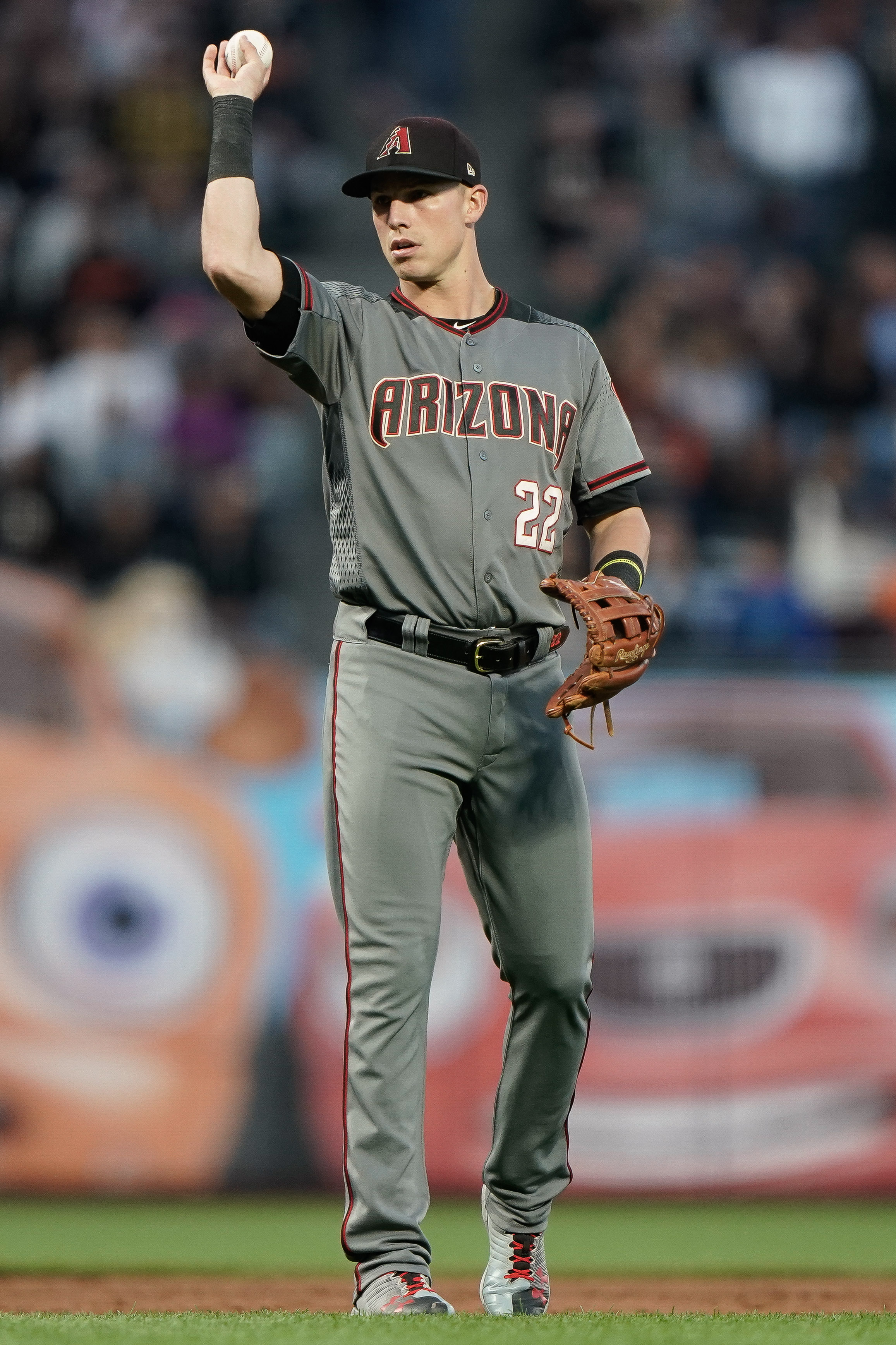
- Jake Lamb: Shoulder surgery torpedoed Lamb’s 2018 season, and he was hobbled by a quadriceps injury that cost him nearly half the season in 2019. However, Lamb clubbed 59 homers for the D-backs as their primary third baseman in 2016-17. He’ll be heading into his age-30 season when he hits the open market and won’t see much in the way of competition in terms of prime-aged third base candidates. His struggles against left-handed pitching make it tempting to label him platoon player — he’s a career .169/.275/.319 hitter against southpaws — but Lamb still has only 440 career PAs against lefties. His .259/.345/.468 line against right-handed opponents, meanwhile, is solid. And his 130 wRC+ against righties in that aforementioned two-year peak shows how good can be when he’s at his best.
- Asdrubal Cabrera: A late Herculean surge with the Nationals (145 wRC+ in 146 plate appearances) salvaged what was shaping up to be a dismal campaign for the veteran switch-hitter. No one is expecting that level of production, but Cabrera could be an average or slightly better bat with third-base defense that graded out well per both Defensive Runs Saved and Outs Above Average. He’ll be 35 by the time the 2021 campaign gets underway, so perhaps some teams will view him as a part-time option. Cabrera has tallied at least 514 plate appearances in each of the past nine seasons, though.
Second Basemen with Experience at Third Base
- DJ LeMahieu: It was no surprise to anyone that LeMahieu topped our list of next year’s second basemen after a monster Bronx debut season, but might another team in need of help at the hot corner consider playing him there? The Yankees trotted LeMahieu out for an even 400 innings of defense at third base — the first time in nearly five years that he’d slotted in there. Despite having tallied just 245 innings there previously, the results were solid (break-even in terms of Defensive Runs Saved and Ultimate Zone Rating; +2 Outs Above Average), which could create some optimism among his suitors. Sterling glovework at second base has long been one of the most compelling aspects (if not the most compelling aspect) of LeMahieu’s game, so some may be wary of moving him off the position. But if he’s able to recreate his 2019 thunder at the plate, then he’ll be providing ample value even if he’s not playing plus defense.
- Tommy La Stella: It’s perhaps easy to forget about La Stella’s budding breakout that was interrupted when he fractured his leg upon fouling a ball into his shin. But prior to that grisly, tough-luck injury, La Stella was mashing like never before: .295/.346/.486. Through 321 plate appearances, the former Cubs utilityman had swatted more dingers (16) than he had in his entire career (10 through 947 PAs in 2014-18). Like LeMahieu, La Stella has been primarily a second baseman but saw sparing action at the hot corner in ’19 (234 innings). La Stella has virtually even platoon splits in his career, though, and a team convinced of his ability to handle third base could look at him as a low-cost option. If nothing else, a familiar multi-position role with some occasional reps at third seems eminently reasonable.
Part-Time Veterans
- Adeiny Hechavarria: The defensive standout has never been much of a threat at the plate, but he’s a highly regarded defender at shortstop who has considerable experience at third base. He’s a nice utility option.
- Eric Sogard: Like Hechavarria, Sogard has more limited experience at third base but a solid defensive reputation at the middle infield spots. His surprising power output with the Blue Jays tapered off following a trade to the Rays, but the affable Sogard is popular among fans and teammates alike and should be considered a useful utility player.
- Brad Miller: The versatile Miller is something of a “jack of all trades, master of none,” but his 2019 campaign was a productive — albeit in a tiny sample of 170 plate appearances. He’s struggled to produce at a consistent level, but Miller keeps landing big league gigs as a bench piece.
- Zack Cozart: Injuries have decimated the former Reds All-Star over the past few years. The Angels traded away their 2019 first-round pick (Will Wilson) to rid themselves of the final season of Cozart’s deal. He hasn’t been a productive player since 2017, but he was worth five wins above replacement back in 2017.
- Jed Lowrie: The switch-hitting veteran has more than 1000 innings of experience at the hot corner, but he’s a total wild card after missing nearly the entire 2019 season. Even before the MLB shutdown, Lowrie was expected to miss Opening Day, and the Mets had no timetable for his return.
Club Options to Watch
- Both Todd Frazier ($5.75MM club option, $1.5MM buyout) and Jedd Gyorko ($4.5MM club option, $1MM buyout) have been infield regulars for much of their careers and have ample experience at third base (almost exclusively so in Frazier’s case). But both options are so affordable that there’s virtually no way either would hit free agency if he performed well enough to be considered a regular option at third base (or any other position). If either player’s option is bought out, it’s unlikely a new team would consider him for an everyday role in 2021.
Red Sox Provide Updates On Injured Players
Red Sox manager Ron Roenicke and pitching coach Dave Bush held a conference call with reporters Tuesday, providing updates on a trio of injured Sox players (all Twitter links via NESN’s Guerin Austin and MassLive.com’s Chris Cotillo).
Perhaps most notably, Roenicke explained that right fielder Alex Verdugo has been swinging a bat, throwing and running as he rehabs a stress fracture in his lower back. Moving his workouts away from the Red Sox’ spring facility following its shutdown has made it more difficult for the club to closely monitor the 23-year-old’s progress, and Verdugo hasn’t yet been able to undergo an MRI to ascertain that his injury has completely healed. However, the Sox remain hopeful that if play is able to resume this year, Verdugo would be ready to participate fully. The centerpiece in Boston’s return for Mookie Betts and David Price, Verdugo slashed .294/.342/.475 with a dozen homers, 22 doubles and a pair of triples in 377 plate appearances with the Dodgers last year.
[Related: What happens to the Mookie Betts trade if the season is canceled?]
As for right-hander Collin McHugh, he’s moving more slowly through the early stages of a strengthening program. McHugh underwent a nonsurgical elbow procedure over the winter after finishing the 2019 season on the injured list and has been brought along slowly. The Sox aren’t rushing him through anything with the season in limbo at the moment, and Roenicke indicated that the 32-year-old righty, who signed a one-year deal with Boston in early March, still has quite a ways to go in his rehab. Boston’s final couple of rotation spots remain fairly unsettled — Ryan Weber is the likely fourth starter, and there’s no set fifth starter — although given where McHugh is in his rehab, perhaps he’s better viewed as a potential bullpen piece.
Regarding former franchise cornerstone Dustin Pedroia, it doesn’t seem that the shutdown has provided any new optimism that he could make a return. While he’s still under contract through the 2021 season, Pedroia’s 2020 status has been up in the air since he suffered a “significant” setback in his recovery from repeated left knee troubles that have necessitated a trio of surgeries. He’s played in just nine games over the past two seasons thanks to his increasingly problematic knee, and Roenicke was rather blunt in casting doubt on a potential return for the 36-year-old: “He’s still not a point where he’s thinking about trying to be ready to come back and join us.”
More Than A Decade Of Mike Rizzo Trades
Expectations weren’t all that lofty when Mike Rizzo took over D.C. baseball operations back in 2009. It’s safe to say he has exceeded them. His first roster matched the ’08 outfit with a brutal 59-win effort. That ramped to 69-93 and then 80-81 in the ensuing two seasons. The Nats broke out in 2012 and haven’t had a losing campaign since. There has been quite a lot of drama over the years, but the D.C. organization finally broke through a postseason curse with a stunning run to a title in 2019.
Rizzo’s history on the trade market includes some duds, but also quite a few slam dunks. He’s still not under contract beyond the 2020 season, though the expectation remains that he’ll end up working out another extension to remain at the helm.
2009 Season
- Acquired RHP Logan Kensing from the Marlins for RHP Kyle Gunderson
- Acquired 1B/OF Mike Morse from the Mariners for OF Ryan Langerhans
- Acquired LHP Sean Burnett and OF Nyjer Morgan from the Pirates for OF Lastings Milledge and RHP Joel Hanrahan
- Acquired LHP Aaron Johnson from the Marlins for 1B Nick Johnson
- Acquired RHPs Ryan Mattheus and Robinson Fabian from the Rockies for LHP Joe Beimel
- Acquired OFs Daryle Ward and Norris Hopper from the White Sox for cash
- Acquired RHP Luis Garcia and a PTBNL (LHP Victor Garante) from the Dodgers for INF Ronnie Belliard
- Acquired C Jamie Burke from the Mariners for cash
2009-10 Offseason
- Acquired RHP Brian Bruney from the Yankees in exchange for Rule 5 pick Jamie Hoffman
2010 Season
- Acquired C Wilson Ramos and LHP Joe Testa from the Twins for RHP Matt Capps
- Acquired RHPs Tanner Roark & Ryan Tatusko from the Rangers for INF Cristian Guzman
- Acquired SS Brian Bixler from the Pirates for cash
2010-11 Offseason
- Acquired RHP Henry Rodriguez and OF Corey Brown from the Athletics for OF Josh Willingham
- Acquired LHP Tom Gorzelanny from the Cubs for RHP A.J. Morris, LHP Graham Hicks and OF Michael Burgess
- Acquired RHP Adam Olbrychowski from the Yankees for OF Justin Maxwell
- Acquired INF/OF Cutter Dykstra and cash from the Brewers for OF Nyjer Morgan
- Acquired RHP Erik Davis and cash from the Padres in exchange for INF Alberto Gonzalez
2011 Season
- Acquired OF Gregor Blanco from the Royals for cash
- Acquired OF Jonny Gomes and cash from the Reds for OF Bill Rhinehart and LHP Chris Manno
- Acquired SS Zach Walters from the Diamondbacks for RHP Jason Marquis
- Acquired OF Erik Komatsu from the Brewers for INF/OF Jerry Hairston Jr.
2011-12 Offseason
- Acquired RHP Ryan Perry from the Tigers for RHP Collin Balester
- Acquired LHP Gio Gonzalez and RHP Robert Gilliam from the Athletics for RHPs A.J. Cole and Brad Peacock, C Derek Norris and LHP Tommy Milone
2012 Season
- Acquired C Kurt Suzuki and cash from the Athletics for C David Freitas
2012-13 Offseason
- Acquired OF Denard Span from the Twins for RHP Alex Meyer
- Acquired RHPs A.J. Cole and Blake Treinen and LHP Ian Krol from the Athletics in a three-team deal that sent 1B/OF Mike Morse from the Nats to the Mariners and C John Jaso from the Mariners to the Athletics
2013 Season
- Acquired RHP Ian Dickson from the Cubs for RHP Henry Rodriguez
- Acquired OF Scott Hairston from the Cubs for RHP Ivan Pineyro
- Acquired OF David DeJesus from the Cubs for cash
- Acquired LHP Matthew Spann from the Rays for OF David DeJesus
- Acquired RHP Dakota Bacus from the Athletics for C Kurt Suzuki
2013-14 Offseason
- Acquired OF John Wooten from the Athletics for LHP Fernando Abad
- Acquired RHP Doug Fister from the Tigers for LHP Robbie Ray, INF Steve Lombardozzi and LHP Ian Krol
- Acquired LHP Jerry Blevins from the Athletics for OF Billy Burns
- Acquired C Jose Lobaton, LHP Felipe Vazquez and OF Drew Vettleson from the Rays for RHP Nate Karns
- Acquired INF Brandon Laird from the Royals for cash
2014 Season
- Acquired 2B/SS Asdrubal Cabrera from the Indians for SS Zach Walters
- Acquired LHP Matt Thornton from Yankees for cash
2014-15 Offseason
- Acquired RHP Abel De Los Santos and INF Chris Bostick from the Rangers for LHP Ross Detwiler
- Acquired SS Trea Turner (as a PTBNL) and RHP Joe Ross from the Padres in three-team deal that sent OF Steven Souza Jr. and LHP Travis Ott to the Rays
- Acquired INF Yunel Escobar from the Athletics for RHP Tyler Clippard
- Acquired C Dan Butler from the Red Sox for LHP Daniel Rosenbaum
- Acquired OF Matt den Dekker from the Mets for LHP Jerry Blevins
2015 Season
- Acquired OF Darin Mastroianni from the Phillies for cash
- Acquired RHP David Carpenter from the Yankees for INF Tony Renda
- Acquired RHP Jonathan Papelbon from the Phillies for RHP Nick Pivetta
2015-16 Offseason
- Acquired RHPs Trevor Gott and Michael Brady from the Angels for INF Yunel Escobar and cash
- Acquired OF Ben Revere from the Blue Jays for RHP Drew Storen
2016 Season
- Acquired LHP Marc Rzepczynski from the Athletics for INF Max Shrock
- Acquired C Taylor Gushue from the Pirates for SS Chris Bostick
- Acquired RHP Mark Melancon from the Pirates for LHPs Felipe Vazquez and Taylor Hearn
2016-17 Offseason
- Acquired RHP Jimmy Cordero from the Phillies for a PTBNL (RHP Mario Sanchez)
- Acquired C Derek Norris from the Padres for RHP Pedro Avila
- Acquired OF Adam Eaton from the White Sox for RHPs Lucas Giolito, Reynaldo Lopez and Dane Dunning
- Acquired RHPs Austin L. Adams and Kyle McGowin from the Angels for 2B/SS Danny Espinosa
- Acquired LHP Enny Romero from the Rays for RHP Jeffrey Rosa
- Acquired OF Ryan Raburn from the White Sox for cash
2017 Season
- Acquired LHP Sean Doolittle and RHP Ryan Madson from the Athletics for RHP Blake Treinen, LHP Jesus Luzardo and 2B Sheldon Neuse
- Acquired INF Howie Kendrick and cash from the Phillies for LHP McKenzie Mills and international bonus pool space
- Acquired RHP Brandon Kintzler from the Twins in exchange for LHP Tyler Watson and $500K of international bonus pool space
2017-18 Offseason
- Acquired INF Matt Reynolds from the Mets for cash
2018 Season
- Acquired RHP Kelvin Herrera from the Royals for 3B Kelvin Gutierrez, OF Blake Perkins and RHP Yohanse Morel
- Acquired RHP Jacob Condra-Bogan from the Royals for OF Brian Goodwin
- Acquired RHP Jhon Romero from the Cubs for RHP Brandon Kintzler
- Acquired INF Andruw Monasterio from the Cubs for 2B Daniel Murphy and cash
- Acquired RHP Andrew Istler from the Dodgers for Ryan Madson
- Acquired C/1B KJ Harrison and INF Gilbert Lara from the Brewers in exchange for LHP Gio Gonzalez and $250K of international bonus pool space
2018-19 Offseason
- Acquired RHP Kyle Barraclough from the Marlins for $1MM of international bonus pool space
- Acquired C Yan Gomes from the Indians for RHP Jefry Rodriguez, OF Daniel Johnson and a PTBNL (INF Andruw Monasterio)
- Acquired RHP Tanner Rainey from the Reds for RHP Tanner Roark
2019 Season
- Acquired LHP Nick Wells from the Mariners for RHP Austin L. Adams
- Acquired RHP Daniel Hudson from the Blue Jays for RHP Kyle Johnston
- Acquired LHP Roenis Elias from the Mariners for LHP Taylor Guilbeau and RHP Elvis Alvarado
- Acquired RHP Hunter Strickland from the Mariners for LHP Aaron Fletcher
2019-20 Offseason
- Acquired RHP Ryne Harper from the Twins in exchange for RHP Hunter McMahon
—
With that exhausting exercise out of the way — it’s time for MLBTR readers to weigh in! What grade does the president of baseball operations of the reigning World Champs get for his trading efforts? (Link to poll for Trade Rumors mobile app users.)
Grade Mike Rizzo's trades as Nationals GM:
-
B 50% (1,605)
-
A 27% (887)
-
C 18% (585)
-
D 3% (99)
-
F 2% (62)
Total votes: 3,238
Curious to look back on additional GMs and their trade histories?
We’ve already polled on Diamondbacks GM Mike Hazen, recently fired Astros president Jeff Luhnow, Brewers president of baseball ops David Stearns, Angels GM Billy Eppler, Rockies GM Jeff Bridich, Tigers GM Al Avila, Braves GM Alex Anthopoulos, Blue Jays GM Ross Atkins, Mariners GM Jerry Dipoto, Phillies GM Matt Klentak, Padres GM A.J. Preller, Dodgers president of baseball operations Andrew Friedman, Rays GM Erik Neander, ex-Red Sox front office leader Dave Dombrowski, Mets GM Brodie Van Wagenen, Reds GM Dick Williams, Orioles GM Mike Elias, former Diamondbacks GM Dave Stewart, and Giants president of baseball operations Farhan Zaidi.
Dusting Off The MLBTR Mailbag
It’s been awhile since we’ve asked readers to submit questions for the MLBTR Mailbag. How long? The last mailbag column we did focused on whether the Mets should tender a contract to Matt Harvey for final arb year. The prior mailbag post fielded questions on Diamondbacks slugger J.D. Martinez‘s earning power in free agency and how the Orioles might be better off trading cornerstones like Zack Britton, Manny Machado and Adam Jones than pursuing free-agent rotation upgrades.
Ok — so maybe it’s been more than “awhile.”
Given the lack of news and current uncertain state of the 2020 season, it seems like a reasonable time to open up the floor to some reader questions. Of course, no one knows when or even whether a season will be played this year, so there’s no way to speak with any certainty about the timeline of a return to the sport’s normalcy. But readers who have been wondering about rosters, future classes of free agents, potential trades (whenever the transaction freeze is lifted), extension candidates, etc. — let us know what’s on your mind! Alternatively, if you have a particular topic/subject you’d like to see explored or a new series you’d like to see unfold here at MLBTR, feel free to make a suggestion.
You can submit your questions via email (mlbtrmailbag@gmail.com), via Twitter or just in the comments of this post.