
Astros Sign Charlie Morton
The Astros announced that they’ve signed right-hander Charlie Morton to a two-year contract. The 33-year-old Jet Sports client will receive a $14MM guarantee with up to $5MM worth of incentives, per Ken Rosenthal of FOX Sports (Twitter links). He’ll earn a $625K bonus for reaching 15, 20, 25 and 30 starts in each year of the contract. SB Nation’s Chris Cotillo adds (via Twitter) that the guaranteed portion of the deal is evenly distributed, meaning Morton will earn $7MM in 2017 and in 2018.
[Related: Updated Houston Astros Depth Chart; Updated Houston Astros Payroll]
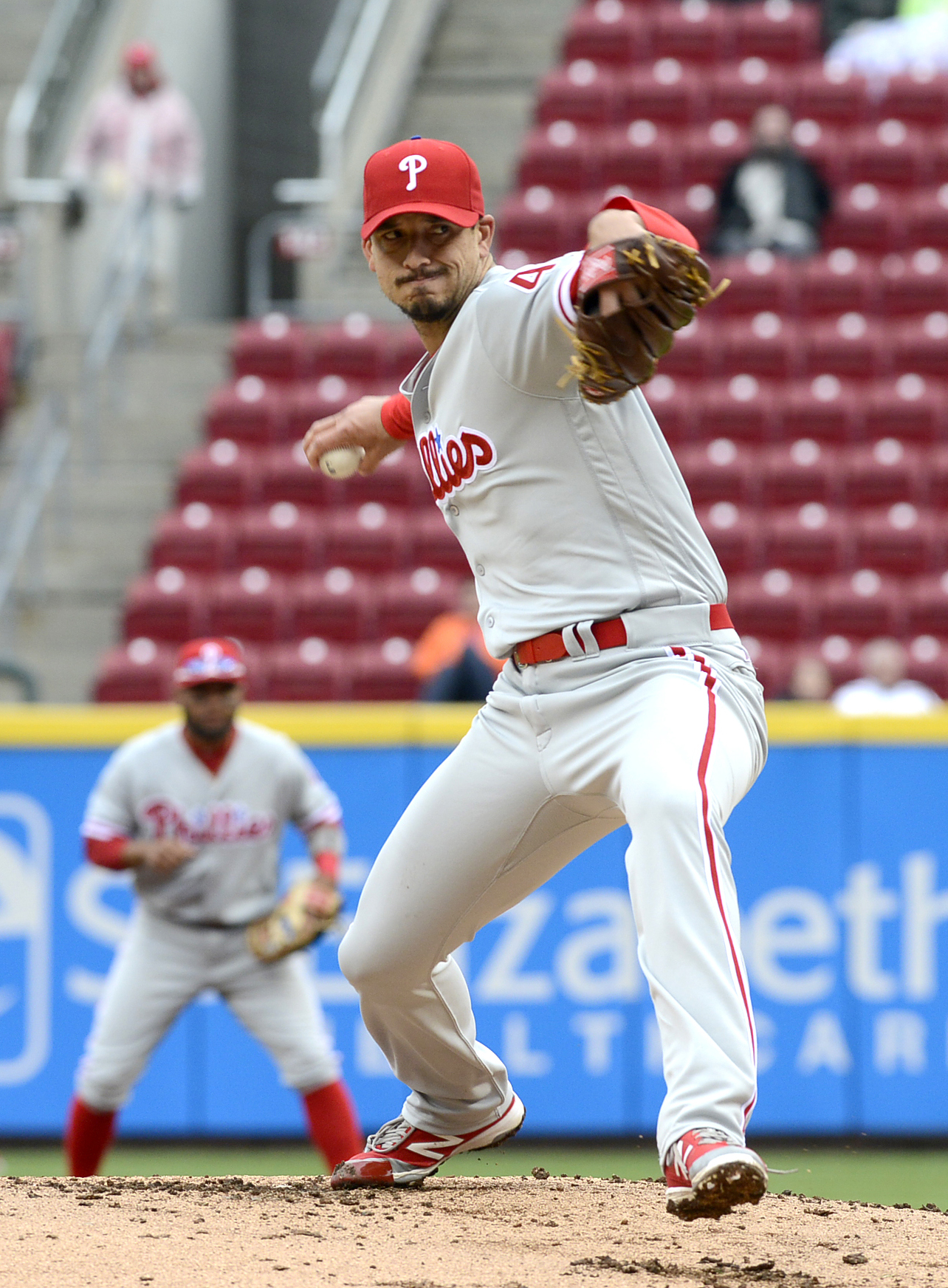
Morton has spent the bulk of his career with the Pirates but spent the 2016 season in the Phillies organization after being acquired in a trade last winter. However, Morton suffered a torn hamstring after just four starts in Philadelphia and ultimately required season-ending surgery to repair the injury, leaving him with a total of just 17 1/3 innings pitched in 2016. His contract with the Phils contained a $9.5MM mutual option, but that was bought out by the team, allowing Morton to hit the open market in search of a new deal.
When at his best, Morton is a ground-ball specialist that demonstrates solid control. He has a career 4.54 ERA in 893 Major League innings, though that mark reflects some considerable struggles he had early in his career. From 2011-15, Morton pitched to a more respectable 3.96 ERA with 6.4 K/9, 3.2 BB/9, 0.6 HR/9 and a robust 58.2 percent ground-ball rate. And when healthy in 2016, he looked to have made some intriguing gains in terms of fastball velocity, as his two-seamer jumped from an average of 91.8 mph to 93.3 mph, per PITCHf/x data. MLB.com’s Mike Petriello also notes (on Twitter) that the spin rate on Morton’s curveball ranked in the top five in all of baseball among pitchers that threw at least 50 hooks. Houston is known to be drawn to players with lofty spin rates — a trait that led them to take a chance on Collin McHugh prior to his 2014 breakout.
Morton’s penchant for grounders and strong results against right-handed opponents should play well in Houston, where right-handed bats can feast on the short porch down the left field line. In that aforementioned stretch from 2011-15, Morton held right-handed opponents to a feeble .234/.296/.336 line, though left-handed bats did knock him around at a .298/.397/.433 clip. Even against lefties, though, he’s exceptionally stingy in terms of giving up the long ball.
Durability has been an issue for Morton, who in addition to last year’s hamstring operation has had Tommy John surgery (2012) and surgery to repair a hip injury (2014). Morton has never made more than 29 starts in a season and has topped 150 innings just twice in the Majors, with 2011’s 171 2/3 frames representing a career-high. That said, with a mere $7MM annual commitment, Morton needn’t be a workhorse to justify his salary.
Morton should slot into the back of the rotation in Houston, filling the void left by the departure of fellow free agent Doug Fister. He’ll be joined there by Dallas Keuchel, who will look to rebound from a highly disappointing followup to his 2015 Cy Young campaign. Houston also has right-handers McHugh, Lance McCullers, Joe Musgrove and Mike Fiers as rotation options, giving them the depth to either move a starter in a trade or give Musgrove some additional work in Triple-A (although he certainly pitched well enough in 2016 to justify a further look at the big league level). Alternatively, the club could simply deploy Fiers, who struggled a bit in 2016, as more of a spot starter and swingman to add some length in the bullpen and serve as valuable depth to a rotation that saw both Keuchel and McCullers miss significant time due to injury this past season.
Adding Morton to a rotation that already includes Keuchel gives the Astros two of the game’s most prolific ground-ball pitchers as well as a third potential ground-ball savant in the form of McCullers (57.3 percent in 2016). McHugh, Musgrove and Fiers all profile more as fly-ball arms, though Fiers did experience a significant uptick in his ground-ball rate in his first full season with Houston last year, jumping from 37.6 percent in 2015 to a career-high 42.2 percent in 2016.
Photo courtesy of USA Today Sports Images.
Giants Have Held Trade Talks With Tigers On J.D. Martinez
9:21am: The discussions were held during the GM Meetings and “have yet to advance beyond [the] initial stage,” Morosi adds on Twitter.
8:27am: The Giants and Tigers have discussed the possibility of a swap that would send power-hitting outfielder J.D. Martinez out west, according to Jon Morosi of MLB Network (via Twitter). Detroit has been said to be willing to consider deals involving all its veteran assets, so news of the discussions is hardly surprising. As things stand, there’s no reason to believe there’s any particular momentum toward a transaction.
Entering his final year of team control, Martinez is a clear trade candidate, particularly since the Tigers have made clear they won’t pursue an extension with him. Martinez is owed $11.75MM this year as part of the two-year contract he signed last winter to buy out his remaining arbitration years. Though Detroit is looking to trim salary in the long run, that doesn’t mean it couldn’t keep him for one more run. But the reasonable salary and short commitment also make Martinez a highly appealing trade chip, which the Tigers could use to boost their efforts to develop a younger and more cost-efficient roster.
Martinez has turned himself into one of the game’s premier power hitters since joining the Tigers as a minor league free agent just before the 2014 season. Since that time, he owns a .299/.357/.540 slash line and has hit 83 home runs in 1,654 plate appearances. Though Martinez missed time last year after suffering a freak elbow fracture, he returned as good as ever. While metrics liked his glovework in right field in 2015, they were way down on him last season, and Martinez has never rated well on the basepaths. Despite those questions, the bat does plenty to carry his value, and Martinez only just turned 29.
Martinez has batted a combined .299/.357/.540 over the past three years and averaged 34 homers per 162 games played along the way. He missed nearly two months of the 2016 season with a fracture in his elbow but was improbably even better after his time on the DL, slashing .332/.392/.553 with 10 homers over his final 232 plate appearances (albeit with the help of an unsustainable .418 BABIP).
The fit with the Giants makes a good bit of sense on paper — at least, that is, if San Francisco is willing to cough up enough of interest to get something done. Certainly, the need is there, as the club has an opening in left field and surely wouldn’t mind filling it with another big bat. With several significant long-term contracts on the books, though, and the possibility of a second Madison Bumgarner extension on the horizon, there would seem to be appeal in a one-year obligation.
Parting with young talent always hurts, but there are countervailing considerations at play here. Dealing for Martinez would deliver a team exclusive negotiating rights with him until he reaches free agency, so there’s always the possibility of striking a lengthier accord at a more appealing price than could be found on the open market. And then there’s the fact that he’d be an obvious qualifying offer candidate next winter, which would open the door to draft compensation, although ongoing collective bargaining talks inject some uncertainty into that consideration.
Neil Walker To Accept Qualifying Offer
Second baseman Neil Walker will accept the Mets’ qualifying offer for the 2017 season, reports Joel Sherman of the New York Post (via Twitter). Walker is now under control for 2017 at the set rate of $17.2MM and cannot be traded next year until June 15 without his consent.
Though that locks in Walker’s salary for the coming season, he and the Mets are still exploring mutual interest in a lengthier pact, according to Marc Carig of Newsday (via Twitter). It was reported over the weekend that the sides had yet to engage in “substantive” chats about a long-term arrangement, but it seems that could still be explored over the winter and spring to come.
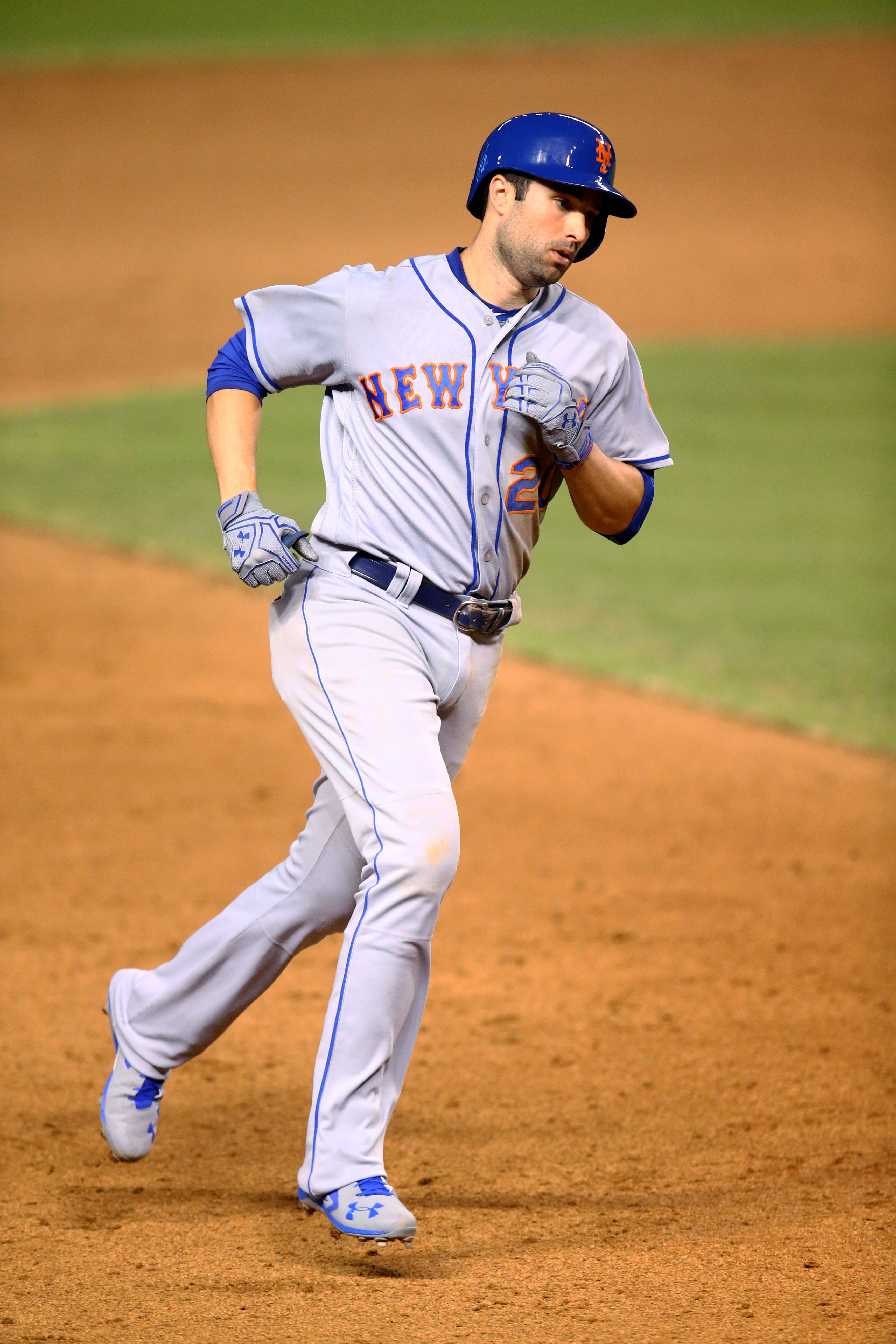
By taking the one-year payday, Walker joins Jeremy Hellickson of the Phillies in declining an opportunity to test the open market in preference of the security of the QO cash already on the table. Of course, both players had a chance to speak with other organizations before making their decisions, so they had at least a strong idea of the interest elsewhere.
Both unquestionably would have done better as true free agents, but entering the market after rejecting a qualifying offer would have required any signing team to part with a valued draft choice to add them. Even with the draft compensation attached, MLBTR’s Tim Dierkes predicted Walker to land three years at a $36MM guarantee. But there aren’t a lot of big spenders in search of a second baseman, and numerous intriguing trade targets also cloud the market, so there was a fair bit of risk involved.
Right up until the point that Walker’s season ended with back surgery, he had seemed a near-certain bet both to receive and reject a qualifying offer. But that situation halted his year and added some uncertainty, which may well have played into the decision. Indeed, it was not even clear that the Mets would issue the offer, though Walker seemed to progress well and is expected to be a full go for 2017.
The 31-year-old switch-hitter fit in well in New York, where he spent the 2016 season after being acquired from the Pirates as the replacement for the departing Daniel Murphy (who rejected a QO from New York this time last year). Over 458 plate appearances, he slashed a robust .282/.347/.476 with 23 home runs. That tied his career-best output in the long ball department despite the fact that he only played in 113 games.
For the Mets, it’s a good outcome. The team would have faced some uncertainty at second base without Walker, and might have been ended up taking on a longer-term commitment or giving up assets to strike a trade. He’ll play nearly everyday, though the right-handed-hitting Wilmer Flores (or another utility player) could spell him at times against left-handed pitching.
[RELATED: Updated Mets Depth Chart]
That being said, Walker raked against southpaws in 2016 despite historically faring much better against right-handed pitching. He also made strides with the glove, at least in the eyes of defensive metrics. Walker frequently received rather poor marks, but last year UZR graded him as a high-quality fielder and DRS rated him as average. If he can keep up those trends, he’ll likely represent a strong value for the Mets once again in 2017.
Photo courtesy of USA Today Sports Images.
Jeremy Hellickson Accepts Qualifying Offer
2:40pm: Hellickson tells MLB.com’s Todd Zolecki that he was leaning toward declining the qualifying offer but changed his mind after multiple teams expressed reluctance to part with a draft pick when speaking to Boras (Twitter link).
1:11pm: Right-hander Jeremy Hellickson has accepted the one-year qualifying offer and will return to the Phillies for the 2017 season a $17.2MM salary, reports Jon Heyman of FanRag Sports (Twitter link). Hellickson, a client of the Boras Corporation, will become the fourth player to ever accept a QO, joining outfielder Colby Rasmus, left-hander Brett Anderson and catcher Matt Wieters — each of whom accepted a $15.8MM qualifying offer last winter.
[Related: Updated Philadelphia Phillies Depth Chart]
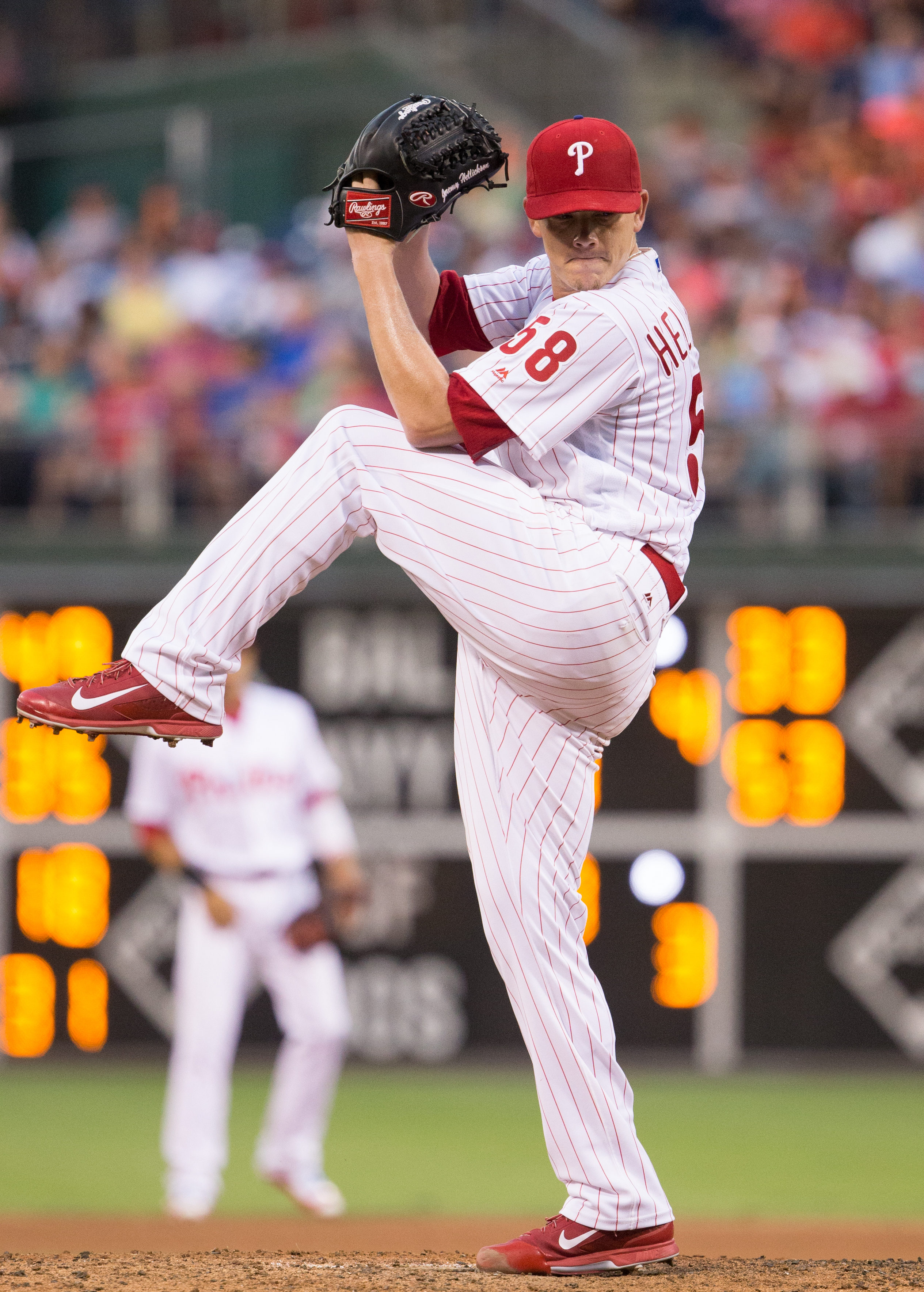
The news on Hellickson comes as somewhat of a surprise, given the dismal market for starting pitching. The 29-year-old Hellickson (30 next April) looked to be one of a select few arms that could be expected to deliver a quality season’s worth of innings in 2017 and, as such, was one of the few rotation options projected to receive a multi-year deal in free agency. However, Hellickson and his representatives have had the past week to survey the free-agent market while weighing the decision to accept Philadelphia’s offer, and clearly his camp wasn’t comfortable enough with his potential earning power to forgo a one-year deal at $17.2MM. That sum actually exceeds Hellickson’s career earnings to date, so his reluctance to pass on it is understandable from that point of view. He’ll now look to repeat was a strong 2016 season in the Phillies’ rotation and enter the open market next winter in advance of his age-31 season. If he’s able to do so, he could find himself in position for an even more lucrative deal, as he’d be coming off a two-year platform of quality work as opposed to the rebound campaign he enjoyed with the Phils this past year.
Acquired from the D-backs last winter in what amounted to be a salary dump, Hellickson tossed 189 innings of 3.71 ERA ball for the Phillies this year, averaging 7.3 K/9 and 2.1 BB/9 to go along with a 40.7 percent ground-ball rate. That represented a continuation of a strong second half in 2015, giving Hellickson a 3.74 ERA with 7.3 K/9 and 2.3 BB/9 over his past 240 1/3 innings at the big league level. If he’s able to continue on at that pace in 2017, he should have no issues finding a sizable multi-year deal next winter, and there’s reason to believe that he could do so without needing to burden himself with a qualifying offer. The collective bargaining agreement is being renegotiated as we speak, and the flawed QO system is one of the main subjects of the newest wave of collective bargaining talks. Some reports have suggested that the new CBA will prevent players from being eligible for a QO in consecutive years, while other speculation has centered around eliminating the QO system altogether.
The long-term financial outcome for Hellickson remains to be seen, but his short-term prospects are set in stone at this point. After accepting the QO, he cannot be traded until June 15 of next season without his consent, so he’ll return to a Phillies rotation that’ll also include Aaron Nola, Vince Velasquez and Jerad Eickhoff. Philadelphia has a number of young arms that can compete for the final spot in that rotation, including right-handers Zach Eflin, Jake Thompson, Alec Asher and Ben Lively. That group should give manager Pete Mackanin a solid starting mix in 2017, so the challenge for GM Matt Klentak, president Andy MacPhail and the rest of the Phillies’ front office will be to improve a lineup that was one of the worst, if not the worst in all of baseball last season. The Phils have already added one veteran bat to the mix in the form of Howie Kendrick, and they’ll presumably look to add some more respectable pieces to help round out a lineup that will be centered around Odubel Herrera and a hopefully improved Maikel Franco in 2017.
The Phillies will not receive the compensatory draft pick they likely expected to acquire when issuing Hellickson the QO in the first place, although having a capable arm back in their rotation on a one-year deal isn’t a disastrous outcome, even if it comes at somewhat of an overpay. Philadelphia, after all, has virtually no money committed to its long-term books, as Hellickson will join Kendrick ($10MM), recently acquired right-hander Pat Neshek ($6.5MM) and injured lefty Matt Harrison ($13.25MM plus a $2MM buyout of his 2018 option) as the only guaranteed contracts on next year’s roster. That, plus a modest projection of $12.8MM to four arbitration-eligible players (which could dip if Cody Asche and/or Jeanmar Gomez is non-tendered) brings them to a current Opening Day payroll projection of just $77.7MM (including pre-arb players). For a team that has previously spent as much as $177.7MM on its Opening Day payroll, the addition of Hellickson at $17.2MM is hardly a financial burden.
Taking a step back, the removal of Hellickson from the free-agent market takes an already terrible crop of starters and thins it even further. Rich Hill, Ivan Nova and Jason Hammel are the top three starters available this winter, and teams in need of other arms will be left with few options. Those teams could turn to bounce-back candidates like Andrew Cashner, Edinson Volquez, Jake Peavy, Jorge De La Rosa and Doug Fister or look to get creative by signing someone such as Travis Wood and converting him back into a starter or pursuing international arms like Korea’s Kwang-hyun Kim, Hyeon-jong Yang and Woo-chan Cha.
Otherwise, the trade market will be the most obvious method for teams to add to their respective rotations, though the lack of viable alternatives that are available through other means should place an abnormally high premium on rotation help. That was always going to be the case anyway; Hellickson’s subtraction from the free-agent class doesn’t create a shortage of pitching, but it certainly creates even more scarcity and should force one more team to get creative in seeking a starter, as he’ll now be returning to a team that didn’t otherwise seem like a plausible fit for him on a multi-year deal.
Photo courtesy of USA Today Sports Images.
Mariners Acquire Danny Valencia From Athletics
The Mariners have acquired Danny Valencia from the Athletics, Yahoo! Sports’ Jeff Passan tweets. In exchange, Oakland will receive righty Paul Blackburn, tweets MLB.com’s Greg Johns.
[Related: Updated Seattle Mariners Depth Chart]
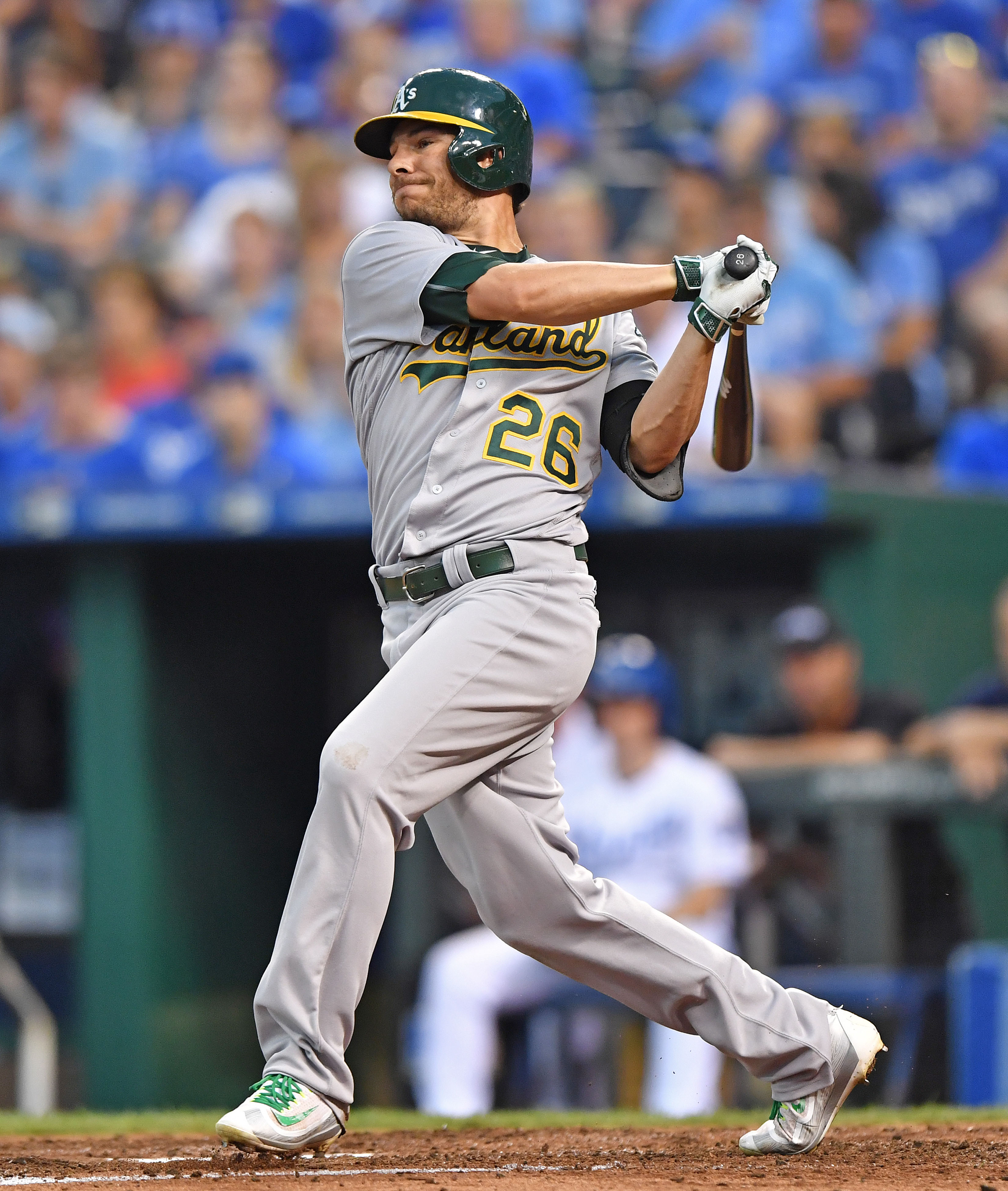 The 32-year-old Valencia has hit well in each of the past two seasons, most recently posting a .287/.346/.446 line in 517 plate appearances with Oakland in 2016. He also logged substantial playing time at three positions (third base, first base and right field), giving him a bit of defensive versatility. He graded poorly at third, though, and got in a clubhouse altercation with Billy Butler that resulted in Butler heading to the 7-day concussion DL.
Butler was released soon after, and although the Athletics said Butler’s release was unrelated to the clubhouse fight, it seemed by season’s end that the A’s were looking to move on from Valencia. Youngster Ryon Healy received the bulk of the Athletics’ available playing time down the stretch at third base. It already looked possible the A’s could look outfield help this winter, and now it looks even more likely that they will.
Valencia has one more year of club control remaining before he’s eligible for free agency, and we project he’ll make $5.3MM next season. The Mariners obviously have a good third baseman in Kyle Seager, but Valencia could be a factor at first base and/or in the outfield. At first, his right-handed bat might pair well with that of lefty Dan Vogelbach.
The 22-year-old Blackburn, who arrived with Vogelbach in the Mike Montgomery deal in July, ranked as the Mariners’ 18th-best prospect, according to MLB.com. The Cubs made him the 56th overall pick in the draft in 2012. He throws sinkers in the low 90s and has what MLB.com describes as solid secondary stuff and a good feel for pitching, so perhaps he could profile as a back-of-the-rotation type in the big leagues. He produced a 3.27 ERA, 6.2 K/9 and 2.2 BB/9 in 143 Double-A innings in 2016.
Photo courtesy of USA Today Sports Images.
Blue Jays Sign Lourdes Gurriel Jr. To Seven-Year Deal
SATURDAY: The Jays have officially announced the deal.
FRIDAY: The Blue Jays have agreed to a multi-year contract with Cuban infield prospect Lourdes Gurriel Jr., reports MLB.com’s Jesse Sanchez (via Twitter). Gurriel, the younger brother of Astros infielder Yulieski Gurriel, is considered one of the top available international prospects and will receive a seven-year, $22MM contract from the Jays, according to Joel Sherman of the New York Post (Twitter link).
That $22MM figure may seem like a relative bargain given Gurriel’s upside, but it’s worth noting that many Major League contracts of this nature allow the player in question to opt into arbitration once he is eligible (e.g. Jose Abreu, Yasiel Puig, Aroldis Chapman, Raisel Iglesias). It’s not clear if Gurriel obtained that right, but if he did, then the $22MM serves as a floor for what he’ll earn over the life of this deal, but he’d ultimately have the potential to earn quite a bit more when all is said and done.
Gurriel, a Wasserman client, was declared a free agent several months ago but waited to sign until after the completion of his 23rd birthday in order to be exempt from international spending limitations. Unlike his older brother, he’ll require some more time in the minor leagues before surfacing at the big league level. Gurriel is a career .277/.362/.426 hitter in Cuba and slashed an outstanding .344/.407/.560 in 245 plate appearances in his final season in Cuba — the 2015-16 campaign.
About 60 to 70 scouts representing more than 20 teams turned out at a showcase for Gurriel last month, during which he worked out at both shortstop and center field (though he’s also capable of playing second base and third base as well). He ran a 6.65 in the 60-yard dash and drew positive reviews on his physique and strong arm, though some scouts felt he needed more work against live pitching. Baseball America’s Ben Badler has penned scouting reports on Gurriel in the past (subscription required and recommended), giving praise to his bat speed, quality approach at the plate and strike zone management skills. Per Badler, Gurriel could eventually emerge as a high-OBP player with enough pop to hit 20-plus homers in a season.
Exactly where Gurriel fits into the Jays’ long-term plans remains to be seen. The Jays have shortstop Troy Tulowitzki, second baseman Devon Travis and center fielder Kevin Pillar all under club control through 2020, though Gurriel could eventually crack into the Majors in the corner outfield or in a super-utility role, spelling all three of the aforementioned players while also serving as an insurance policy for the injury-prone Tulowitzki and Travis.
Angels To Sign Jesse Chavez
The Angels have struck a one-year, $5.75MM deal with righty Jesse Chavez, according to ESPN.com’s Jerry Crasnick (Twitter link). He’ll also have a chance to earn up to $2.5MM in incentives. It’s an escalating scale based on the number of games started, per Jeff Passan of Yahoo Sports (via Twitter).
Los Angeles added Chavez with intentions of utilizing him as a starter, Crasnick notes. He’ll join an increasingly crowded group of rotation candidates, though several will enter the year with a variety of questions.
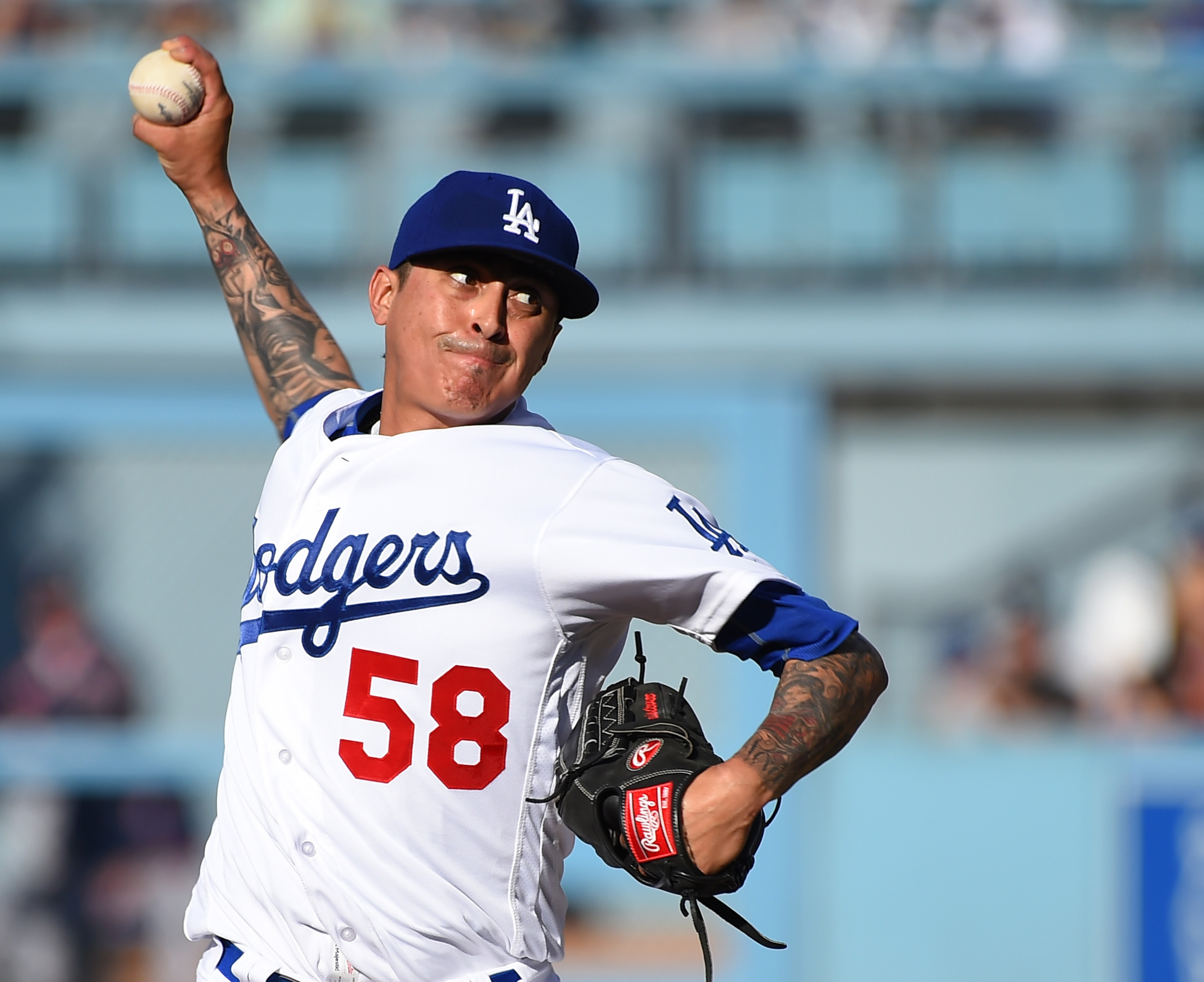
Halos GM Billy Eppler recently noted that he’d be in the hunt for another starting candidate to go with a group led by Garrett Richards, Matt Shoemaker, Tyler Skaggs, and Ricky Nolasco. While the club also intends to try J.C. Ramirez as a starter, and could also hand the ball to Alex Meyer or a few other internal options, there was enough uncertainty to warrant an addition.
[RELATED: Updated Angels Depth Chart]
In particular, Richards and Skaggs carry notable ongoing injury question marks. There was at least some reason to believe that the Angels might target a more significant addition — MLBTR’s Tim Dierkes suggested them as a landing spot for Ivan Nova — but it seems that the club will instead stake a less-committing bet on Chavez. His addition likely takes the team out of the market for Nova and others, including departing free agent Jered Weaver.
The 33-year-old Chavez isn’t a particularly exciting addition, and didn’t even make a single start in 2016, but he’s a solid pitcher who’ll help shore up the staff — and could always move to the pen if things break right with other pitchers. With the Blue Jays and Dodgers last year, he threw 67 total innings with 8.5 K/9 and 2.4 BB/9 to go with a 42.9% groundball rate.
Those measures are all fairly typical for Chavez, who was a bit more susceptible to the long ball last year (15.4% HR/FB, 1.61 HR/9) but otherwise largely repeated his prior seasons. Of course, he had been utilized primarily as a starter in the two preceding campaigns with the Athletics. Over 2013-14, he compiled a 3.59 ERA in 203 1/3 innings, though ERA estimators suggested he was more of an upper-3.00 range pitcher.
When working exclusively from the pen, Chavez managed to increase his average fastball velocity to 92.7 mph, a level he hadn’t reached in several years. But he’s not reliant on a big heater anyway; Chavez utilizes three varieties of the fastball (four-seam, two-seam, cutter) as well a change and two relatively little-used breaking pitches.
Chavez is one of several early-offseason acquisitions for the Halos, none of which have come with lengthy commitments. Los Angeles already re-signed Andrew Bailey to its pen and dealt for Cameron Maybin to fill an outfield spot. Various opportunistic moves can’t be ruled out, but it seems that the remaining priority at this point is to find a regular second baseman.
Photo courtesy of USA Today Sports Images.
Phillies Acquire Howie Kendrick
The Phillies have acquired infielder/outfielder Howie Kendrick from the Dodgers, per a club announcement. First baseman Darin Ruf and second baseman/outfielder Darnell Sweeney will head to Los Angeles in return.
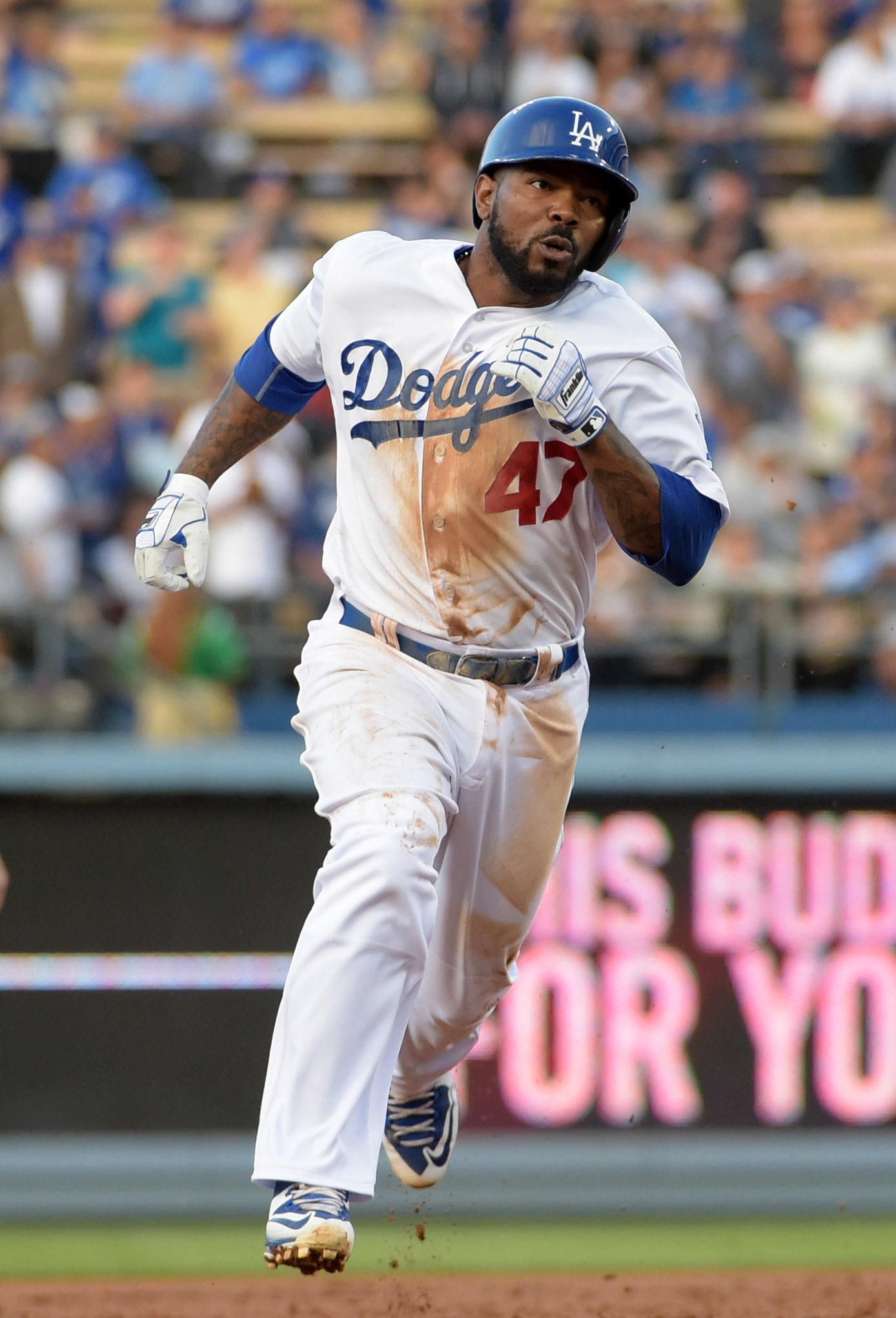
Still, adding the veteran would seem to make it somewhat more likely that the Phils would feel comfortable parting with Cesar Hernandez, the incumbent at second. Hernandez, 26, added on-base ability to his speed and defense in 2016 for a surprisingly excellent campaign. With three years of control remaining, he is a rather appealing potential trade piece — not least of which since he has also spent time at short and center. Jim Salisbury of CSNPhilly.com reports that Hernandez drew strong interest at the GM Meetings, and while Kendrick may not currently be slated to step right in to replace him, it remains plausible that the Phillies could look to cash him in at some point over the coming months.
[RELATED: Updated Phillies & Dodgers Depth Charts]
Regardless of precisely how he fits, Kendrick will provide the Phillies with just the kind of veteran presence they entered the offseason in search of. And he’ll do so without requiring a multi-year commitment. If all goes well, he’ll bounce back after an uncharacteristically poor season at the plate. Kendrick ended with a .255/.326/.366 batting line, with eight home runs and ten steals, over 543 plate appearances. That was easily the worst full-season effort of his career.
If Kendrick can regain his form, he’ll help the team improve its level of play and may even turn into a trade or (perhaps less likely) qualifying offer candidate. There is some reason for hope. He maintained a strong 33.8% hard-hit rate even as his typically high BABIP dipped to .301 — easily a career-low. And Kendrick managed to boost his walk rate to a career-best 9.2% while maintaining his characteristically palatable strikeout numbers (his 17.7% K rate last year landed just north of his 17.2% career rate).
For the Dodgers, the swap was more about clearing payroll and roster space — particularly after Kendrick expressed disappointment with his usage. Now, the team’s needs in the corner outfield, and at second and third base, are all the more pronounced. Already a lefty-leaning club with the bats, Los Angeles seems primed to pursue right-handed hitting in more than one area this winter. But while the return wasn’t the driving force here, there’s reason to believe it could deliver some function, especially for the always-clever Los Angeles front office.
Ruf, 30, is perhaps likeliest to make an impact. He had a short and forgettable MLB stint last year, but raked at Triple-A and owns a .299/.379/.542 lifetime slash against left-handed pitching. True, the right-handed hitter has been sub-par without the platoon advantage, and contributes nothing on the bases or in the field (though he can play some first and, at least in limited doses, the corner outfield). He’s also out of options. But the Dodgers have a number of flexible assets and may like the idea of allowing Ruf to spell Adrian Gonzalez at first base and function as a right-handed bench bat — or, at least, giving him the chance to unseat Scott Van Slyke in such a role in camp.
Sweeney, too, has some potential uses. The 25-year-old switch-hitter, who originally came to Philadelphia from Los Angeles in the Chase Utley deal, is capable of playing all over. He didn’t hit much in a brief MLB debut in 2016, and struggled last year at Triple-A. But he has shown better at times in the past, even flashing double-digit home run power and real stolen base potential in several separate seasons, and it wouldn’t be all that surprising if he found his way onto the Dodgers’ roster at some point. Doing so would mean adding him back to the 40-man, as he had been outrighted by the Phils, but that too increases his appeal at this stage since he won’t occupy a roster spot upon his arrival.
Photo courtesy of USA Today Sports Images.
Brewers Announce Three-Year Extension For Craig Counsell
11:55am: The Brewers announced that Counsell has been extended through the 2020 season
10:08am: The Brewers have scheduled a press conference with general manager David Stearns and manager Craig Counsell for noon CT today, and MLB.com’s Adam McCalvy reports that they’re expected to announce an extension for Counsell, whose current contract runs through the end of the 2017 season. An extension of yet-unreported length will spare Counsell the uncertainty of the “lame duck” tag and constant speculation about his job security in 2017 if the rebuilding Brewers get off to a poor start or finish the season with another losing record.
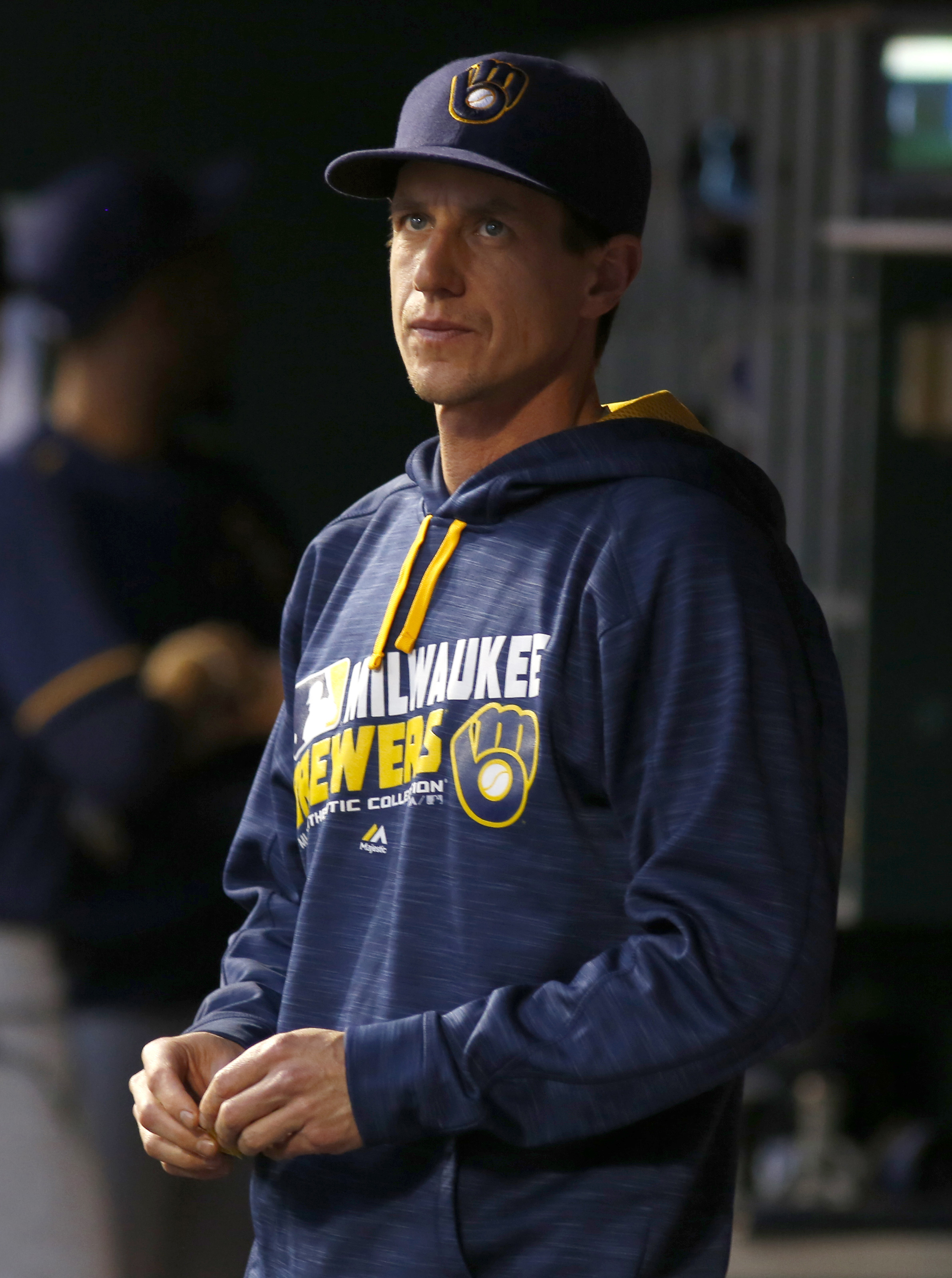
As McCalvy notes, Stearns offered heavy praise for Counsell at season’s end, praising the “positive culture” and “top to bottom” chemistry that Counsell has helped to develop throughout the organization. “There’s the in-game part of [managing],” said Stearns of his skipper, “which gets the most attention, because that’s the part that is what we all see, and what Craig has to answer about. An even bigger part of it is what goes on behind closed doors, when he’s managing the clubhouse, managing different personalities. This is a big family thrown together for eight months out of the year, and Craig and the coaches have the responsibility of keeping that family together. That’s not an easy job.”
Counsell took over as the Brewers’ manager in May 2015 when Milwuakee dismissed Ron Roenicke, signing a three-year deal that was set to run through next season. The Brewers are just 135-169 under his guidance, though Counsell can hardly be blamed for the team’s record in his nearly two full seasons of managing. The former big league infielder inherited an enormously flawed roster in 2015 and skippered a club that spent the bulk of the 2015-16 offseason tearing down its roster and rebuilding under a new general manager (Stearns).
Clearly, though, the organization feels that he’s excelled in his role within the clubhouse and while establishing a rapport with the front office. Having previously worked in a front office capacity himself, Counsell understands the importance of that component of the job and explained as much in a Q&A with Fangraphs’ David Laurila shortly before Stearns was hired in 2015:
“Understanding people’s perspectives… a great thing about working in the front office was that it gave me a different perspective. You see the game differently. When you’re in the forest every day, you always don’t see it. There is emotion in the dugout and in the clubhouse. You need to use emotion – you try to use it in a good way – but I understand why it can sometimes make decision-making difficult. That’s where the perspective of your front office can help you at times. That outlook is valuable, and as a manager you need to recognize it.”
Via McCalvy’s piece, the entire Brewers coaching staff was also invited back for the 2017 season, so the team’s younger players such as Orlando Arcia, Jonathan Villar, Keon Broxton, Zach Davies and Chase Anderson will have some continuity as they look to further work back toward contention in a stacked NL Central division.
Photo courtesy of USA Today Sports Images.
Braves Sign R.A. Dickey
The Braves have announced a one-year deal with free agent righty R.A. Dickey. The contract comes with a $8MM guarantee, per Jon Heyman of Fan Rag (via Twitter). That includes a $500K buyout of a 2018 option, which the team can exercise for $8MM.
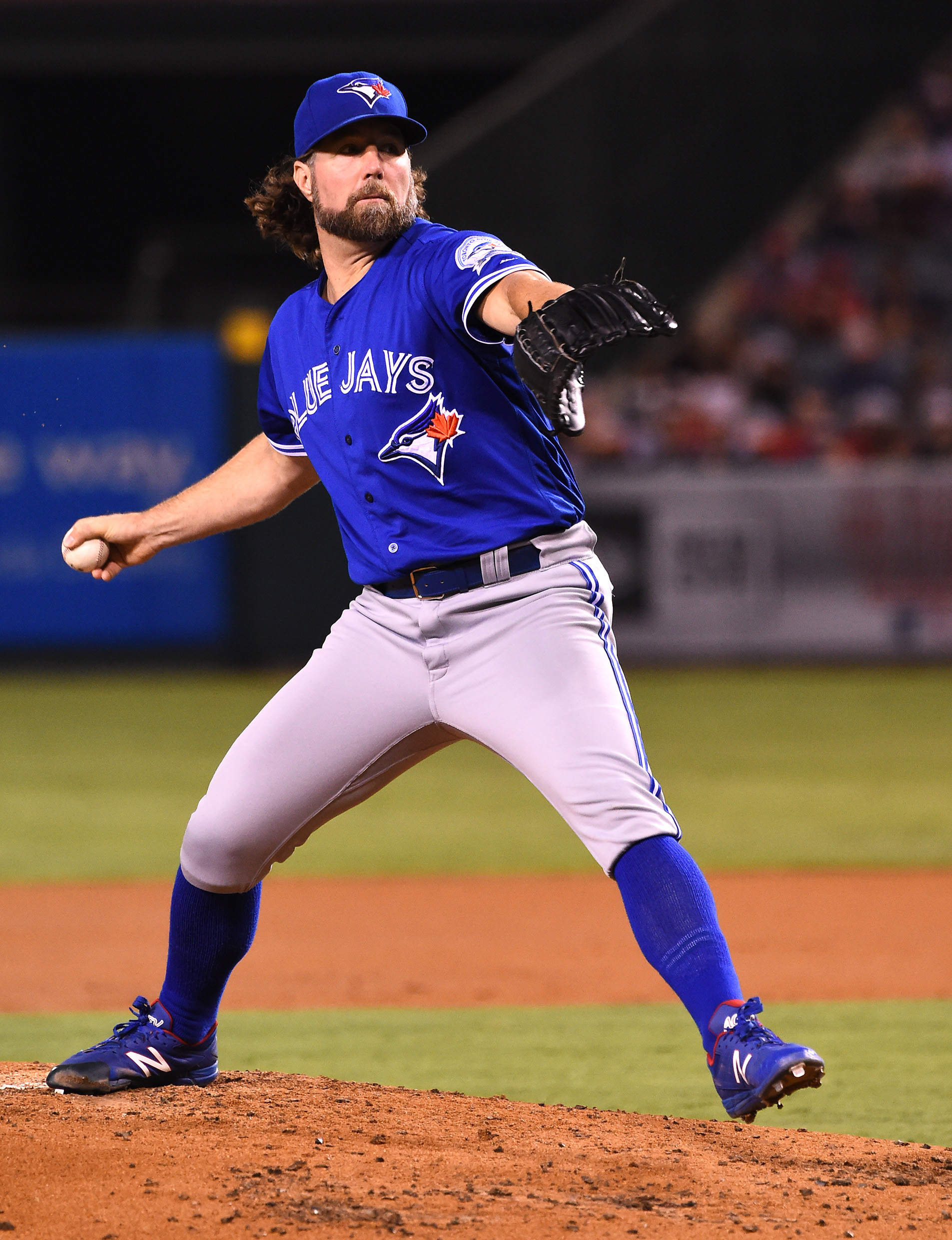
Atlanta has long been said to be seeking multiple starters this winter, with the team interested in top-quality arms but also seeking to limit the length of any guarantees. This contract seems to accomplish what Atlanta hoped to do with at least one slot, plugging in a sturdy veteran without committing to a long-term deal.
MLBTR’s Tim Dierkes predicted both the match and the guarantee in his ranking of the top fifty free agents. The 42-year-old is a native of Nashville and starred at the University of Tennessee, so the move will allow him to live closer to home.
[RELATED: Updated Braves Depth Chart]
With Atlanta, the veteran knuckleballer will be tasked with providing innings and experience to an otherwise youthful staff. He notched over 200 frames annually from 2011 through 2015, and nearly would have again last year had the Blue Jays not limited his exposure late in the season.
Certainly, the Braves won’t expect the Dickey of yore, but there’s some reason to hope he can still provide quality in addition to length out of the rotation. Dickey won the Cy Young award 37 years of age and worked to a 3.95 ERA over his first three campaigns in Toronto.
Things didn’t quite turn out as hoped last year, though, after the Jays exercised a $12MM option over Dickey. He ended with a 4.46 ERA in 169 2/3 innings, with 6.7 K/9 against 3.3 BB/9. Dickey struggled to limit the long ball, with 1.49 dingers per nine hit against him, and gave up much more hard contact (30%) than had been his norm of late.
Atlanta can cross of one item from its offseason wish list with the signing, but the team has long said it’ll pursue two or three new rotation pieces. Whether or not trade or free agency will provide the remaining desired arms remains to be seen. Presumably, the organization will remain opportunistic while also showing a willingness to be patient as the market takes shape.
Photo courtesy of USA Today Sports Images.