
Offseason In Review: Atlanta Braves
The Braves are next in our Offseason In Review series.
Major League/International Signings
- Alex Gonzalez, SS: one year, $2.5MM. Club option exercised.
- Eric Hinske, 1B/LF: one year, $1.45MM.
- George Sherrill, RP: one year, $1.2MM.
- $500K buyouts for Kyle Farnsworth and Rick Ankiel
- Total spend: $6.15MM.
Notable Minor League Signings
Extensions
- Dan Uggla, 2B: five years, $62MM.
Trades and Claims
- Claimed OF Joe Mather off waivers from Cardinals
- Acquired 2B Dan Uggla from Marlins for IF Omar Infante and RP Mike Dunn
- Acquired RP Scott Linebrink and $3.5MM from White Sox for P Kyle Cofield
- Claimed RP Anthony Varvaro off waivers from Mariners
Notable Losses
- Billy Wagner, Takashi Saito, Kyle Farnsworth, Omar Infante, Mike Dunn, Kyle Cofield, Scott Diamond, Melky Cabrera, Troy Glaus, Matt Diaz, Derrek Lee, Rick Ankiel
Summary
The Braves' winter kicked off with the October hiring of Fredi Gonzalez as manager. GM Frank Wren's ensuing offseason was one of the game's best, as he was able to avoid a soaring free agent market and trade for a star player at a discount.
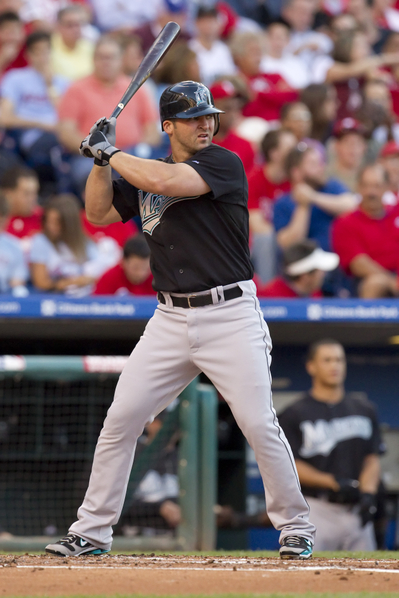
Uggla's acquisition price and the Marlins' willingness to trade him within the division surprised me. The Braves came out smelling like roses, giving up one year of a good utility player and a hard-throwing but wild reliever. Uggla (pictured) seems to boost the Braves' offense more than most available left fielders would have. However, adding four years and $52MM for Uggla doesn't seem like much of a discount compared to his expected free agent contract. Had he not been extended, Uggla might have been looking at an additional $5-9MM over the 2011-15 seasons.
The Braves lost Rafael Soriano and Mike Gonzalez from their pen in the previous offseason and signed Wagner and Saito as replacements. Those two have since departed as well. The Braves continued the veteran reliever cycle for just $3.2MM for Sherrill and Linebrink, also retaining arbitration eligible Scott Proctor for $750K. All three represent cases of buying low, but even if they don't bounce back the Braves will have a full season of Craig Kimbrel and other holdovers like Jonny Venters, Peter Moylan, and Eric O'Flaherty. The organization's power arms in the minors accentuate the fact that only secondary bullpen additions were needed.
I liked several of Wren's smaller moves this offseason. He retained Hinske without adding a second year. Lopez, who pitched 200 innings last year, adds rotation depth on a minor league deal. Mather is a good athlete who figures to make the team as an extra outfielder.
Because of the depth they've accumulated, the Braves were able to avoid the high end of the free agent market for first basemen, starting pitchers, and relievers. The club's rotation depth should take them far, and with many good young pitchers pushing toward the Majors they may even have a surplus soon. The Braves may be exposed in left and center field if Prado has to fill in for Chipper Jones at third base for an extended period of time. I expect Wren to be active on the trade market if the outfield does become a concern.
Ben Nicholson-Smith contributed to this post. Photo courtesy of Icon SMI.
Offseason In Review: Colorado Rockies
The Rockies are next in our Offseason In Review series.
Major League/International Signings
- Jorge de la Rosa, SP: three years, $32MM. Third year (2013) is an $11MM player option which if exercised gives Rockies $11MM club option for 2014.
- Ty Wigginton, IF: two years, $8MM. Includes $4MM option for 2013 with a $500K buyout.
- Total spend: $40MM.
Notable Minor League Signings
- Jason Giambi, John Maine, Chris Sampson, Billy Buckner, Eric Stults, Claudio Vargas, Sean White, Chad Moeller, Alfredo Amezaga, Hernan Iribarren, Mike Jacobs, Willy Taveras, Matt Pagnozzi, Eric Duncan, Jeff Salazar, Tug Hulett, Jesus Colome
Extensions
- Troy Tulowitzki, SS: seven years, $134MM in new guaranteed money. Includes $15MM club option for 2021 with a $4MM buyout.
- Carlos Gonzalez, LF: seven years, $80MM.
- Matt Lindstrom, RP: two years, $6.6MM. $4MM club option for 2013 with a $200K buyout.
- Jason Hammel, SP: two years, $7.75MM.
- Rafael Betancourt, RP: one year, $4.25MM. Includes $4.25MM mutual option for 2013 with a $250K buyout.
- Matt Belisle, RP: two years, $6.125MM.
Trades and Claims
- Acquired P Felipe Paulino from Astros for IF Clint Barmes
- Acquired IF Jose Lopez from Mariners for SP Chaz Roe
- Acquired C Jose Morales from Twins for RP Paul Bargas
- Acquired RP Matt Lindstrom from Astros for RP Jonnathan Aristil and SP Wes Musick
- Acquired SP Clayton Mortensen from Athletics for SP Ethan Hollingsworth
Notable Losses
- Miguel Olivo, Clint Barmes, Melvin Mora, Jeff Francis, Manny Corpas, Joe Beimel, Octavio Dotel, Chaz Roe, Paul Bargas, Jonnathan Aristil, Wes Musick, Ethan Hollingsworth
Summary
Rockies GM Dan O'Dowd is all about locking up his own players, despite mixed results. The initial contracts for Troy Tulowitzki and Ubaldo Jimenez were masterstrokes, while extra years and dollars guaranteed to Huston Street, Chris Iannetta, and Aaron Cook have been regrettable. Six Rockies were extended this winter, headlined by Tulowitzki and Carlos Gonzalez.
The Tulo and CarGo extensions were very different situations, and I analyzed them here and here. Both players were already under control through 2014, so O'Dowd is planning four years into the future with these deals. He's gambled $167MM on nine player seasons for the pair from the year 2015 forward. Whether these players age well is anyone's guess, but the contracts carry big risk and big potential reward. It's not often we see a GM looking so far ahead.
The Rockies established cost certainty with the extensions for arbitration eligible pitchers Lindstrom and Hammel, though the safe move would have been going year-to-year. The Rockies bought out a couple of free agent years at reasonable rates for Betancourt and Belisle after deciding not to offer a third year to free agent Matt Guerrier.
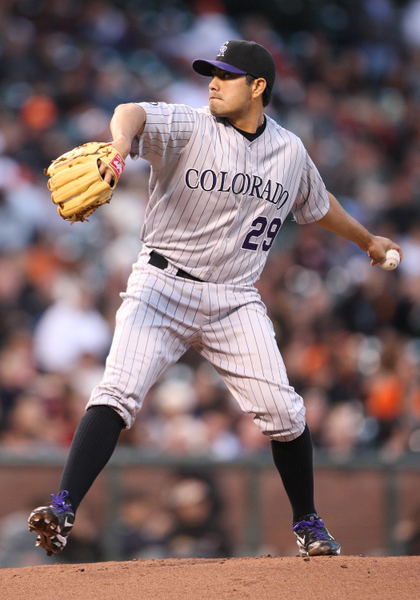
The Rockies made a pair of free agent commitments, retaining De La Rosa (pictured) and bringing in Wigginton. On one hand, the De La Rosa contract was a win in that the Rockies didn't have to commit to a fourth year for a guy who's never topped 185 innings and posts ugly walk rates. On the other, player options often ensure that the player re-enters the free agent market if he has a strong final season and stays put if he's not worth his option price. I felt that the Rockies overpaid for Wigginton's versatility in an offseason where Eric Hinske signed for one year and $1.35MM.
On the trade front, I love the acquistion of Paulino for Barmes. Barmes seemed headed for a non-tender, while Paulino's big strikeout rate and velocity qualify him as a sleeper. The Rockies acquired a non-tender candidate of their own in Lopez, though $3.6MM isn't a bad gamble. The price to acquire Lindstrom was reasonable as well.
The 2011 Rockies look like an improved team, if De La Rosa, Hammel, and Jhoulys Chacin are able to provide full seasons in support of Jimenez. Even if not, the bullpen looks deeper given the addition of Lindstrom and assuming good health for Street. But this offseason was about much more than 2011, as O'Dowd invested heavily in the futures of Tulowitzki and Gonzalez.
Photo courtesy of Icon SMI.
Offseason In Review: Chicago White Sox
The White Sox are next in our Offseason In Review series.
Major League/International Signings
- Adam Dunn, DH: four years, $56MM. Also gave up #23 overall draft pick to Nationals.
- Paul Konerko, 1B; three years, $37.5MM. $7MM of 2013 salary deferred, paid in $1MM installments from 2014-20.
- Jesse Crain, RP: three years, $13MM.
- A.J. Pierzynski, C: two years, $8MM.
- Will Ohman, RP: two years, $4MM.
- Matt Thornton, RP: one year, $3MM. Club option exercised.
- Omar Vizquel, IF: one year, $1.75MM.
- Ramon Castro, C: one year, $1.2MM. Club option exercised.
- Total spend: $124.45MM
Notable Minor League Signings
- Lastings Milledge, Dallas McPherson, Daryle Ward, Jeff Gray, Donny Lucy, Brian Bruney, Josh Kinney, Shane Lindsay
Extensions
- Alexei Ramirez, SS: four years, $32.5MM. Includes $10MM club option for 2016 with a $1MM buyout.
- Matt Thornton, RP: two years, $12MM. Includes $6MM club option for 2014 with a $1MM buyout.
Trades and Claims
- Acquired P Kyle Cofield from Braves for RP Scott Linebrink and $3.5MM
- Claimed SP Philip Humber off waivers from Athletics
Notable Losses
- Bobby Jenks, J.J. Putz, Freddy Garcia, Scott Linebrink, Manny Ramirez, Andruw Jones, Mark Kotsay, Randy Williams, Carlos Torres, Erick Threets
Summary
White Sox GM Kenny Williams spent lavishly on free agents this offseason. He brought in Dunn to replace last year's DH rotation, spent big to replace bullpen losses, and retained longtime favorites Konerko and Pierzynski at the last minute.
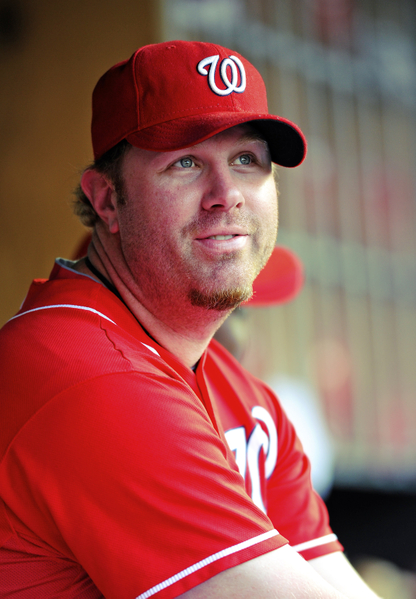
Dunn hit his standard 38-40 home runs in 2010, though he drew about 40 fewer walks than usual. The slugger wasn't expected to accept a full-time DH job, but National League teams weren't calling and the White Sox offered him a chance to play for a contender without taking a discount. Power always comes at an inflated price on the free agent market, but Dunn should provide a reliable middle of the order bat for Chicago. Keep in mind that the signing came before the Sox knew they'd be able to retain Konerko. Dunn came with the added cost of the #23 overall draft pick, which perhaps the White Sox could stomach because they are starting to build up depth in the lower minors.
The White Sox came close to losing Konerko to the Diamondbacks but ultimately compensated him well for a season that saw him place fifth in the AL MVP voting. That Konerko's monster year came at age 34 made the term a tricky issue, as the Sox probably would have preferred not to guarantee three years. Konerko was able to rest by playing 23 games at DH last year, a luxury he'll continue to have when Dunn plays first base on occasion. That was not an option when Jim Thome was on the club and healthy.
Similarly, the White Sox retained Pierzynski at the last minute. He nearly signed a deal with the Dodgers, which would have caused Williams to turn to Miguel Olivo. I don't mind the signing, as reliable everyday veteran catchers are a rare commodity. The White Sox could have reduced Pierzynski's free agent leverage by offering arbitration to the Type A free agent, but given the value of the relationship and their desire to re-sign him, plus his potential large one-year salary from the process, I can understand the choice.
Faced with the major bullpen losses of Jenks and Putz, Williams committed a hefty $17MM for five seasons of Crain and Ohman. They made the Crain commitment even while acknowledging the burden Linebrink had become by assuming over 60% of the latter's salary to convince the Braves to take him. The key members of last year's bullpen – Jenks, Putz, Thornton, and Sergio Santos, were all acquired on the cheap, so it was odd to see the Sox open the checkbook here – especially since they'll have an added weapon in a full season from Chris Sale. Still, perhaps the team's thinking was that they were simply re-allocating Jenks' money to other relievers.
Ramirez is an underrated player, a rare shortstop who contributes offensively and defensively. Locking him up at a reasonable price for potentially three free agent seasons looks like a strong move. Thornton's extension was more of a necessary evil, with the club option making it more palatable.
Even if Konerko regresses, the Sox could have an improved offense given the addition of Dunn and possible improvement from Gordon Beckham. The team's success may hinge on the health of the rotation, particularly Jake Peavy. The Sox don't have much depth if a starter or two has to miss significant time, though they're not alone in that regard.
Photo courtesy of Icon SMI.
Offseason In Review: Seattle Mariners
The Mariners are next in our Offseason In Review series.
Major League/International Signings
- Miguel Olivo, C: two years, $7MM. $3MM club option for 2013 with a $750K buyout.
- Jack Cust, DH: one year, $2.5MM. Can be controlled for 2012 as an arbitration eligible player.
- Esteilon Peguero, SS: $1.1MM bonus.
- Erik Bedard, SP: one year, $1MM.
- Gabriel Guerrero, OF: $400K bonus.
- Total spend: $13MM.
Notable Minor League Signings
- Josh Bard, Denny Bautista, Manny Delcarmen, Gabe Gross, Charlie Haeger, Adam Kennedy, Ryan Langerhans, Nate Robertson, Jamey Wright, Fabio Castro, Justin Miller, Chris Ray, Royce Ring, Luis Rodriguez
Extensions
Trades and Claims
- Acquired SP Chaz Roe from Rockies for IF Jose Lopez
- Claimed RP Jose Flores from Indians in Rule 5 draft
- Acquired SS Brendan Ryan from Cardinals for SP Maikel Cleto
- Acquired a player to be named later or cash considerations from Padres for C Rob Johnson
- Acquired P Aaron Laffey from Indians for IF/OF Matt Lawson
Notable Losses
- Jose Lopez, Maikel Cleto, Casey Kotchman, Russell Branyan, Rob Johnson, Ryan Rowland-Smith, Ian Snell, Sean White, Matt Lawson
Summary
The Mariners "won" the 2009-10 offseason and ended up winning 61 games. Now they're in a difficult position: they're not committed to a full rebuild, but they probably don't have the talent to contend in 2011. Let's see how GM Jack Zduriencik handled this conflict within the confines of limited payroll flexibility this offseason.
Baseball America's 2011 Handbook ranked Seattle's farm system 18th in the game, and the Mariners added quality prospects by signing Peguero and Guerrero. Getting Roe for Lopez was a win in that the latter appeared headed for a non-tender. However, Zduriencik did subtract one live arm in sending Cleto to St. Louis for Ryan. The goal should be to add to the farm system while retaining players who can help the Mariners compete in 2012.
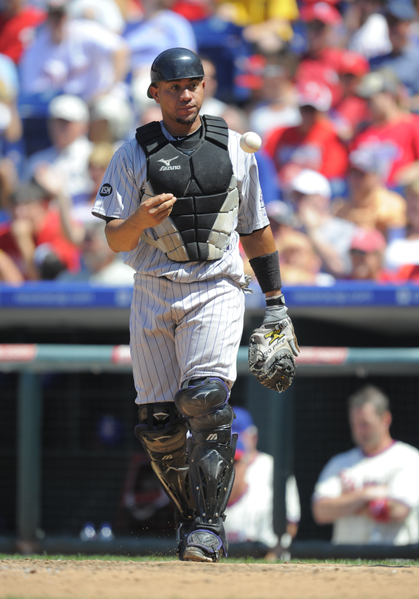
Given the importance of intangibles when evaluating catchers, free agent contracts are often difficult to assess. I don't love the Olivo signing, but the price is OK compared to John Buck and there is something to be said for having a veteran behind the plate for top prospect Michael Pineda and other inexperienced pitchers. Going entirely with youth behind the plate last year did not go well.
Cust, Bedard, and minor league signings like Delcarmen and Ray are smart moves with little downside. Perhaps with more stability Cust can post a .400 OBP over a full season. Bedard took less to remain in Seattle and says he's as healthy as he's been in years. Delcarmen and Ray will take on prominent bullpen roles, which is a risk a contending team couldn't take. Ryan did cost Cleto, but the infielder fits with the Mariners' tendency to scoop up underrated defenders. The Mariners reportedly checked in on many starters with health concerns beyond Bedard, such as Justin Duchscherer, Chris Capuano, Rich Harden, and Jeff Francis. In the end, the risk/reward equation didn't work for Seattle with these free agents.
2011 may be more of a regrouping year than a rebuilding one for the Mariners under new manager Eric Wedge. They'll be free of significant payroll commitments after '11, though Felix Hernandez's salary takes a big jump for '12. I think the Mariners intend to make more of a push toward contention for '12, after seeing what they have in Pineda, Dustin Ackley, Michael Saunders, Justin Smoak, Dan Cortes, and Josh Lueke.
Offseason In Review: Cincinnati Reds
The Reds are next in our Offseason In Review series.
Major League/International Signings
- Bronson Arroyo, SP: three years, $35MM. $15MM deferred without interest, paid through 2021.
- Ramon Hernandez, C: one year, $3MM.
- Edgar Renteria IF: one year, $2.1MM.
- Miguel Cairo, IF: two years, $2MM.
- Jonny Gomes, LF: one year, $1.75MM. Club option exercised.
- Fred Lewis, OF: one year, $900K. Can be controlled through 2013 as an arbitration eligible player.
- Total spend: $44.75MM.
Notable Minor League Signings
Extensions
- Jay Bruce, RF: six years, $51MM. $13MM club option for 2017 with a $1MM buyout.
- Joey Votto, 1B: three years, $38MM.
- Johnny Cueto, SP: four years, $27MM. $10MM club option for 2015 with a $800K buyout.
Trades and Claims: None
Notable Losses
Summary
In 2010 the Reds rode the league's best offense and an acceptable pitching staff to the NL Central crown, marking their first winning season since 2000 and first playoff appearance since '95. In the offseason that followed, GM Walt Jocketty adopted the motto, "If it ain't broke, don't fix it."
Due to payroll limitations, Jocketty's only real play to change the Reds significantly would have been through trades or by way of declining Arroyo's option. In early November Jocketty decided to exercise Arroyo's 2011 option at a hefty $13MM, as opposed to a $2MM buyout. It was a large commitment to a 34-year-old soft-tosser many teams would consider an innings eater, though six seasons in a row of 200-plus innings is a rarity. A month later Jocketty tacked on two years, coming up with a new deal heavy on deferred money. The Reds halved Arroyo's 2011 salary in the process.
Otherwise Jocketty minimized his free agent expenditures, committing under $10MM to five position players. I don't blame him; there wasn't much out there at left field or shortstop. The bullpen features enough big arms to withstand the loss of Rhodes, though an arbitration offer would not have been a bad idea for the Type A lefty. In addition to a full season of Aroldis Chapman, the Reds' 2011 pen features a sleeper in Jose Arredondo. Signed to a minor league deal a year ago, he's fully recovered from Tommy John surgery. The Reds will try Paul Janish and Renteria at shortstop with Cabrera's departure. I don't mind the plan, though I'm curious if the Reds inquired on J.J. Hardy.
The Reds' front office spent the bulk of their offseason hammering out extensions with Bruce, Cueto, and Votto, and attempting one with Edinson Volquez. Bruce's deal offers a chance at three affordable free agent seasons, and it makes sense for both sides. Cueto's contract allows for two free agent years, and is riskier by nature since he's a pitcher. But $16MM is the going rate for a good young pitcher's arbitration years in an extension, so this was a typical contract.
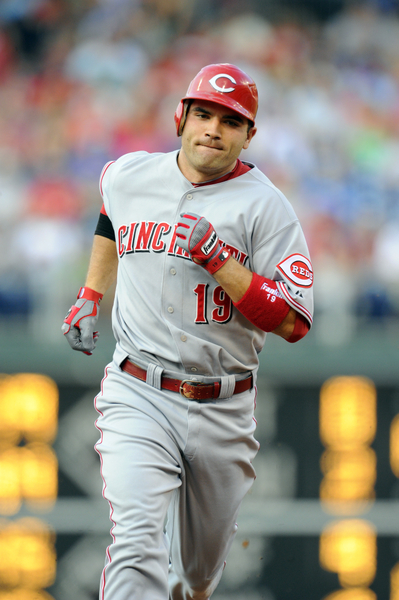
As MLBTR's Ben Nicholson-Smith outlined in January, Votto's deal was a head-scratcher from the Reds' point of view. The Reds were not able to buy out any free agent seasons, which might have cost upwards of $20MM each. At best the Reds received a mild discount of a few million dollars on Votto's first two arbitration years, compared to the year-to-year earnings of Prince Fielder.
Payroll aside, the Reds did not need to tinker much with the NL's best offense. They're bringing back a similar group, with plenty of upside for players like Bruce and Drew Stubbs. Replacing Harang with a young in-house starting pitcher is an upgrade, especially if Homer Bailey's late-season success carries over. The team is overly enamored with Arroyo and the Votto extension was player-friendly, but the painful aspects of those contracts will be realized after 2011. The 2011 Reds are short on new faces, which is a positive in their case.
Photo courtesy of Icon SMI.
Offseason In Review: Baltimore Orioles
The Orioles are next in our Offseason In Review series.
Major League/International Signings
- Kevin Gregg, RP: two years, $10MM. Includes $6MM vesting option for 2013.
- Vladimir Guerrero, DH: one year, $8MM. $3MM of salary deferred without interest, paid 2016-17.
- Derrek Lee, 1B: one year, $7.25MM.
- Koji Uehara, RP: one year, $3MM. Includes vesting option for 2012.
- Cesar Izturis, SS: one year, $1.5MM.
- Jeremy Accardo, RP: one year, $1.08MM. Can be controlled for 2012 as an arbitration eligible player.
- Justin Duchscherer, SP: one year, $700K.
- Total spend: $31.53MM.
Notable Minor League Signings
- Mark Hendrickson, David Riske, Randy Winn, Josh Rupe, Nick Green, Nick Bierbrodt, Jeff Fiorentino, Ryan Drese
Trades and Claims
- Acquired 3B Mark Reynolds and a player to be named later or cash considerations from Diamondbacks for RP David Hernandez and RP Kam Mickolio
- Acquired SS J.J. Hardy, IF Brendan Harris, and $500K from Twins for RP Jim Hoey and RP Brett Jacobson
- Claimed RP Adrian Rosario from Brewers in Rule 5 draft
Notable Losses
- Ty Wigginton, Kevin Millwood, Matt Albers, David Hernandez, Kam Mickolio, Jim Hoey, Brett Jacobson, Corey Patterson, Cla Meredith, Julio Lugo, Scott Moore, Luis Montanez,
Summary
A year ago, the Orioles committed over $30MM to short-term veteran acquisitions while also surrendering the 53rd overall draft pick to the Braves. President of baseball operations Andy MacPhail took a similar approach this offseason, adding more to the payroll but keeping his draft picks. Is the Orioles' strategy good for the long-term health of the franchise?
MacPhail's dealings mostly improved the team for 2011, though Reynolds, Gregg, and Accardo will be under control for the 2012 season. The big question is, why is MacPhail trying so hard to improve the 2011 Orioles? Is it an attempt to energize the fan base? I'm not sure these players will increase attendance significantly. Is it for the veteran leadership? That can be acquired more affordably. Is it because MacPhail truly views the Orioles as contenders? The O's don't have nearly enough starting pitching to make contention seem realistic.
One school of thought is that the money spent this offseason would be better put toward the draft and Latin America, as ESPN's Keith Law suggested in a discussion with MASN's Steve Melewski. In the team's defense, they already rank fourth in MLB in draft spending over the last three years. They haven't been aggressive in Latin America, but a lower big league payroll might not change that.
The signings of Gregg, Uehara, and Accardo may at least help the Orioles' young pitching staff. Only the Gregg signing could be considered excessive. The Blue Jays valued one draft pick more than having Gregg (or his trade value) at one year and $4.5MM or two years and $8.75MM. The Orioles again took the plunge on a pricey reliever, even with Mike Gonzalez still on the roster as a reminder. All multiyear free agent reliever deals are risky, but the gamble makes more sense for contending teams. MacPhail may have felt the need to bolster the bullpen after the subtraction of David Hernandez, who was excellent in relief last year and under team control through 2015.

The Orioles' offense is looking strong with the additions of Reynolds, Hardy, Lee, and Guerrero, assuming they stay healthy. Of course, the bar is extremely low given last year's output of 3.78 runs per game. The price for these four players was far from franchise-crippling, but there is concern the veterans will take at-bats from younger guys. Nolan Reimold and Josh Bell have something to prove in Triple-A, however, and I think the Orioles will make room if they start raking.
You'd like to see a few of the newly-added veterans flipped for interesting prospects at the trade deadline, though MacPhail wasn't able to cash in Garrett Atkins, Kevin Millwood, and Ty Wigginton last year. He's added superior players for 2011, so I think there's a better chance this time around.
This is an improved Orioles team, but to what end? Some need to see a tangible benefit before endorsing significant short-term veteran commitments for a rebuilding club. The Orioles might argue, what's the downside? If the short-term additions don't adversely affect the farm system or the development of young players, the Orioles' strategy can at least be considered neutral for the long-term health of the franchise regardless of the team's record in 2011. I expect to hear a lot of intangibles as support for MacPhail's offseason, while the more analytically-minded will focus on whether the Orioles are able to trade veterans for prospects in July.
Photo courtesy of Icon SMI.
Offseason In Review: San Diego Padres
The Padres are next in our Offseason In Review series.
Major League/International Signings
- Orlando Hudson, 2B: two years, $11.5MM. Includes $8MM club option for 2013 with a $2MM buyout. Padres cannot offer arbitration if Hudson is a Type A at end of contract.
- Aaron Harang, SP: one year, $4MM. Includes $5MM mutual option for 2012 with a $500K buyout. Padres cannot offer arbitration if Harang is Type A.
- Brad Hawpe, 1B: one year, $3MM. Includes $6MM mutual option for 2012 with a $1MM buyout. Padres cannot offer arbitration if Hawpe is Type A.
- Chad Qualls, RP: one year, $2.55MM. Includes $6MM club option for 2012 with a $1.05MM buyout.
- Dustin Moseley, SP/RP: one year, $950K. Can be under team control through 2013 as an arbitration eligible player.
- Jorge Cantu, 1B/3B: one year, $850K.
- Edwin Moreno, OF: $500K bonus.
- Total spend: $23.35MM.
Notable Minor League Signings
- Gregg Zaun, Guillermo Quiroz, Kevin Frandsen, Randy Flores, Geoff Geary, Jesus Guzman, Kyle Phillips, Luis Perdomo, Greg Burke, David Newhan, Bobby Kielty, Matt Riley
Extensions
- Jason Bartlett, SS: two years, $11MM. Includes $5.5MM club option for 2012 with a $1.5MM buyout.
Trades and Claims
- Claimed 2B Jarrett Hoffpauir off waivers from Blue Jays
- Acquired CF Cameron Maybin from Marlins for RP Ryan Webb and RP Edward Mujica
- Acquired SP Casey Kelly, 1B Anthony Rizzo, CF Reymond Fuentes, and OF/2B Eric Patterson from Red Sox for 1B Adrian Gonzalez
- Claimed RP George Kontos in Rule 5 draft from Yankees
- Acquired SS Jason Bartlett and a player to be named later from Rays for RP Brandon Gomes, RP Adam Russell, SP/RP Cesar Ramos, and 2B Cole Figueroa
- Acquired C Rob Johnson from Mariners for a player to be named later or cash considerations
- Claimed SP Samuel Deduno off waivers from Rockies
Notable Losses
- Adrian Gonzalez, Jon Garland, Kevin Correia, Chris Young, David Eckstein, Jerry Hairston Jr., Yorvit Torrealba, Scott Hairston, Tony Gwynn, Miguel Tejada, Matt Stairs, Ryan Webb, Edward Mujica, Brandon Gomes, Adam Russell, Cesar Ramos, Cole Figueroa
Summary
Despite nearly making the playoffs in 2010, the Padres cashed in their best player by sending Adrian Gonzalez to the Red Sox as the first baseman entered his contract year. Like the Marlins with Dan Uggla and the Rays with Matt Garza, Padres GM Jed Hoyer built a team to win in 2011 despite a major subtraction.
I didn't expect Gonzalez to be traded this offseason, as he is coming off shoulder surgery and the Padres had some goodwill from their surprising 90 win season. With Gonzalez set to earn just $6.3MM in 2011, the trade was not financially motivated. Instead, Hoyer must have been bowled over by the haul of prospects offered by Boston. The Gonzalez trade seems a tough sell to the fan base, as Hoyer could have waited to assess his team at the trade deadline or just resolved to taking two draft picks after the season – similar to what the Brewers chose to do with Prince Fielder. In Hoyer's defense, Fielder did not have Gonzalez's trade value, and waiting to trade Gonzalez meant risking getting much less in return.
The dropoff in offensive production at first base could be surprisingly small if Hawpe and Cantu are used wisely in a platoon and perform at their 2008-09 levels. The bar for offense at almost every other position is very low if the Padres just aim to improve on last year's 4.10 runs per game.
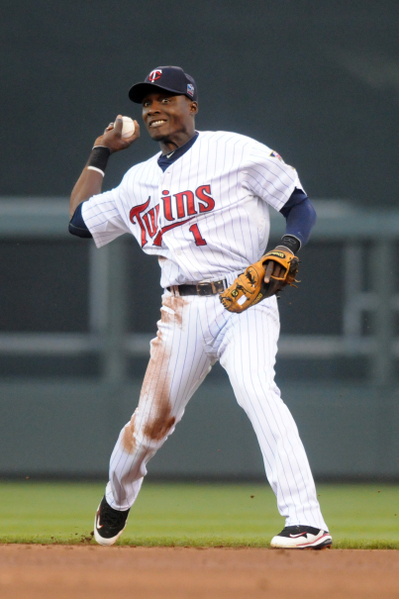
The Padres' relatively pricey new-look middle infield of Hudson and Bartlett should provide better performance on both sides of the ball for two years. The Padres haven't gotten even a .325 OBP out of a middle infield spot since Mark Loretta in 2005. The Padres have Chase Headley and Ryan Ludwick penciled into a couple of offensive-minded positions, and they're looking from big improvements from both.
Hoyer dealt from a position of strength to acquire Bartlett and Maybin, as MLBTR's Mike Axisa explained in December. The Padres had one of few bullpens that could withstand some losses; they still have Heath Bell, Mike Adams, and Luke Gregerson to turn games into six-inning affairs, and there are positive vibes around bounceback pickup Qualls.
Qualls was just one example illustrating Hoyer's buy-low strategy this offseason. Harang, Hawpe, Cantu, and Maybin are four other acquisitions who fell to the Padres because of down 2010 seasons. Maybin, with the biggest upside, cost the most in Webb. The Padres gave up five seasons of control of the hard-throwing righty.
With the loss of Gonzalez, few will pick the Padres to win the NL West in 2011. For Hoyer's revamped team to contend, pitching will again be key. The Padres have a young, interesting rotation led by 23-year-old Mat Latos and still boast one of the league's top bullpens. And as questionable as a Padres lineup without Gonzalez sounds, the offense could still top its 2010 output.
Photo courtesy Icon SMI.
Offseason In Review: Tampa Bay Rays
The Rays are next in our Offseason In Review series.
Major League Signings
- Johnny Damon, LF/DH: one year, $5.25MM.
- Kyle Farnsworth, RP: one year, $3.25MM.
- Manny Ramirez, DH: one year, $2MM.
- J.P. Howell, RP: one year, $1.1MM.
- Joel Peralta, RP: one year, $900K.
- Total spend: $12.5MM
Notable Minor League Signings
- Felipe Lopez, Juan Cruz, Joe Inglett, Chris Bootcheck, Chris Carter, Casey Kotchman, Ray Olmedo, Dirk Hayhurst, R.J. Swindle, Cory Wade
Trades and Claims
- Claimed RP Cesar Cabral from Red Sox in Rule 5 draft
- Acquired RP Brandon Gomes, RP Adam Russell, P Cesar Ramos, and 2B/SS Cole Figueroa from Padres for SS Jason Bartlett and a player to be named later
- Acquired SP Chris Archer, SS Hak-Ju Lee, C Robinson Chirinos, OF Sam Fuld, and OF Brandon Guyer from Cubs for SP Matt Garza, OF Fernando Perez, and SP Zach Rosscup
- Claimed RP Rob Delaney off waivers from Twins
Notable Losses
- Carl Crawford, Rafael Soriano, Carlos Pena, Joaquin Benoit, Lance Cormier, Grant Balfour, Dan Wheeler, Randy Choate, Jason Bartlett, Matt Garza, Fernando Perez, Zach Rosscup, Willy Aybar, Gabe Kapler, Dioner Navarro, Brad Hawpe, Rocco Baldelli, Chad Qualls, Dale Thayer
Summary
Free agency hit the Rays especially hard this offseason. Their expected losses were known well in advance, but it's still a daunting list. The Rays saw almost their entire bullpen sign elsewhere, watched Crawford ink a megadeal with a division rival, and traded a few regulars for good measure. The fascinating part is that Rays executive vice president of baseball operations Andrew Friedman still put together a team that will compete in baseball's toughest division.
Just to underscore the Rays' losses: 11 members of the 2010 team signed Major League contracts elsewhere this winter, most of them as free agents. Teams committed $238.05MM to the group over 24 contract years. The eleven departed players will earn about $67MM in 2011, roughly $25MM more than the Rays' entire payroll. On the plus side, the losses of Crawford, Soriano, Balfour, Benoit, Choate, Hawpe, and Qualls will result in ten extra draft picks within the top 75 in June. You have to wonder if Hawpe and Qualls denied their arbitration offers due to handshake agreements beforehand, which MLBTR's Ben Nicholson-Smith alluded to in January.
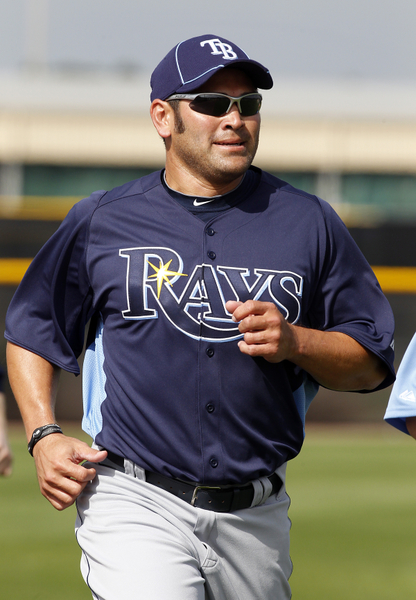
Despite ranking sixth in the AL in on-base percentage and eighth in slugging, the Rays' 2010 offense placed third at 4.95 runs per game due to exceptional hitting with runners in scoring position. 2011 brings offensive changes at first base, shortstop, left field, and designated hitter. Of the four positions, only left fielder Crawford actually produced at the plate last year. I think the dropoff from Crawford to Damon will be outweighed by improvements at the other three spots. The Rays' timely hitting of 2010 will be tough to replicate, but the Damon/Manny tandem brings a pair of strong OBPs to the offense at the least. Certainly there is a defensive loss in left field, but going from Bartlett to Brignac at shortstop is an improvement.
One could argue that Jeremy Hellickson is actually an upgrade over Garza in the rotation despite the former's inexperience in the Majors. I imagine the Rays would have preferred to maintain the depth, but felt the need to reallocate Garza's money. Friedman still made a big score in plucking five players out of the Cubs' farm system in the trade.
Even if the Rays had committed the $62.6MM required to retain Soriano, Benoit, Balfour, and Wheeler, the group obviously would not have been good for another 227 innings of 2.10 ball in 2011. Can Friedman's new ragtag bunch manage an ERA under 4.00 this year? It's anybody's guess, but Benoit, Balfour, and Howell were not considered relief aces when they first came to Tampa Bay. And as manager Joe Maddon explained recently, no one was penciling the 2010 crew in as the league's best pen a year ago. The 2011 bullpen is packed with sleepers. As I mentioned in the Twins offseason in review, if you have to skimp on one area, let it be the bullpen.
Given the impossible position Friedman was in, I liked the Rays' offseason. The Rays did a lot with the $12.5MM spent on big league free agents and assembled an interesting group of minor league deals. Even with an $80MM payroll the Rays probably would not have won the Crawford bidding, though they might still have Garza as well as more certainty in the pen.
Photo courtesy Icon SMI.
Offseason In Review: Oakland Athletics
The Athletics are next in our Offseason In Review series.
Major League Signings
- Brian Fuentes, RP: two years, $10.5MM. Includes $6.5MM club option for 2013 with a $500K buyout.
- Grant Balfour, RP: two years, $8.1MM. Includes $4.5MM club option for 2013 with a $350K buyout.
- Mark Ellis, 2B: one year, $6MM. Club option exercised.
- Coco Crisp, CF: one year, $5.75MM. Club option exercised.
- Hideki Matsui, DH: one year, $4.25MM.
- Renato Nunez, 3B: $2.2MM bonus.
- Rich Harden, P: one year, $1.5MM.
- Brandon McCarthy, P: one year, $1MM.
- Vicmal De La Cruz, CF: $800K bonus.
- Total spend: $40.1MM.
Notable Minor League Signings
Trades and Claims
- Acquired OF David DeJesus from Royals for SP Vin Mazzaro and SP Justin Marks
- Claimed 3B Edwin Encarnacion off waivers from Blue Jays, later non-tendered
- Acquired RP Danny Farquhar and RP Trystan Magnuson from Blue Jays for OF Rajai Davis
- Acquired OF Jose Rivero from Diamondbacks for cash considerations
- Acquired OF Josh Willingham from Nationals for RP Henry Rodriguez and OF Corey Brown
- Claimed SP Philip Humber off waivers from Royals, claimed by White Sox 1-18-11
- Acquired RP Ryan Kelly from Pirates for OF Corey Wimberly
- Acquired SP Guillermo Moscoso from Rangers for RP Ryan Kelly
- Acquired SP Ethan Hollingsworth from Rockies for SP Clayton Mortensen
Notable Losses
- Rajai Davis, Jack Cust, Gabe Gross, Eric Chavez, Jeff Larish, Vin Mazzaro, Ben Sheets, Justin Duchscherer, Henry Rodriguez, Boof Bonser, Ross Wolf, Justin Marks, Corey Brown, Corey Wimberly, Ryan Kelly, Clayton Mortensen
Summary
Once again, the Athletics failed to reach agreements with top free agent targets, falling short on attempts to sign Hisashi Iwakuma, Lance Berkman, and Adrian Beltre. In an earlier post, I explained that Oakland missed on these players for a classic reason: they didn't offer the best contracts. As ESPN's Jerry Crasnick explained, the A's chose to make modest, incremental upgrades to the offense, and did so by taking the decision out of the player's hands. Two winters ago they acquired Matt Holliday, and this offseason they did the same by trading for DeJesus and Willingham.
Replacing Cust with Matsui at DH is not necessarily an upgrade, but Cust only accounted for about half of the plate appearances for the A's at that position last year. The A's come out ahead overall, at about half the price of Berkman.
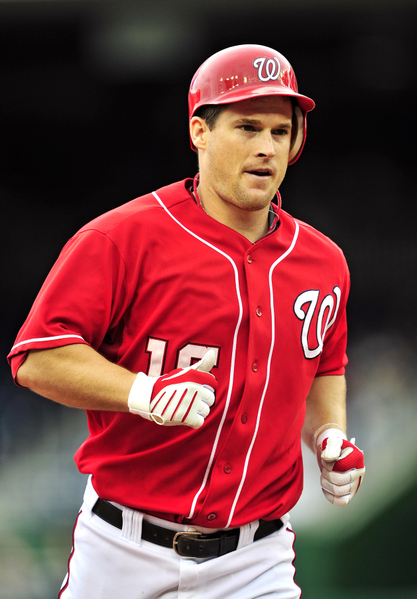
The A's didn't get much offense from the many players appearing at their outfield corners last year, so DeJesus and Willingham add much-needed production at reasonable salaries. While neither player is a classic slugger, it's not easy to add a couple of .380 OBPs. GM Billy Beane surrendered several interesting players to rent DeJesus and Willingham, though I wouldn't call the price exorbitant.
Even without Iwakuma, the A's had strong starting pitching depth in the first four spots. For a mere $2.5MM they added projects Harden and McCarthy. It's hard to find fault with such low-risk signings. McCarthy in particular was a hot commodity after teams watched him throw in the Dominican Winter League.
Moneyball comes to the silver screen this year, but I don't think Beane signed Balfour and Fuentes with some kind of cutting-edge market inefficiency in mind. In fact, signing free agent middle relievers to multiyear, top-dollar deals has proven to be one of the least efficient strategies out there. After missing out on primary targets, the A's simply felt spending on the bullpen was the best remaining way to improve their team despite the risk involved. "They're too good to be out there, and we had money to afford them," Beane told Crasnick. Why did the GM shift from overstocking the rotation with a $30MM+ commitment to Iwakuma to bulking up the pen with an $18.6MM expenditure on Balfour and Fuentes? Perhaps they simply did not like Carl Pavano and the other remaining starters. I haven't seen any evidence that their Iwakuma bid was insincere.
I like what the A's did at DH and the outfield corners, though moving money to relief extravagances was less than ideal. They were unable to upgrade at third base, but the A's can't be faulted for the weak market at that position. It stands to reason that the Athletics have cash on reserve to spend on a midseason hot corner addition, though they'll be at the mercy of the trade market and dealing from a poorly-rated farm system. The current offense looks better than last year's, though the improvement is mitigated if you don't think their front four starters can post 700 innings of 3.17 ball again.
Photo courtesy Icon SMI.
Offseason In Review: Florida Marlins
The Offseason In Review series continues with the Marlins.
Major League Signings
- John Buck, C: three years, $18MM.
- Javier Vazquez, SP: one year, $7MM. Marlins cannot offer arbitration after season.
- Randy Choate, RP: two years, $2.5MM.
- Total spend: $27.5MM
Notable Minor League Signings
- Greg Dobbs, Dewayne Wise, Shawn Hill, Ruben Gotay, Donnie Murphy, Joe Thurston, Victor Garate, Josh Kroeger
Extensions
- Ricky Nolasco, SP: three years, $26.5MM.
Trades and Claims
- Acquired RP Michael Dunn and IF Omar Infante from Braves for 2B Dan Uggla
- Acquired RP Edward Mujica and RP Ryan Webb from Padres for CF Cameron Maybin
- Acquired RP Dustin Richardson from Red Sox for P Andrew Miller
Notable Losses
- Dan Uggla, Cameron Maybin, Andrew Miller, Ronny Paulino, Brett Carroll, Jose Veras, Jorge Sosa, Taylor Tankersley, Will Ohman
Summary
The Marlins had barely made a ripple in the free agent waters since the 2004-05 offseason, but this winter president Larry Beinfest and GM Michael Hill broke out the checkbook. They made early November strikes for Buck and Vazquez, and also dealt away Uggla, Maybin, and Miller in a four-day span that same month. The Fish are pushing payroll over $50MM for the first time since '05, but did they spend the extra money wisely?
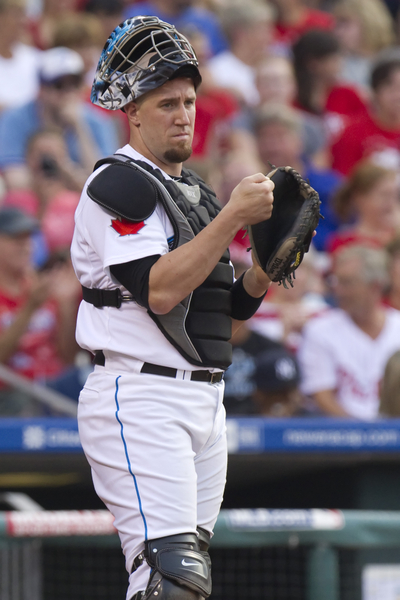 What was more surprising – that Buck scored an $18MM deal, or that it was with the Marlins? Buck is a useful catcher, though a .247/.299/.484 line got him non-tendered by the Royals after '09. In 2010 with Toronto, Buck reached a career high in playing time and hit for average for the first time in his career, but didn't seem to become a drastically different player than the one Kansas City cut loose. Clearly the Marlins viewed Buck as a notch above the available catchers, with Victor Martinez out of their price range. I imagine they assigned a premium to Buck's intangibles and felt they needed the leadership.
I can get behind the Vazquez gamble, even though the price was on the higher end for a reclamation project. He turned down multiyear offers to play close to home. Maybe Vazquez's velocity won't come back in 2011, but perhaps a return to the NL means 200 innings of 4.00 ball from the 34-year-old righty. It's possible that after so many years of starting every fifth day, Vazquez just couldn't get back on track once the Yankees skipped starts and sent him to the pen. I also like the addition of Shawn Hill, who seems like a poor man's Justin Duchscherer.
Choate is a strong bet to continue shutting down lefties, though his agency deserves a nod for snagging a second year. I like Choate more than Will Ohman, who received $1.5MM more. Buck, Vazquez, and Choate are all represented by ACES, a firm that also pounced on the Tigers' desire to act early by getting strong deals for Brandon Inge, Jhonny Peralta, and Joaquin Benoit.
The Marlins also bucked their traditional minor league free agent approach to bullpen-building. Aside from signing Choate, they added big arms Dunn, Mujica, Webb, and Richardson through trades. It seems early to give up on Maybin, who turns 24 in April and has yet to reach arbitration. Even Beinfest admitted Maybin "never really had the sustained time in the big leagues to show what we think he was capable of doing at the time of the trade [with Detroit]." In Florida's defense, they received two controllable relievers for a player who could simply flame out in San Diego. The price for a guy like Webb might have risen as the offseason progressed and free agent relievers started signing for good money. The Marlins will turn to Chris Coghlan in center field, a position he's never played as a pro.
Florida's free agent spending was made possible in part by trading Uggla to the division-rival Braves after he wisely rejected a four-year, $48MM extension offer. I found the return for Uggla to be disappointing for the Marlins, who could have kept him for $10-11MM for 2011. They lose about 25 home runs out of the second base spot, and Infante is a year away from free agency as well. Marlins owner Jeffrey Loria said that "the home run hitters didn't win enough games for us" as justification for the power subtraction. The Marlins may have felt that they'd be better served redistributing Uggla's money toward pitching and defense. And if they weren't necessarily willing to offer arbitration to the slugging second baseman after the 2011 season, they risked getting no players in return.
The Marlins deserve credit for hammering out an extension with Nolasco, buying out a free agent year from their number two starter. With Josh Johnson, Nolasco, Vazquez, and Anibal Sanchez, the Marlins have a formidable front four.
A year after signing zero Major League free agents, the Marlins committed over $27MM to three this offseason. Beinfest and company focused on Buck's leadership, Vazquez's innings, and upgrading the bullpen, with the expectation that they'll still have a strong lineup one through seven without Uggla. The Marlins may not be considered the NL East favorite, but their top-shelf young talent makes them a sleeper for 2011.
Photo courtesy Icon SMI.