
MLBTR Originals
Here’s a look back at MLBTR’s original analysis and reporting over the past seven days:
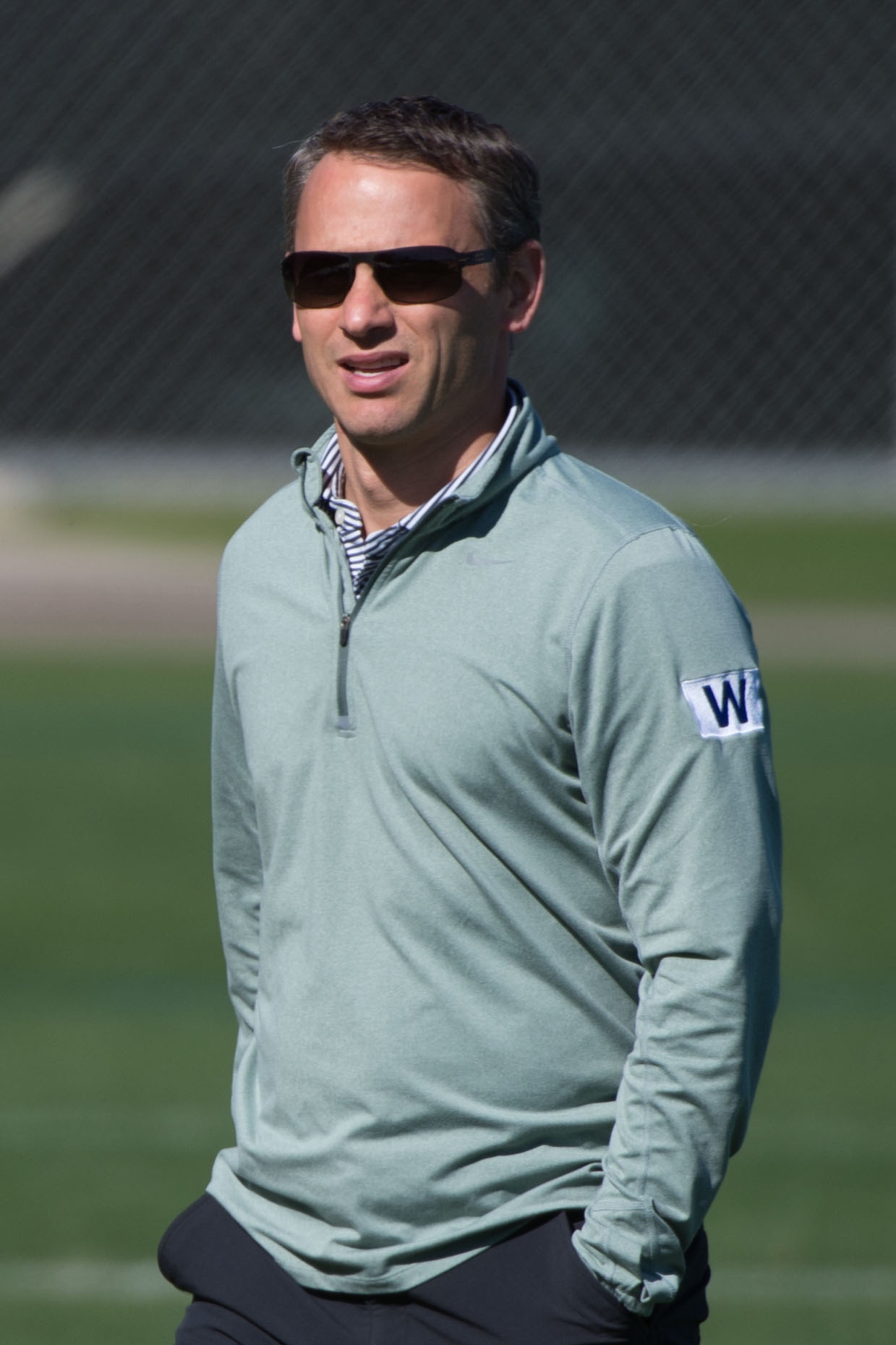
- In the second edition of the MLBTR College Series, Chuck Wasserstrom spoke with Cubs vice president and general manager Jed Hoyer about his time at Wesleyan University, where he enjoyed an accomplished baseball career at multiple positions.
- On this week’s MLBTR Podcast, prospect guru Ben Badler of Baseball America chatted with host Jeff Todd about the early major league success of youngsters like Trevor Story and Nomar Mazara. Badler also touched on some of the intriguing players on the international market, particularly those coming from Cuba and Japan. A new episode of the podcast is released every Thursday and can be accessed on iTunes, SoundCloud, and Stitcher.
- Steve Adams examined how six teams’ early season bullpen decisions could impact the earning power of their late-game relievers through arbitration or free agency next offseason.
- Continuing MLBTR’s Draft Prospect Q&A Series, Chuck interviewed hard-throwing University of Oklahoma right-hander Alec Hansen, a prospective first-round pick in June’s amateur draft. Hansen touched on why he chose to attend Oklahoma, what it would’ve taken for him to eschew college and sign with the Rockies as a 25th-round pick in 2013, and which big-time pitching prospect he likens himself to, among other subjects.
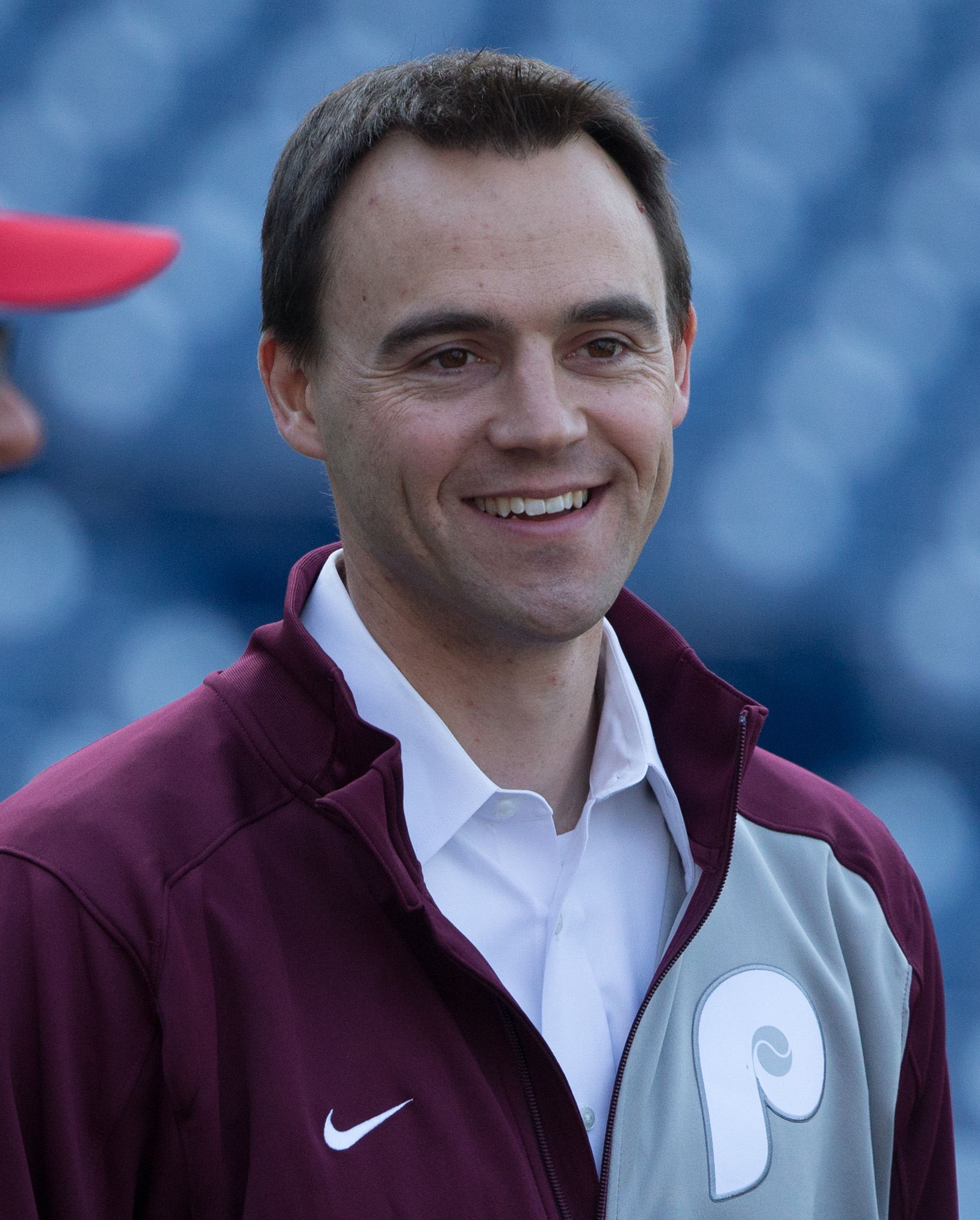
- In another trip down memory lane with a baseball executive, Chuck talked to Phillies VP and GM Matt Klentak concerning his days at Darmouth College. Klentak helped set the stage for his current role back then by earning a degree in economics and making some important connections.
- Chuck also had a discussion with Mercer University center fielder Kyle Lewis, who’s rated as one of the draft’s premier prospects. Lewis spurned a potential college basketball career elsewhere to play baseball at Mercer, where he has worked his way up from the bench to perhaps become the only major league first-rounder the school has produced.
- To conclude a busy week of MLBTR College Series interviews, Chuck spoke to Tigers executive VP and GM Al Avila – a St. Thomas University alumnus. Interestingly, one of the people who helped Avila climb the ranks in baseball was Hall of Fame football coach Don Shula.
- In the final edition of MLBTR’s 2016 Offseason In Review Series, Steve looked back at the Royals’ winter moves. Kansas City followed its World Series-winning 2015 campaign with a busy offseason headlined by the re-signing of outfielder Alex Gordon, the expensive contract given to right-hander Ian Kennedy, and the return of reliever Joakim Soria.
Offseason In Review: Kansas City Royals
This post completes a series in which MLBTR reviewed the offseason moves of every team in baseball. You can find all of those posts at this link.
After coming one game away from baseball’s top prize in 2014, the Royals again reached the postseason in 2015, this time closing out the job with their first World Series title in 30 years. The celebratory parade in Kansas City was a sight to behold, but GM Dayton Moore and his staff had plenty of work to do in what was a busy offseason.
Major League Signings
- Alex Gordon, OF: Four years, $72MM plus 2019 mutual option
- Ian Kennedy, RHP: Five years, $70MM plus opt-out after 2017 season
- Joakim Soria, RHP: Three years, $25MM, plus 2019 mutual option
- Chris Young, RHP: Two years, $11.5MM, plus 2018 mutual option
- Mike Minor, LHP: Two years, $7.25MM plus 2018 mutual option
- Total spend: $185.75MM
Notable Minor League Signings
- Chien-Ming Wang, Travis Snider, Brian Duensing, Clint Barmes, Ross Ohlendorf, David Huff, Peter Moylan, Lester Oliveros
Trades and Claims
- Acquired C Tony Cruz from Cardinals in exchange for INF Jose Martinez
Extensions
- Salvador Perez, C: Five years, $52.5MM (replaced final three years of previous extension)
- Lorenzo Cain, CF: Two years, $17.5MM
- Mike Moustakas, 3B: Two years, $14.3MM
Notable Losses
Needs Addressed
The Royals entered the offseason with a pair of corner outfielders hitting free agency: Alex Gordon and Alex Rios. Gordon, the former No. 2 overall draft pick who has emerged as the face of this new wave of contending baseball in Kansas City, was the clear priority for Moore and the rest of the front office. With early reports that the Royals hoped to re-sign him on a three- or four-year deal, significant doubt was cast on that possibility. It seemed implausible to many, myself included, that Gordon could be had for a deal of that length. However, he was one of many outfielders that lingered on the market longer than pundits expected, and he ultimately signed for $72MM over a four-year term shortly after New Year’s Day. Retaining Gordon was a huge win for the fans, and the fact that the Royals were able to do so at a reasonably manageable price was a plus for the front office. Gordon’s contract is still a record-setter for the typically cost-conscious Royals, but the rest of their roster is affordable enough over the next couple of seasons that it shouldn’t be burdensome.
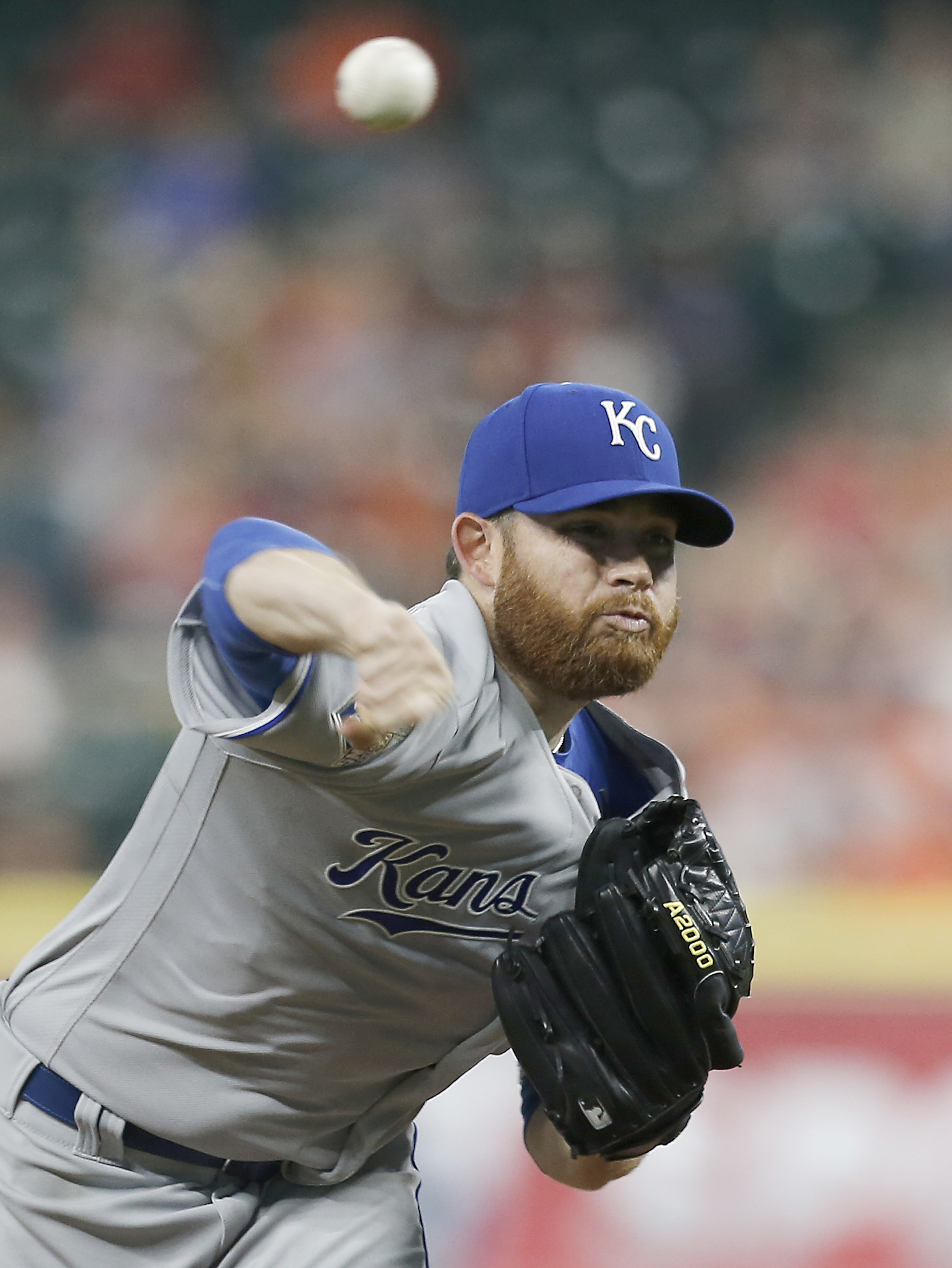
With Cueto, Young and Guthrie lining up as free agents, the Royals needed to supplement their rotation with innings. They were linked to a fair number of free-agent starters, but the primary addition to their rotation was rather stunning. Ian Kennedy always made sense as a target for the Royals — a fly-ball pitcher that would benefit from a large park and excellent defense (plus, Kansas City’s relationship with Scott Boras is strong) — but the terms of the contract were jarring. I was aggressive on Kennedy’s free agent stock this winter and always considered the narrative that he should accept San Diego’s qualifying offer to be ludicrous, but despite being more bullish on his earning power than most, I was still floored when he secured not only a five-year deal worth $70MM but also an opt-out clause.
Kennedy’s skill set is a great fit for a Royals club that can mask his greatest deficiencies via the aforementioned stadium and defensive prowess, but the contract is still teeming with downside. Kennedy is guaranteed just $27MM of that $70MM sum, meaning he’d be opting out of a three-year, $43MM contract as he heads into his age-33 season. While that’s certainly possible, Kennedy’s inconsistent track record and homer-prone nature also make it easy to envision a scenario where that sum tops what he’d earn on the open market. A spike in his homer-to-flyball ratio similar to the one he experienced in another pitcher-friendly environment in 2015 and 2013 would leave the Royals with an unsightly contract.
The Royals made a pair of smaller-scale commitments in the rotation as well. First, they paid up for right-hander Chris Young after two years of drastically outperforming his peripheral stats thanks to his propensity for weak fly-balls (and, weak contact in general). Young shouldn’t be counted on for innings, having topped 100 frames in a season just thrice since the conclusion of the 2008 season, but he’s being paid a fairly modest $11.5MM over the next two seasons and doesn’t need to do all that much to justify the investment. The Mike Minor contract is even lower risk, financially speaking, as the lefty followed former teammate Kris Medlen from Atlanta to Kansas City and signed a similar contract. Minor is recovering from shoulder surgery, but if he resembles anything close to the 2012-13 version of himself upon his return, it’ll be an easy win for the Royals.
The loss of Greg Holland to Tommy John surgery created a hole at the back of the Kansas City bullpen and turned their dominant late-inning trio into a still-formidable duo of Wade Davis and Kelvin Herrera. The Royals sought to fill in the Holland-sized void by reuniting with Joakim Soria, but did so by paying top-of-the-market dollars for a 31-year-old reliever (soon to be 32) that delivered fairly pedestrian results in 2015 prior to a trade to the Pirates. While Ryan Madson‘s age perhaps dissuaded the Royals from matching the Athletics’ $22MM commitment in him (understandably so), it was fairly surprising to see the Royals turn around and offer even more money to a setup man that will pitch the final season of a three-year deal at age 34.
Read more analysis after the break…
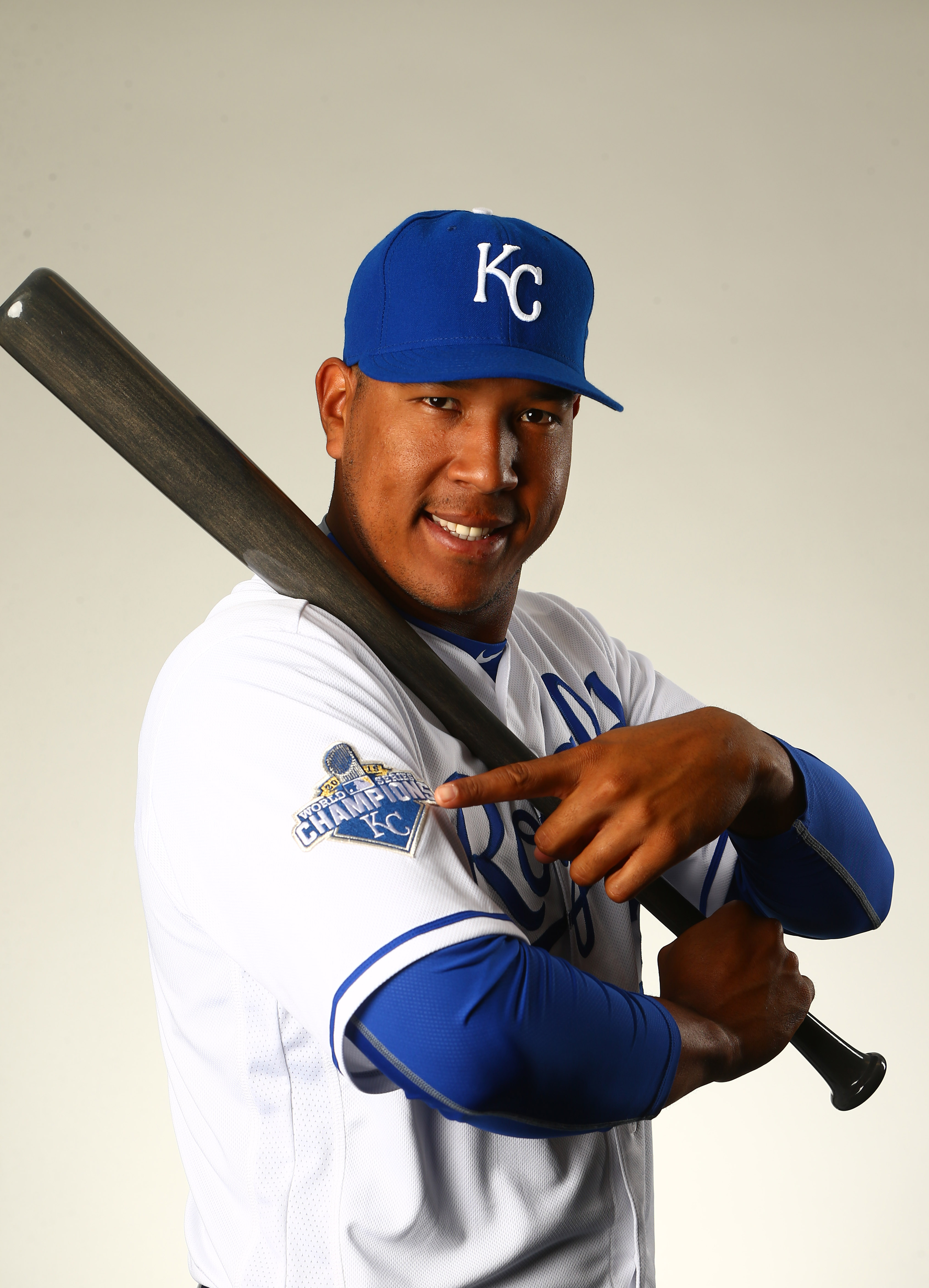
Al Avila Discusses St. Thomas University: MLBTR College Series
MLBTR continues a series where we interview top baseball executives about their college years. We’ll ask about why those chose their school, memorable moments, their favorite professor, important connections made, college learnings they still use today, their path to a front office and more.
Thus far, we’ve already chatted with Cubs GM Jed Hoyer, Phillies GM Matt Klentak and Reds GM Dick Williams. Next up in our question-and-answer series is Detroit Tigers Executive Vice President, Baseball Operations and General Manager Al Avila – a graduate of St. Thomas University (Miami Gardens, FL).
* * * * *
Al, first off, thanks for talking to MLBTR. You have taken a different path than most – in that you played professionally before going to college. Can you talk about the initial college steps after your playing career?
“I went to St. Thomas University for both undergrad and graduate school. Both majors were the same – Sports Administration.”
How did you arrive at St. Thomas?
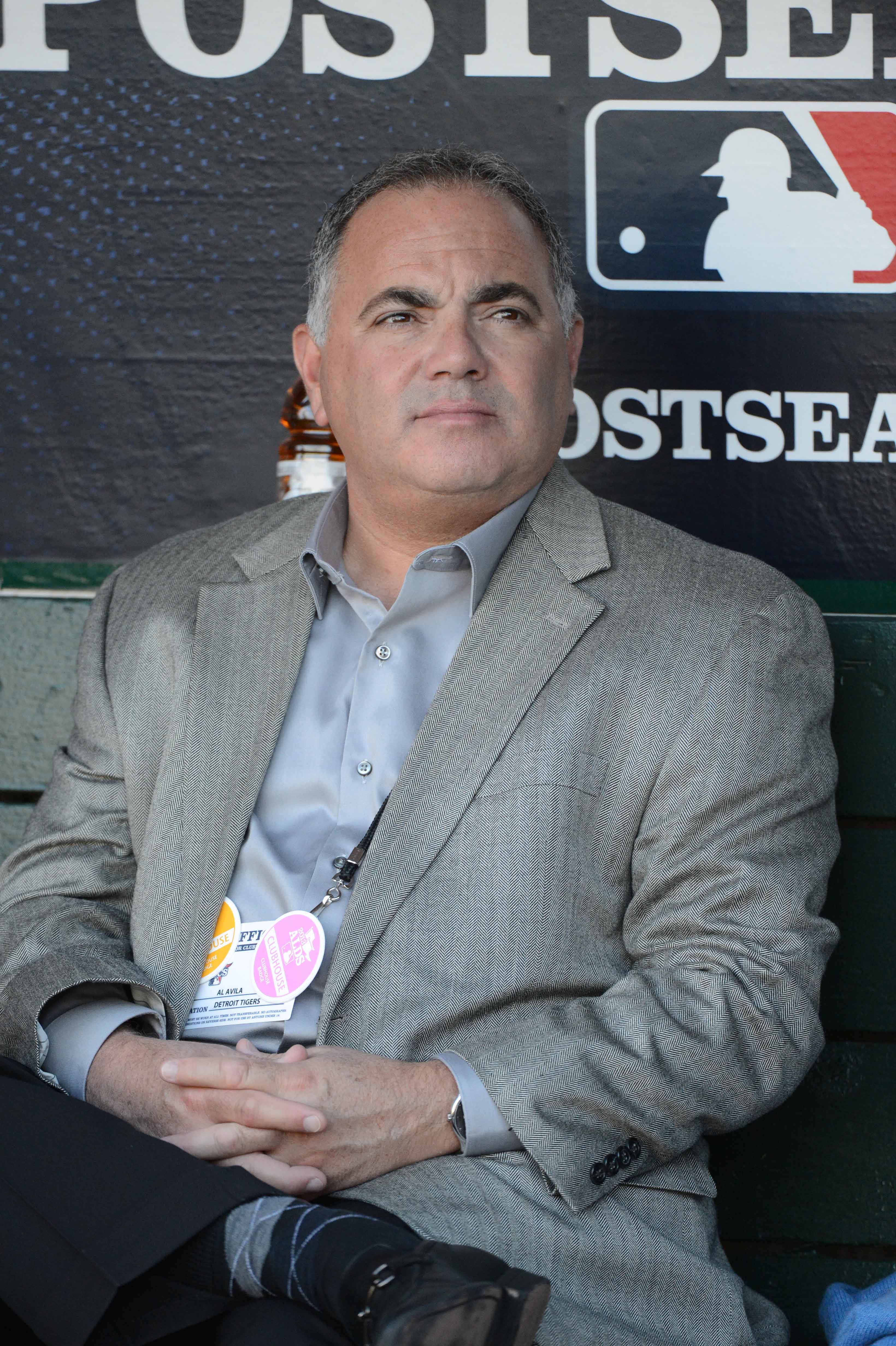
“I graduated high school when I was 17, and that fall I went to Miami-Dade Community College for a year. The following summer, I was signed by the Dodgers’ organization as a non-drafted free agent. I played with their rookie team, but was released the following spring. I didn’t go back to school until I was 24. I went to St. Thomas as a student and as a coach for the baseball team. The head baseball coach was Paul Mainieri – who is now the coach at LSU. So I went to school and worked for free as a coach. After I graduated, I did an internship with the Dodgers in Vero Beach during spring training of 1986. The Dodgers actually then sent me to Latin America to help out in the building of their baseball complex in Las Palmas (Dominican Republic). In 1987, I worked for the Daytona Beach Admirals, an expansion franchise in the Florida State League. That team didn’t last very long. Lucky for me, Paul Mainieri called me back and offered me a full-time assistant coaching job at St. Thomas University.”
So basically, once you got to college, you stayed in college for quite a while.
“Yes. I went back there working for him as an assistant coach. After the 1988 season, he got the head coaching job at the United States Air Force Academy, and the university hired me as their full-time baseball coach. The following year, they made me the athletics director. I was the athletics director and baseball coach there until I joined the Florida Marlins when they first came into existence.”
Can you tell me why you picked St. Thomas when you decided to go back to school?
“There were two reasons. First, they had the Sports Administration program. At that time, they were only the second school in the entire country with that program. The first one was at Ohio University. Back in those days, Sports Administration was pretty much a brand new program. Now, every school pretty much has it. Second, I grew up in the game. My dad (Ralph Avila) worked as a scout with the Dodgers. I played baseball; it just didn’t work out for me as a player. It was about the shortest career you could imagine. So in order to stay in the game, I felt I had to get that degree in Sports Administration. At the same time, what made it perfect for me was that Paul hired me as an assistant coach. I was able to get coaching experience at the college level. That, with the degree, helped me tremendously.”
Can you tell me about some of the other important connections you made at St. Thomas that led to your eventual front office career?
“Being in Miami, I established relationships with Ron Fraser at the University of Miami. I was around Don Shula, the Miami Dolphins coach, since St. Thomas University was their training camp – and Don had an office there. Those relationships helped me get my job with the Marlins. Ron Fraser was one of the guys helping spearhead trying to get a Major League franchise in South Florida. And Don Shula worked for (Dolphins owner) Wayne Huizenga, who was buying the Marlins. They both put in a good word for me. I had other relationships in the game, like Tommy Lasorda through my dad. Peter O’Malley was the Dodgers’ owner at the time – and I had interned with them. So I had some good references.”
While your biggest route to where you are now came on the college baseball field, can you tell me about things you learned in the classroom that apply to what you do today?
“At St. Thomas back in those days, they had a lot of adjunct professors who were in the sports business. At the time, there was a Miami Grand Prix, and they had people come in and do a class. There was a guy who worked for the Dolphins who was an adjunct professor there. We had a guy from CNN who was there. So we had people who worked in different parts of sports who came in to teach for a semester. They brought in people working in the sports industry who gave you a realistic perspective of the day-to-day operations of working in sports. A lot of it had to do with marketing … sales … budgeting … things of that nature. And we also learned the legal aspects of sports – another area that it was great to get familiarized with. And of course, communications. For me, the uniqueness of it was that Paul Mainieri also taught a Sports Administration class. So I was on the field as a coach and going to school at the same time – which was very helpful. Then, when I became the athletics director, I gained actual work experience in budgeting, hiring and firing, and managing people. And as a baseball coach, I was recruiting players and coaching players. All those things were huge for me in building up the experience needed to run a department.”
Do you ever get back to visit your alma mater?
“It just so happened that we opened this season in Miami, so it was a homecoming for me. When I was there, St. Thomas University reached out to me. They want to put me in their Hall of Fame. I haven’t talked to them yet about it, but I’d like to think I’ll be going back there in the fall for that.”
Your road to being the Tigers’ general manager is pretty different from just about everyone else in the game. You have a different perspective than most. What type of advice do you give students who are looking to one day work in a Major League front office?
“I get asked that a lot. One thing I tell people is that everybody’s path is different, period. Not one path is the same. The biggest thing I can tell people is … whatever job you can get – go get it, and do that job as if it were your first and last job and the job you want to do forever. What you leave behind in that job is going to dictate the next job – and if you’re going to get the next job. My first internship was with the Vero Beach Dodgers – but I also helped in media relations with the big league club during spring training. After that, I worked at Daytona Beach. That job didn’t have anything to do with baseball operations; it dealt with sales, marketing, ticket operations, and the day-to-day operations of running a minor league baseball team. I wanted to be on the field, but that was my start – and that’s what I did. And I was lucky I did that. A couple years later, Paul (Mainieri) asked me to come back to coach. What I initially told Paul was I didn’t want to coach in college; I wanted to work in pro baseball. Paul said, ‘Hey listen, you don’t know how things will work out. I could be moving on, and you can be the head coach of this school someday. Or, this job can lead to another job – like scouting. So you don’t know where this job will take you.’ I took his advice and took the job. And I loved it. It was probably the best job I had my entire life, as I thoroughly enjoyed coaching in college. I tell people that I didn’t plan on being a college coach. I didn’t plan on working in minor league baseball selling advertising. I didn’t plan for it. I just took the route where the door was open – that’s the route I took. Wherever you go, work your butt off. Don’t go there as a stepping stone job. Work it like it’s your last job. And if you do a great job, people will take notice.”
What other advice can you give?
“What people call networking – to me, it came natural. In college and the jobs I had, I just met people. You don’t have to send out 100 letters and 100 emails. Go out and meet people. That’s how relationships are established. And when the timing is right, things will happen. You can’t force timing. Just put yourself in a position where someone will want to hire you when the timing is right. I know how hard it is to get a job. I’m 57 years old. You see how fast and how young some of these guys are who have become GMs. I’m the opposite. It took me a long time.”
But you earned it.
“That’s right. And I can say Paul Mainieri really helped me the most. It was tough going back to school at an older age. I was already married. My wife was working. I wasn’t making any money. The beginnings were very humble and there was a lot of sacrifice. Sometimes you started to think, ‘Where is this taking me? Where is it going? Is it all worth it? And Paul was very helpful to me – almost as a mentor, and he’s only a couple years older than me. He was always very helpful, always very encouraging, always teaching. Having a guy like that was very important – and he helped me a lot. And his dad was the same. Doc Mainieri helped many people in the same way during his long tenure at Miami-Dade, guys like Jim Hendry and Randy Bush, to name a couple.”
Safe to say your college experience is a little more unique than most of your colleagues.
“Everybody gets to different positions in a different way. No two routes are the same.”
* * * * *
Chuck Wasserstrom spent 25 years in the Chicago Cubs’ front office – 16 in Media Relations and nine in Baseball Operations. Now a freelance writer, his behind-the-scenes stories of his time in a big league front office can be found on www.chuckblogerstrom.com.
Photo courtesy of USA Today Sports Images
Kyle Lewis (Mercer University) Interview: Draft Prospect Q&A
MLBTR continues its Draft Prospect Q&A series in order to give our readers a look at some of the top names on the board in this year’s draft. MLBTR will be chatting with some of the draft’s most well-regarded prospects as they prepare for the 2016 draft on June 9-11; we’ve already spoken with Oklahoma’s Alec Hansen and Louisville’s Corey Ray.
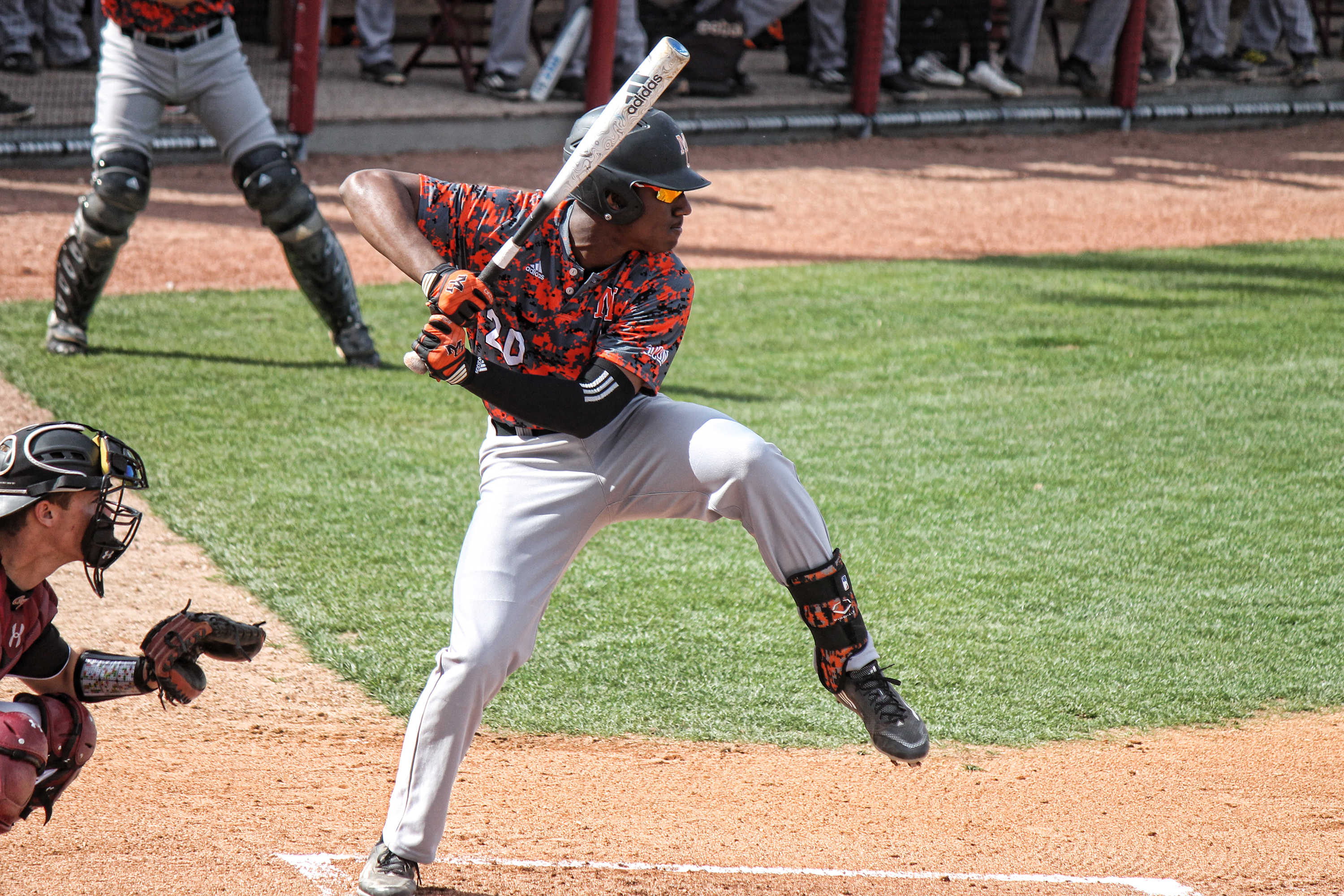
Centerfielder Kyle Lewis is doing everything he can to put himself and Mercer University on the baseball map. The 6’4”, 210-pound junior has scouts flocking to Macon, GA, to watch the Southern Conference star play – and was named to the Golden Spikes Midseason Watch List this week.
Undrafted out of high school, the Snellville, GA, product burst onto the scene during the summer of 2014 by earning Great Lakes League Player of the Year honors. Last year, he nearly won the Southern Conference Triple Crown (batting .367 with 17 homers and 56 RBI) before putting together a stellar summer in the Cape Cod League.
Lewis entered the 2016 season ranking as the No. 8 overall prospect for the draft according to both MLB.com and Baseball America. Last week, ESPN.com’s Keith Law listed him as the seventh-best prospect for the draft, calling him “an athletic centerfielder with real power in his wrists. That’s a rarity in the draft for a position player who projects to stay up the middle.”
Lewis began this week ranking in the national Top 5 in homers, total bases, RBI, slugging percentage, walks, on-base percentage, runs scored and batting average. He took some time out of his busy schedule to talk with MLBTR:
Chuck Wasserstrom: Let’s start out by talking about Mercer – which isn’t exactly a baseball hotbed. You have the chance to become the first 1st-round pick in school history. Is that important to you?
Kyle Lewis: “Yes it is. It would be something exciting to say that I came from a small school and accomplish that type of thing. I take a lot of pride in being able to represent my school and be one of the faces for the school. So that would be something definitely exciting for me.”
Can you tell me a little bit about your baseball background? You went undrafted out of high school. Is it safe to say you played other sports growing up?
“I played baseball, but I played a lot more basketball. That was kind of my big thing – playing basketball coming up. I played baseball as well during the season, but I never played any summer baseball or anything like that until going into my senior year of high school. That year, I played my first year of full travel baseball – and I was able to have some success in that. So going into my senior year, I started picking up training and things like that in order to start working on my skills and be able to pursue a college scholarship and potentially get drafted.”
What types of things were you doing during the summer instead of playing travel baseball?
“I played basketball in the summer time. So I had to make a choice which one I wanted to play in college. After talking to some people around the baseball world, they told me if I was to practice more year-round and hone in on my skills, that I’d be able to be a pretty good player. That’s when I decided to commit to it.”
You had decisions to make in high school between pursuing paths in either basketball or baseball. How serious were you about going the basketball route in college?
“We had received interest calls in basketball. The Naval Academy was one of the bigger ones who wanted me to play for them. I did some workouts for mid-major schools. But after the season I went ahead and told my basketball coach to cancel those. At that point, I wanted to concentrate on baseball.”
So now you’ve decided you were going to play baseball in college. What other schools were showing you interest?
“Furman … Georgia State … Kennesaw State … Savannah State … and the University of Miami came on kind of late.”
It sounds like mostly schools closer to home.
“It was just a lot of local schools. By the time I got on the scene, most schools were already working on their next class and were done with my class. So it was tough to get interest from the major schools unless I would pursue a walk-on spot. But I wanted the scholarship, so I settled for the mid-major.”
Nothing wrong with that. You had your opportunity and ran with it.
“I tried to go where I’d be able to play and be able to get on the field and be a priority guy. That’s the biggest thing as far as picking a college. Where are you going to be able to learn and be able to pick up on stuff? Where are you going to be able to play? And I felt like Mercer presented a good opportunity for that as well as being able to potentially make regionals and play on a national stage.”
Your freshman year, you went through the typical first-year growing pains. Then things kind of exploded for you last year – and you never looked back. What happened?
“Going into my freshman year, I had to learn to sit on the bench and watch. I never had to do that before. A lot of that stuff was a mental challenge for me. I had to figure out how to learn and how to observe games from the sideline. I had to figure out what to do when my number was called. I got a lot of pinch-hit opportunities and a lot of pinch-running opportunities. Towards the end of the year, I started to figure it out – and I was able to start the last ten games. Going into that summer, I had a lot of momentum – and I was able to carry that momentum into the summer. I played in the Great Lakes League after my freshman year, and I was able to do really well up there. And I got called up to the Cape Cod League to play in the playoffs. That just gave me the confidence that I needed going into my sophomore year – when you saw the explosion.”
I’d have to think that sitting and watching as a freshman helped you learn the game, although I’m guessing you hated it at the time.
“(Laughing) Yeah, yeah, yeah. I definitely hated it. But from talking to people and talking to my family, they just said I should just see what guys ahead of you are doing that you’re not doing. Or what are they doing as far as preparation and extra work and things like that. And I was fortunate to watch a lineup full of seniors, so I was able to look up to guys who were 23 years old and had been through it. And they had made it to regionals. I was able to pick up on their tendencies and see what they do, and I was able to apply it to my own game.”
Growing up in Georgia, were you a big Braves fan?
“Yes I was – back when they had Andruw Jones and Chipper Jones.”
Those were your guys?
“Those were definitely my guys.”
Anybody growing up that you tried to model yourself after?
“The biggest person in high school that I watched was Adam Jones. I started watching him my junior year … just sit there watching YouTube videos of him. Then I’d try to embody myself after that as much as I could. I like the way he plays. I like the way he carries himself.”
Is he someone you want to be compared to?
“I think it’s kind of comparable as far as an athletic centerfielder with a smooth swing. I wouldn’t say that I try to be exactly like him, because I want to be my own person. But I can say that would be a nice comparison to have.”
I’ve also seen you called a right-handed version of Jason Heyward.
“I can see that. I like to take pride in my defense as well, and I think it’s overlooked sometimes. But I definitely take pride in my defense.”
[Continue reading after the break for more.]
Photo courtesy of Mercer University.
Matt Klentak Discusses Dartmouth College: MLBTR College Series
MLBTR continues a series of interviews with top baseball executives about their college years. We’ll ask about why those chose their school, memorable moments, their favorite professor, important connections made, college learnings they still use today, etc.
We’ve already spoken to Reds GM Dick Williams and Cubs GM Jed Hoyer. Next up in our question-and-answer series is Philadelphia Phillies Vice President and General Manager Matt Klentak – a graduate of Dartmouth College.
* * * * *
Matt, thanks for talking to MLBTR. You earned an economics degree from Dartmouth College in 2002. Why did you choose Dartmouth?
“There were a few things about Dartmouth that jumped out right away. No. 1, just walking around campus – it’s one of the most beautiful campuses in the country. On top of that, it obviously had a very strong academic reputation. And Coach (Bob) Whalen did an excellent job recruiting me and selling me on their baseball program. So it was really a combination of the three factors – the campus and the community environment, the academics, and the baseball program.”
What other schools were you considering?
“I looked at a few different schools. I initially looked at some schools down south with top baseball programs, but I ultimately realized I wasn’t going to play much there. I might have been able to go there and make the team, but I wasn’t going to see a lot of action on the field. Once I realized that, I started to shift my focus to programs in the northeast where I might be able to play more regularly. I looked at a variety of the schools in the northeast, but ultimately settled on Dartmouth.”
Being in an Ivy League school, academics definitely took precedence over athletics. What was it like playing in that type of an environment – where it was school first?
“My dad always talked to me about the fact that baseball wasn’t – by itself – going to open up doors for me. It was going to be a combination of baseball and academics. He said it to encourage me to take school seriously back in junior high and high school. It turned out that he was right. Ultimately, my success at Dartmouth was a combination of baseball and academics. Managing the Dartmouth workload and playing Division I baseball – that was a challenge. It really forced the student-athletes to be disciplined and to prioritize their time management. The academic demands required a great deal of studying and homework. And the baseball program had its own demands. But I think that the student-athletes learned about the importance of time management.”
Thinking back to your freshman campaign, what do you remember about your first year on campus?
“It was exciting. It was the first time I was living away from home, and everything was new. Meeting lots of new people. Learning about what it takes to play baseball at the Division I level. Learning how to manage academics and baseball at the same time. Everything was new. Everything was exciting. And there were challenges you were facing for the first time in your life that you never experienced living at home. Ultimately, it can be very satisfying when you find you achieved some success.”
You earned your degree in economics, and that has suited you well in baseball. If you had to choose all over again, would that have been your major – or would you have gone another route?
“I think I would have chosen economics. I think any major is going to teach a student to think critically and to improve their writing skills. There were a lot of majors that would have interested me. I think economics was the right balance for me of objective thinking and mathematics. It was the right balance for my interests and my skill set.”
What important connections did you make at Dartmouth that helped you as moved forward into a baseball career?
“First and foremost, I’m still to this day very close to my college coach, Bob Whalen – and I stay in touch with him. Whenever I can, I get out to see the Dartmouth baseball team play. While I was there, I was teammates with Bryn Alderson – who works for the Mets. His father is Sandy Alderson. I had a chance to get to know the Alderson family, and they have been helpful to me in my baseball career. I met Jim Beattie while I was there; at the time, he was a general manager. As importantly as anything, I became friends – and in many cases, best friends – with my teammates, who I’m still in touch with to this day. A number of them work in the baseball industry.”
Any players on opposing teams that you came across that went on to become important connections for you?
“There’s a nice group of baseball executives that played in the Ivy League at the same time. I’m not trying to just name GMs, but there’s (Colorado GM) Jeff Bridich, who played at Harvard. (Cleveland GM) Mike Chernoff played at Princeton. (Oakland GM) David Forst was at Harvard. (Boston GM) Mike Hazen was at Princeton. (Oakland assistant GM) Dan Kantrovitz was at Brown. And (MLB senior VP) Peter Woodfork was at Harvard as well. That’s a pretty good group.”
***Read more after the break …
Alec Hansen (Oklahoma) Interview: Draft Prospect Q&A
MLBTR continues its Draft Prospect Q&A series, which gives readers a look at some of the top names on the board in this year’s draft. MLBTR will be chatting with some of the draft’s most well-regarded prospects as they prepare for the 2016 draft on June 9-11.
University of Oklahoma right-handed pitcher Alec Hansen hasn’t played up to his potential in 2016, but remains an intriguing prospect. At the beginning of the spring, he was rated third on MLB.com’s Draft Prospect Watch and No. 9 on Baseball America’s Top 100 in March. But ESPN’s Keith Law recently wrote that “Hansen was a potential 1-1 guy (top draft pick) going into the school year, missed fall ball with a forearm injury, lost his rotation spot after a dismal start to the season and now could slip out of the first round.”
Hansen says he’s healthy – and that his junior year struggles could turn out to be a blessing in disguise. He’s still going through the growing pains of pitching – as he’s still getting bigger. Despite an uneven season, teams are interested in pitchers who stand 6-foot-8 and can throw 99 MPH. He took some time out of his busy schedule to talk with MLBTR earlier this week and was honest about his 2016 campaign – after a little family talk:
Chuck Wasserstrom: I’m going to start out by throwing some names at you. Nick Hansen swam at Iowa State and later coached at Wisconsin. Debbie Hansen swam at Wisconsin. Eric Hansen swam at Iowa State and later coached at the University of Arizona. Brooke Hansen is a freshman swimmer at Texas. Obviously, if Dad, Mom, Uncle and Sister have all done it, then it’s a family business. How did you miss out on that?
Alec Hansen: “I was a big-time swimmer growing up, and when I got to middle school I was playing other travel sports, too. I started liking the other sports better. I played baseball. I played basketball. I played football. Swimming was one of those sports where it’s the same thing every day. It was monotonous. So by the time I was in middle school I just was more interested in football, basketball and baseball.”
Back in 2013, you were selected by the Rockies in the 25th round of the draft, but you’re the son of a pair of one-time Division I athletes. Was there ever really a chance you would have turned pro, or did Mom and Dad sort of make it a slam dunk that you would be going to college?
“With them both being college athletes, they got to experience it. That’s what they wanted for me – to experience going to college and being part of a team. That’s why they wanted me to go to college. That’s an experience that lasts a lifetime, and you learn a lot from it. I’m really glad that I went to college after high school. Especially OU. I love OU.”
Did you really give much consideration about signing out of high school?
“I talked to my parents about it. We came up with an amount of money that – if I got that offer – that I should take it and play professionally. It would have been worth it if I got that much money. If I didn’t that offer, I would go to school. I didn’t get the amount of money that I was asking for, so I went to school. Now that I went to school, I see why they wanted me to go to college. Now that I look back at it, I should have asked for even more money, because you can’t put a dollar amount on the experience and the people you meet in college.”

Why did you pick Oklahoma?
“Of all the choices I had, the one that stood out to me was Oklahoma. It was a school that I always liked and wanted to go to growing up. Things just fell into place and worked out. Once I came out and visited OU, I made my decision pretty quickly.”
Turning to 2016 … obviously, this hasn’t been the easiest year for you.
“Not everything is always perfect. I’m not a person who gets too up or down about anything in life. Yes, it’s been frustrating. But it hasn’t changed who I am. I still work hard. I know this is all a process, and I’m still going to get a lot of opportunities to develop. My overall goal is not to be a first-round draft pick … it’s to make it to the big leagues.”
Can you talk about this year, and how much you’ll be able to grow off it?
“I think this is just something a lot of guys go through at any level. I know it happens at the professional level. You have expectations, but you’re not performing. It just becomes a battle – and you have to learn to overcome it. Maybe this could be a blessing in disguise. It could be a good thing for me. I haven’t pitched a lot now, so I’ll be able to go out and throw a lot this summer.”
I’d like to talk about your game a little bit. The scouting report is a plus fastball sitting 94-97 and touching 99, plus slider, above average curveball, makings of average changeup. How accurate would you call that report?
“I’d call that accurate. I’ve always thrown hard. My off-speed has always been pretty good. It’s just a matter of putting it all together. I think the more opportunities and experience I get to pitch in game settings, then it will all fall into place.”
[Continue reading after the break for more.]
Photo courtesy of OU Athletics Communications.
Jed Hoyer Discusses Wesleyan University: MLBTR College Series
MLBTR continues a series where we interview top baseball executives about their college years. We’ll ask about why those chose their school, memorable moments, their favorite professor, important connections made, college learnings they still use today, and more.
We’ve already spoken to Reds GM Dick Williams, and next up in our question-and-answer series is Chicago Cubs Executive Vice President and General Manager Jed Hoyer – a graduate of Wesleyan University (Middletown, CT).
* * * * *
Hi Jed, thanks for taking the time to speak with MLBTR. You have a little different path than some others, as you were an athlete, pitcher AND pitching coach at Wesleyan University. What led you to Wesleyan?
“The over-arching goal of my college search was to combine three factors – great academics, the ability to continue playing baseball, and a campus environment that would broaden my limited horizons. I looked at a lot of different schools and the best combination of those factors was Wesleyan. In hindsight, I was less intense and strategic about that decision than I would have been later in life. I simply had a great feel for the school, loved my interactions with the baseball coach (Pete Kostacopoulos), and could picture myself on campus. I had a wonderful four years at Wesleyan and will always be thankful that my instincts were right.”
When you look back at your Wesleyan days, what special moments can you share?
“My favorite moments from Wesleyan come from our baseball team my sophomore year. We advanced to the (Division III) College World Series and ended up losing in the national title game to Jarrod Washburn (Wisconsin-Oshkosh). Despite the disappointment of losing at the end, it was an incredible experience. We were already a close-knit group, but the intensity of the postseason that year only brought us all closer.”
I’m going to get to some student-athlete questions, starting with the academic side. But first, can you tell me about your immediate post-graduate career? I know you initially stayed in school, so to speak.
“My first job after college, I worked as an assistant director of admissions at Kenyon College (Gambier, OH). I also was an assistant baseball coach. I left Kenyon after a year and returned to Wesleyan in a similar capacity. I was really fortunate that my bosses at both schools allowed me the time away from the office to coach. At the time, I simply did it because I wanted to stay on the field. In hindsight, it was an invaluable experience for me to learn about the game from a different angle. I had never thought about how to teach fundamentals or how to motivate players prior to coaching. The three years I spent coaching has benefited me in ways I never would have imagined at the time.”
What was your college major?
“American History.”
I didn’t know that! Have you been able to apply your major to baseball?
“I loved being a history major. I loved the professors I had. I really enjoyed the reading material. Even today, if I get a chance to sit down and read a book, I’m going to grab a biography or something about a historical period. But I will say if I knew I’d be where I’m sitting right now, I certainly would have angled myself more towards economics or something more quantitative. I do think that’s important when you start your life after college to know that every move you make doesn’t have to be planned so specifically. I was kind of referencing that before in regards to coaching. I coached baseball because I loved being out there, and I wanted to stay involved with the game. It gave me an awesome perspective on the game that I never had. I worked for a couple consulting firms later on, and that really helped me learn how to build business models and advanced my quantitative skills. I think every job I’ve had has provided me with different skills or knowledge that I can use every day in baseball.”
You might have a different perspective on this question as a former admissions official and former coach. What advice do you give high school and college students who want to work in a front office someday?
“I always tell aspiring baseball people the same thing – get involved in baseball in every way you possibly can. For me, it was playing until I wasn’t good enough to play anymore and then coaching. Baseball was my athletic love, and now I’m fortunate enough to be able to come to work every day and apply that. Ultimately, when I come into work, my entire day is spent dealing with baseball in various forms – whether it’s contractual, whether it’s rules, whether it’s player evaluation. Sports science … analytic stuff … whatever it might be, it’s all baseball all day. If you don’t absolutely love baseball, this is never going to work for you.”
Were there lessons you learned at Wesleyan that you utilize today as part of this day-to-day routine?
“I think the two things that come to mind right away are – No. 1, there’s nothing better than team sports. The camaraderie that’s built among a group of people fighting for a common goal is really something special. I know I experienced that playing in college. I don’t think that’s any different when you’re getting paid to play in the big leagues. Creating a great culture in the clubhouse, getting everyone pulling in the same direction, there’s no doubt that the teams that do that best have a big advantage. The second thing, on a more academic level, is that lifelong learning is something that’s exceptionally important. The most impressive thing about Wesleyan to me was that there was this eclectic group of intellectually curious 19-22 year olds– and those were the type of people I wanted to be around on a day-to-day basis. The school was filled with people that are constantly learning, always curious, and consistently pushing the boundaries. Those are the type of people I wanted to be surrounded by when I was 20 and they are the same people I want to fill our front office with at 42.”
As you reflect back on Wesleyan and being a student there, did you have a favorite professor?
“The most vivid memory of the classroom at Wesleyan – and I think back on this quite a bit – there was a professor named Richard Slotkin, and he taught American Literature. His classes were incredibly hard to get into because he was such an amazing lecturer. I remember sitting in his lectures and thinking … I hope someday I can be as good at my job and as passionate about my job and as knowledgeable about the field of study as this guy is. Candidly, I think I’m still trying to get there. I think it’s great when you see anyone in any walk of life that so dominates their field – and you can tell that it brings them so much joy to share it.”
Baseball-wise, did you make any important connections at Wesleyan that helped you in your baseball career?
“Ben Cherington played at Amherst, and they were our rival. My closest friend from high school played at Amherst with Ben, so I got to know those guys very well. It was a really fun and great rivalry. When I tried to get an internship with the Red Sox a few years later, the connection with Ben really helped me. Ben is an incredible talent. I was really fortunate to get to know him at age 19 in a setting that neither of us ever would have imagined would have led to a professional relationship and friendship.”
You set Wesleyan’s all-time school saves record – and were also the everyday shortstop. Can you talk about your playing days?
“If I had any strength in baseball at all, it was that I was really versatile. My sophomore year, I played left field and was the closer. My junior year, I played shortstop, was a starting pitcher, and even played catcher a few games when our catcher got hurt. My senior year, I played shortstop and was the closer. In general, I felt comfortable moving around the diamond. I knew I wasn’t going to play in the big leagues. I was self-aware enough to realize that. I played in the Cape Cod League after my junior year and was teammates with Mark DeRosa, John McDonald and Dan Reichert. It was a great experience and also a humbling experience. I realized that if I was going to have a future in baseball, it wasn’t going to be playing on TV.”
Do you ever get a chance to go back to visit campus?
“I’m actually going back soon. My 20th reunion is in the middle of May, so I’m going back for that – which will be fun. When I was with the Red Sox, I went back often; it was only a three-hour drive. I could get down there for a game or to visit people. But after I left the Red Sox, I haven’t been back since. I’m excited to be back on campus.”
Final question, as we tie together your college major and your professional career. Did obtaining a history degree pique your interest in learning more about the histories of the Red Sox and the Cubs?
“No doubt. I’ve been fortunate that two of the three teams I’ve worked for have incredibly rich, deep histories. Those two teams are more than just baseball teams to their cultures … they’re a way of life that’s passed down generation to generation. I think I’d be doing a disservice to the job if I didn’t completely embrace the history of the Red Sox or the Cubs. There are so many similarities between the two teams. The Red Sox ended their long suffering. Now we get the incredible opportunity to try to do the same thing in Chicago.”
– – –
Chuck Wasserstrom spent 25 years in the Chicago Cubs’ front office – 16 in Media Relations and nine in Baseball Operations. Now a freelance writer, his behind-the-scenes stories of his time in a big league front office can be found on www.chuckblogerstrom.com.
Photo courtesy of USA Today Sports Images.
Bullpen Decisions That Have Potentially Impacted Earning Power
The 2016 season is still rather young, but decisions made late in Spring Training or early in the year can have lasting impact not only on a team’s results but also on the long-term earning power of players who find themselves in new roles due to injury or poor performance. This is perhaps most true when looking in the bullpen, where middle relievers are modestly compensated in arbitration (and, to a lesser extent, free agency) while their ninth-inning brethren receive significantly higher salaries due to the accumulation of saves. This past winter, we saw significant paydays for Trevor Rosenthal ($5.6MM), Hector Rondon ($4.2MM), Cody Allen ($4.15MM), Jeurys Familia ($4.1MM) and Shawn Tolleson ($3.275MM) 1in each reliever’s first trip through arbitration. Liken those figures to the arbitration salaries awarded to quality middle-relief/setup options like Justin Wilson ($1.525MM) and Bryan Morris ($1.35MM), and it’s clear that the ninth inning comes with clear financial benefit for relief arms. Even Allen’s setup man, Bryan Shaw, took home $2.75MM in his second trip through arbitration. Granted, many of the closers listed also possess gaudy strikeout rates, which do help to improve their earning capacity, but the saves are the most notable factor working in the favor of closers over setup men.
With all of that said, let’s take a look at a few early bullpen shifts that have bolstered (or, in some cases, hindered) the earning power for relievers around the game…
- Arodys Vizcaino, Braves: Jason Grilli opened the 2015 season as Atlanta’s closer and pitched well in that role until an Achilles injury ended his season. Vizcaino stepped into the ninth inning and performed quite well in his stead, and while Grilli received the Braves’ first save opp of 2016, it took one blown save for Vizcaino to move up the ladder. Vizcaino is earning just under $900K as a Super Two player this season, but if he can add a full season’s worth of saves to the nine that he tallied last year, he’ll have a case for a markedly improved salary in his second trip through arb this winter.
- Ken Giles, Astros: Conversely, the Astros’ decision to put Giles in the eighth inning after parting with a steep package to acquire him this offseason was a surprise to many. Houston’s decision has looked wise early on as Giles has struggled with home runs, but his troubles don’t figure to last long based on his track record and a strong 9-to-1 K/BB ratio through his first six appearances. Had Giles been placed into the ninth inning right away, he’d have hit arbitration following the 2017 season with nearly three full seasons as a closer under his belt and potentially had a case to top Rosenthal’s first-time record. Keeping him in the eighth inning could keep his future arbitration earnings more manageable and also allows manager A.J. Hinch to use him in higher-leverage situations as opposed to holding out for the ninth inning, as many managers tend to do with their best relievers.
- Jeremy Jeffress, Brewers: The 28-year-old Jeffress was originally slated to share the ninth inning with Will Smith, but when Smith suffered a torn LCL in Spring Training, Jeffress received sole ownership of the ninth inning and has run with it through the first two weeks of the season. A full year of saves won’t get him into Rosenthal territory, but Jeffress could compare nicely with Tolleson if he holds onto the ninth inning all season. Smith, of course, is still attempting to return, but it’s easy enough to imagine Jeffress simply holding onto the ninth, if he’s pitching well, even if Smith proved able to pitch in 2016. Jeffress arbitration eligible for the first time in the 2016-17 offseason.
- Jeanmar Gomez, Phillies: The 28-year-old received a save opp only after David Hernandez and Dalier Hinojosa blew their first opportunities, but he’s converted on four straight since getting his first chance. Gomez doesn’t have the traditional high strikeout rates or hard velocity that come with most closers, but he’s been an effective reliever and could cash in significantly this winter if the Phillies entrust him with ninth-inning duties all year. Gomez personifies the lack of earning power for low-leverage middle relievers; he’s earning $1.4MM this season after his second trip through arbitration despite a combined 3.19 ERA in 217 1/3 relief innings across the past three seasons. The Phillies ‘pen could be the biggest carousel of any listed here (or of any in MLB), so perhaps Gomez’s mention here merits the “barring a change” caveat more than any of the others. For now, the ninth inning appears to be his, though.
- Roberto Osuna/Drew Storen, Blue Jays: Toronto went the opposite route of the Astros, allowing their excellent young reliever to continue to pitch in the ninth inning despite having an experienced veteran alternative in Storen. Assuming he holds the job and isn’t sent down to the minors at any point, Osuna will hit arbitration following the 2017 season with three seasons’ worth of saves under his belt. That’s a recipe for a significant payday, but the Jays opted not to tinker with a role that worked quite well for Osuna in 2015. I listed Storen also due to the fact that while the impact on free agency is lesser, there’s no doubt that he’d have had a more compelling free agent case this coming winter were he coming off a full season as a closer. Instead, he’s slated to hit the open market one and a half seasons removed from his most recent ninth-inning work.
- Kevin Jepsen, Twins: Jepsen is in the ninth inning out of necessity for the Twins following another injury to Glen Perkins. There’s no timetable on Perkins’ return, and while Jepsen isn’t likely to stick in this role all season, another successful run as an interim closer — he filled this role quite well for the Twins last year when Perkins was also hurt — would be a nice added bonus to his free-agent stock this coming offseason.
Offseason In Review Series
Check out all of our Offseason In Review posts at the links below. We’ll update this post as more are published.
AL East
AL Central
AL West
NL East
NL Central
NL West
MLBTR Originals
Here’s a look back at MLBTR’s original analysis and reporting over the past seven days:
- Chuck Wasserstrom engaged in an in-depth and informative interview with Tyrone Brooks, the recently named Senior Director of MLB’s Front Office and Field Staff Diversity Pipeline Program. Brooks is at the helm of an effort “to help increase the pool of minority and women candidates for baseball operations positions.” The Brooks-led program starts people off in internships and entry-level positions as they work to climb the ladder toward more prominent jobs. Brooks can relate, having started his career in baseball as an intern with the Braves 20 years ago before ultimately becoming the Pirates’ director of baseball operations in 2009. He left the Bucs after last season to fill his current role.
- In the first edition of this year’s Draft Prospect Q&A series, Chuck spoke with University of Louisville center fielder Corey Ray. Baseball America recently projected Ray to go sixth overall in June’s amateur draft. The Mariners chose Ray in the 33rd round of the 2013 draft, but he instead went to college at the insistence of his father. Ray touched on how his time at Louisville has been key for his development, his upbringing in Chicago, and which past and present major leaguers he’d like to emulate, among other subjects.
- On this week’s edition of the MLBTR podcast, Jason Mastrodonato of the Boston Herald joined host Jeff Todd to discuss several Red Sox topics. MLBTR’s Steve Adams also hopped on to talk about the early season struggles of the Braves and Twins. A new episode of the podcast is released every Thursday and can be accessed on iTunes, SoundCloud, and Stitcher.
- Steve examined the Padres’ offseason, during which time the club took a much more guarded approach toward spending than it did a year earlier. Their most notable transaction was shipping elite closer Craig Kimbrel to the Red Sox for a prospect haul.
- Jeff took a look back at a Mets offseason that featured several beneficial moves, including the re-signing of star outfielder Yoenis Cespedes, on the heels of last year’s National League pennant.
- Steve also reviewed the Rangers’ offseason. After winning the AL West last season, Texas had a modest winter in terms of spending. Its biggest addition was outfielder and erstwhile shortstop Ian Desmond, who unexpectedly remained on the free agent market until late February. Of course, the Rangers’ thrifty offseason was sandwiched between the acquisition of expensive lefty Cole Hamels last summer and the pricey extension given to third baseman Adrian Beltre earlier this week.