MLBTR Originals
A look back at the original reporting and analysis found on MLBTR the last seven days:
- In the early stages of the offseason, free agents David Price, Johnny Cueto, and Jason Heyward all inked lucrative deals which included opt-out clauses. In January, Matt Swartz wrote an article for MLBTR to approximate the value of those clauses. Days ago, he offered his analysis of the opt-outs given to Yoenis Cespedes, Justin Upton, Scott Kazmir, Ian Kennedy, and Wei-Yin Chen. While many in baseball criticize teams for giving opt-out clauses, Swartz estimates that in these five deals, teams would have had to fork over about 10 to 15 percent more in a straight forward deal.
- In part one of his interview with Dave Stewart, Brett Ballantini spoke with the D’Backs GM about his eventful offseason. In Part II of the interview, Ballantini spoke with Stewart about his unusual path from player to powerful agent to general manager.
- The MLBTR Podcast last Thursday included play-by-play man Len Kasper on the Cubs and Ben Nicholson-Smith of Sportsnet.ca on the Blue Jays and the extension market.
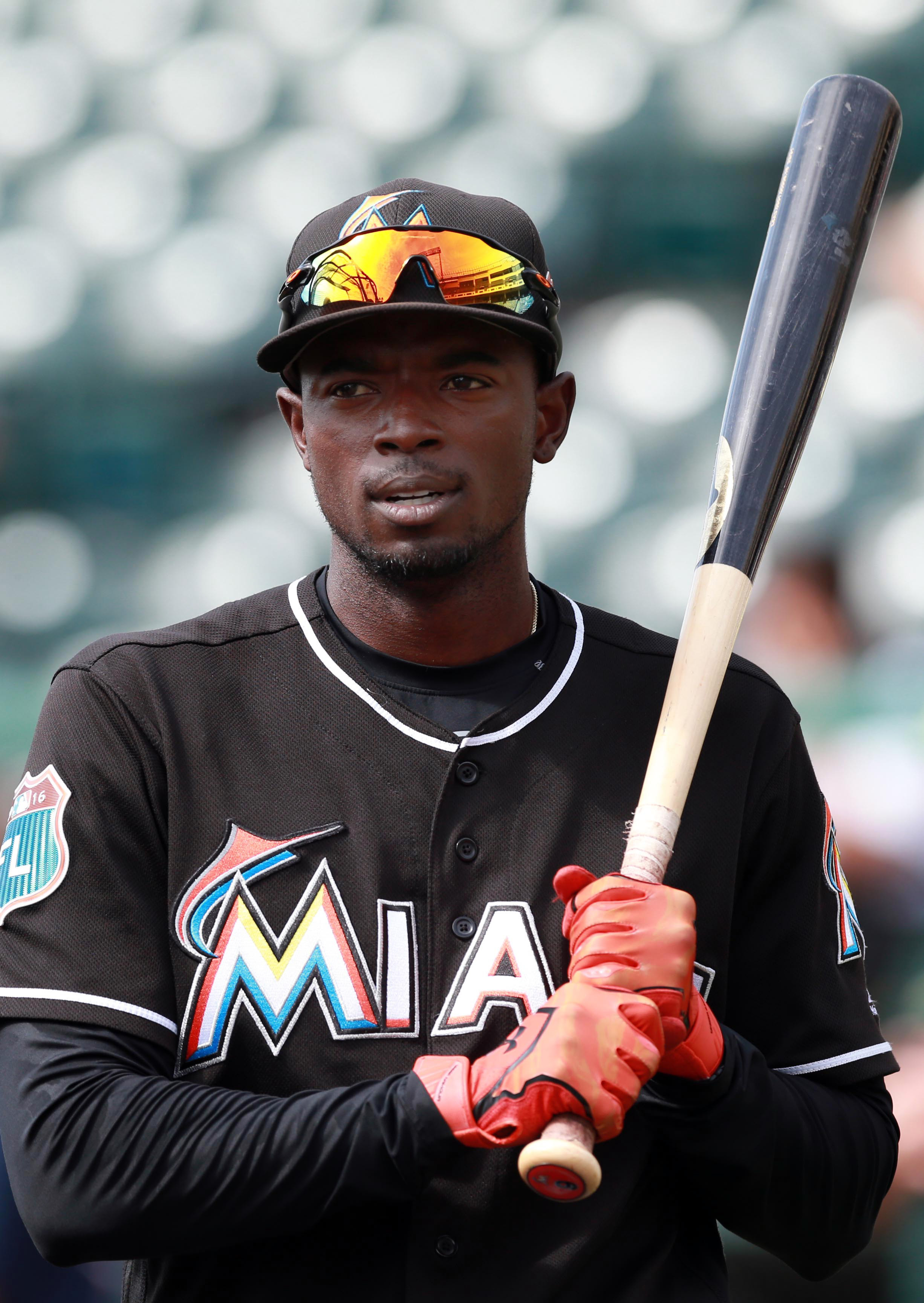
- Speaking of Chen, the Marlins laid out big bucks to land the left-hander. MLBTR’s Jeff Todd looked back on Miami’s offseason moves, including the Chen deal and Dee Gordon‘s extension.
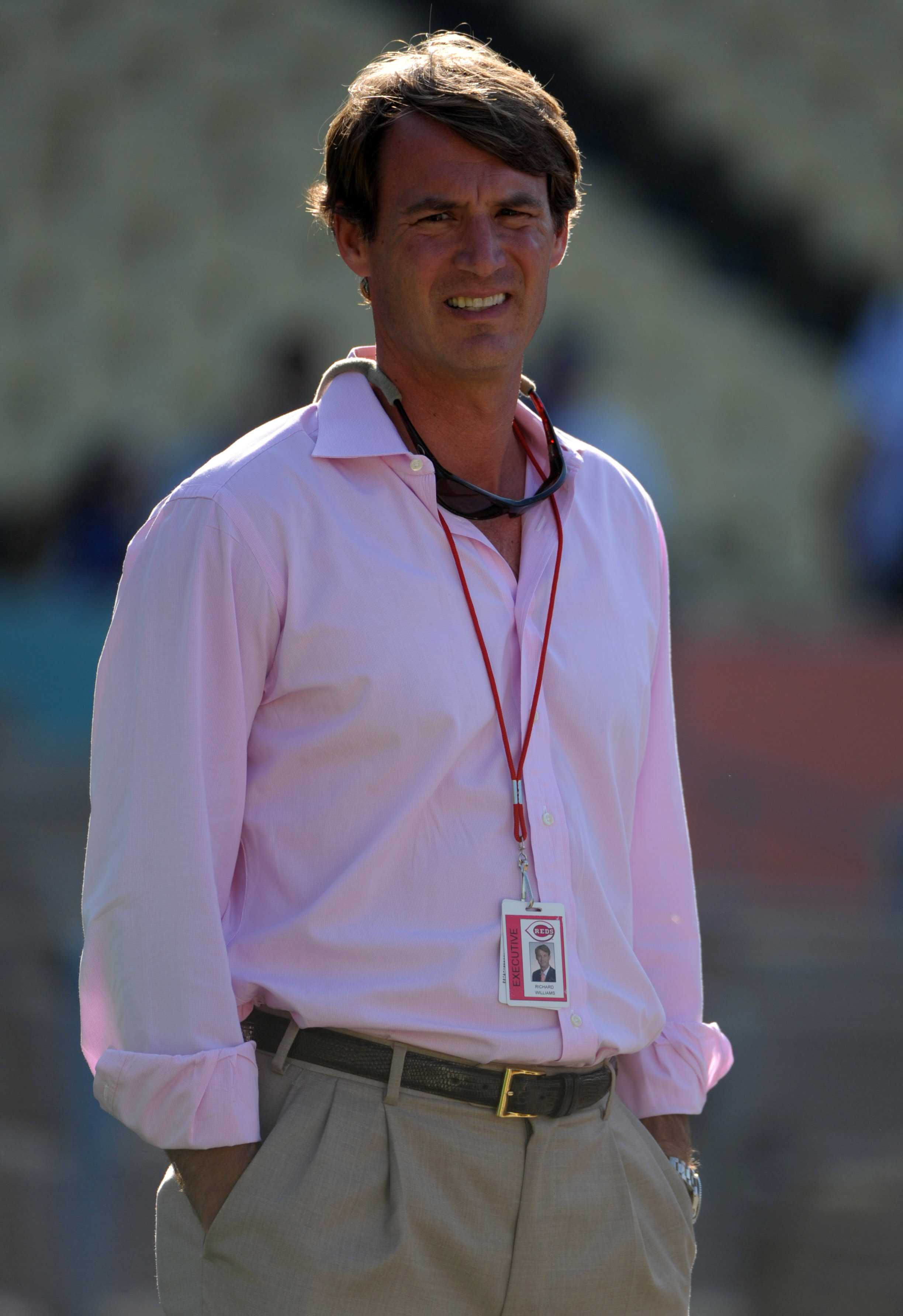
- To kickstart MLBTR’s brand new College Series, Chuck Wasserstrom interviewed Reds Senior Vice President/General Manager Dick Williams about his days at the University of Virginia.
- Charlie Wilmoth reflected on the Cardinals’ offseason including the loss of Heyward and John Lackey to a division rival. Will additions to rotation and bullpen be enough?
- Mark Polishuk analyzed the Yankees’ unlikely offseason. The infamous big spenders committed $0 to major league free agents. They did make a number of notable trades, acquiring Aroldis Chapman, Aaron Hicks, and Starlin Castro in three separate moves.
- Mark also offered his take on the Blue Jays offseason which began with an unexpected need to replace former GM Alex Anthopoulos after their most successful season in over two decades.
- On Saturday, MLBTR was the first to report that Alex Presley would not make the Brewers and has a 48-hour window to be signed elsewhere.
- On Sunday, MLBTR was the first to report on the deal sending Chris Leroux from the Phillies to the Blue Jays.
- MLBTR was also the first to report the Dodgers signing of reliever Dale Thayer to a minor league contract. Earlier in the week Thayer had opted out of a minors deal with the Orioles.
Blue Jays Acquire Chris Leroux From Phillies
4:20pm: Toronto announced that Leroux has been acquired from the Phillies in exchange for cash considerations. The 6’6″ hurler will pitch for Triple-A Buffalo.
3:34pm: The Blue Jays have acquired Chris Leroux from the Phillies, a source tells MLBTR (Twitter link). It’s not yet clear who and/or what will be going from Toronto to Philly in the swap.
The deal marks a homecoming of sorts for Leroux, who is a Montreal native. Leroux, who turns 32 later this month, last pitched in the big leagues in 2014 when he appeared in two games for the Yankees. Over parts of six big league seasons with the Marlins, Pirates, and Yankees, the hurler has a 6.03 ERA with 8.3 K/9 and 4.4 BB/9. In his 22-game stint with the Phillies’ Triple-A affiliate in 2015, Leroux posted a stronger stat line as he pitched to a 3.26 ERA with 5.9 K/9 and 2.8 BB/9.
In other Blue Jays news, the team signed Franklin Morales to a one-year, $2MM non-guaranteed deal over the weekend. And, on Friday, Mark Polishuk delivered a must-read in-depth recap of the Blue Jays’ offseason.
Dodgers Sign Dale Thayer To Minors Contract
The Dodgers have signed right-hander Dale Thayer to a minor league deal, MLBTR’s Tim Dierkes reports (via Twitter). Thayer became a free agent earlier this week when he opted out of a previous minor league contract with the Orioles. The righty is represented by O’Connell Sports Management.
2015 was a tough season for Thayer, as he posted a 4.06 ERA in 37 2/3 innings while posting the highest walk rate (3.6 BB/9) and lowest strikeout rate (6.0 K/9) of his career over a full season. He was outrighted off the Padres’ 40-man roster in August and he elected free agency after the season.
Thayer posted some strong numbers out of San Diego’s bullpen from 2012-14, including a 3.02 ERA, 8.3 K/9 and 3.46 K/BB rate over 188 innings. He spent his first two MLB seasons in Tampa Bay, so he’s a known quantity to Dodgers president of baseball operations Andrew Friedman. L.A. already has a pretty solid complement of right-handed relievers, though the club can probably use all the bullpen help it can get given the injuries in the rotation.
Alex Presley Will Not Make Brewers, Has 48-Hour Window To Be Added Elsewhere
Alex Presley has been told he will not make the Brewers‘ Opening Day roster, MLBTR has learned. There will now be a 48-hour period in which other teams can decide whether they want to add Presley to their active rosters, and if someone does, the Brewers must allow him to depart or assign him to their own active roster.
Presley hit well in Spring Training while competing for a Brewers outfield job as a non-roster invitee, batting .289/.396/.556 in 53 plate appearances, but the Brewers’ decision indicates that they prefer Keon Broxton and Kirk Nieuwenhuis, with whom he was competing for two available outfield jobs. Presley is a career .259/.299/.393 hitter in parts of six seasons with the Pirates, Twins and Astros. He played briefly for Houston last season, spending most of the year with Triple-A Fresno.
Offseason In Review: Toronto Blue Jays
This post is part of a series reviewing the offseasons of every team in baseball. You can find all of the posts published to date at this link.
The Blue Jays are counting on some new-yet-familiar pitching depth to help them make a return trip to the postseason.
Major League Signings
- J.A. Happ, SP: Three years, $36MM
- Marco Estrada, SP: Two years, $26MM
- Darwin Barney, 2B: One year, $1.05MM
- Gavin Floyd, SP: One year, $1MM
- Josh Thole, C: One year, $800K
- Total spend: $64.85MM
Trades And Claims
- Acquired RP Drew Storen and cash from Nationals for OF Ben Revere and a player to be named later
- Acquired SP/RP Jesse Chavez from Athletics for RP Liam Hendriks
- Acquired OF Darrell Ceciliani from Mets for cash or player to be named later
- Acquired RP Arnold Leon from Athletics for cash or player to be named later
- Claimed 1B Jesus Montero off waivers from Mariners
- Claimed OF Junior Lake off waivers from Orioles
- Claimed SP Joe Biagini from Giants in the Rule 5 Draft
Notable Minor League Signings
- Domonic Brown, David Aardsma, Tony Sanchez, Alexi Casilla, Colt Hynes, Wade LeBlanc, Scott Copeland, Casey Kotchman, Scott Diamond, Pat McCoy, Humberto Quintero, David Adams (Toronto also signed Rafael Soriano and Brad Penny but both pitchers chose to retire)
Extensions
Notable Losses
- David Price, Mark Buehrle, Dioner Navarro, Mark Lowe, LaTroy Hawkins (retired), Maicer Izturis (retired), Munenori Kawasaki, Cliff Pennington, Steve Delabar, Revere, Hendriks
Needs Addressed
Few expected the Blue Jays to have a general manager vacancy to fill this offseason, though Alex Anthopoulos’ surprising decision to turn down a new contract left team president/CEO Mark Shapiro looking for a new point man in the front office. Ross Atkins ended up being the choice in early December, reuniting Atkins and Shapiro from their days together in Cleveland. Whereas Anthopoulos had more or less free reign over player personnel moves when Paul Beeston was the Jays president, Shapiro’s baseball operations background puts him at the top of the personnel ladder with Atkins as the second-in-command.
With longtime assistant GM Tony LaCava serving as interim GM until Atkins was hired, the Jays accomplished some of their major winter goals fairly early, as Marco Estrada re-signed with the team just a week after free agency opened. The two-year/$26MM contract is a reasonable spend for a 32-year-old pitcher who may not be a sure thing to repeat his 2015 career year, yet whose outstanding changeup and ability to induce weak contact tend to hint that Estrada’s arsenal can age well. (We’ll cover the Estrada deal more extensively later in the “Deal Of Note” section.)
The Jays also made another significant pitching acquisition in November when they brought Jesse Chavez back to Toronto in a deal that sent Liam Hendriks to the A’s. Toronto gave up four years of control over Hendriks and added payroll in Chavez (who will earn $4MM after winning an arbitration case) as well as a pitcher who is a better fit in a long relief or possible swingman role.
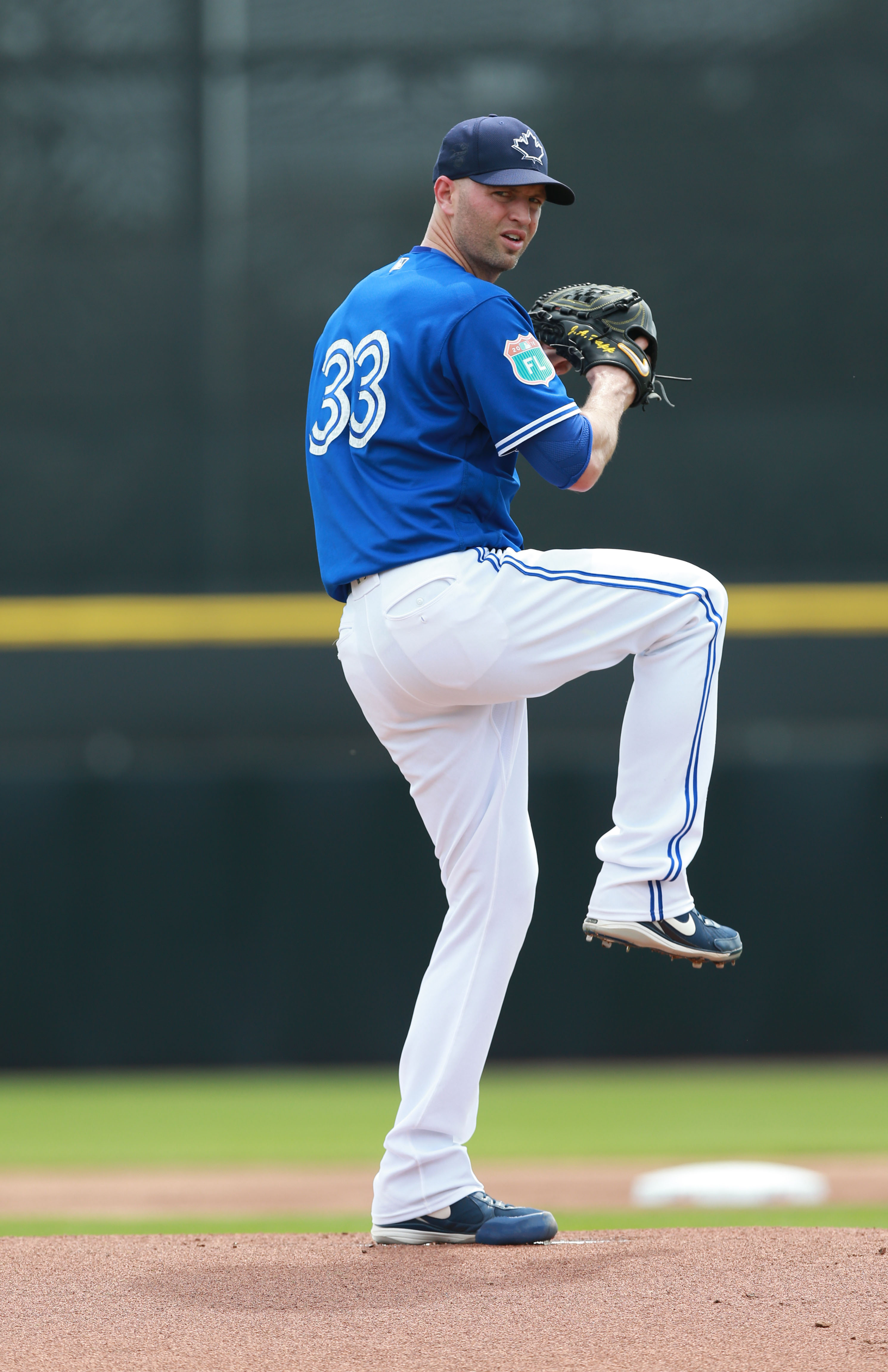 J.A. Happ is another familiar face returning to Toronto, as the southpaw dealt to Seattle last season for Michael Saunders is now back in the rotation on a three-year/$36MM deal. Such a contract would’ve been hard to imagine for Happ when he was struggling through his first 21 games of the season with the Mariners, yet a deadline trade to the Pirates and acclaimed pitching coach Ray Searage worked wonders. Happ posted a 1.85 ERA, 9.8 K/9 and 5.31 K/BB rate over 63 1/3 innings with the Bucs, easily the best extended stretch of his nine-year career.
Happ’s 172 innings last season was a career high, though he’s topped the 144-inning plateau four other times in his career (and likely would’ve done so in 2013 had he not missed time after being hit in the head with a line drive). Even if Happ reverts to his pre-Pirates career numbers, he’s a solid back-of-the-rotation arm who could have a higher upside if he really unlocked something in Pittsburgh.
The theme of adding veteran pitching continued with the signing of Gavin Floyd to a one-year deal that’s essentially a lottery ticket. Floyd earns $1MM in base salary and up to $1MM more is available in roster incentives, so on the off-chance that Floyd stays healthy and returns to his 2008-12 White Sox form, the Jays get a huge bargain. For that matter, Floyd is still a bargain if he pitches well out of the bullpen, as the Jays recently announced that he’ll start the season as a reliever.
Floyd pitched well in Spring Training during a well-publicized fifth starter’s battle with Aaron Sanchez (and to a lesser extent, Chavez and Drew Hutchison), and Toronto eventually decided to go with the promising youngster over the veteran. Since Sanchez is under an innings cap, however, he will eventually be moved back into the bullpen likely around July or August, which opens the door for Floyd, Chavez, Hutchison or perhaps a trade deadline pickup to join the rotation.
Sanchez’s move to the rotation was aided by the Jays’ acquisition of Drew Storen to bolster the relief corps, as Storen and Brett Cecil will serve as the setup men to second-year closer Roberto Osuna in a strong late-game trio. Storen was undoubtedly hoping he would earn the closer’s job as he heads into a contract year, though Osuna was so impressive last season and this spring that the Jays felt the sophomore righty didn’t deserve a demotion.
With five bullpen jobs set and Aaron Loup battling a forearm injury, switch-pitcher Pat Venditte or veteran specialist Randy Choate could join Cecil as the second southpaw in the relief corps. (Choate has been released by the team but the Jays are hoping he re-signs on another minor league deal as Triple-A depth at the very least.) Cecil will be the only lefty reliever on the roster to begin the season, as Ryan Tepera, new acquisition Arnold Leon and Rule 5 draft pick Joe Biagini comprise the rest of the bullpen.
In other lower-level signings, Toronto brought back Josh Thole and Darwin Barney as bench depth and acquired Junior Lake and Darrell Ceciliani as outfield depth in the wake of Ben Revere’s departure to Washington. The Jays also picked up a few players (Jesus Montero, Domonic Brown, Tony Sanchez) formerly regarded as top prospects in the hopes of finding a post-hype sleeper in the bunch.
On the extension front, Josh Donaldson inked a two-year deal that allowed he and the Jays to avoid arbitration this year and achieve cost-certainty for the 2017 season. Donaldson is still arb-eligible one more time due to his Super Two status. If he continues his MVP-level play, the third baseman could possibly set a new arbitration record for his 2018 salary, unless the Jays were to sign him to a longer-term extension in the interim.
Keep reading after the break for more analysis …
Offseason In Review: New York Yankees
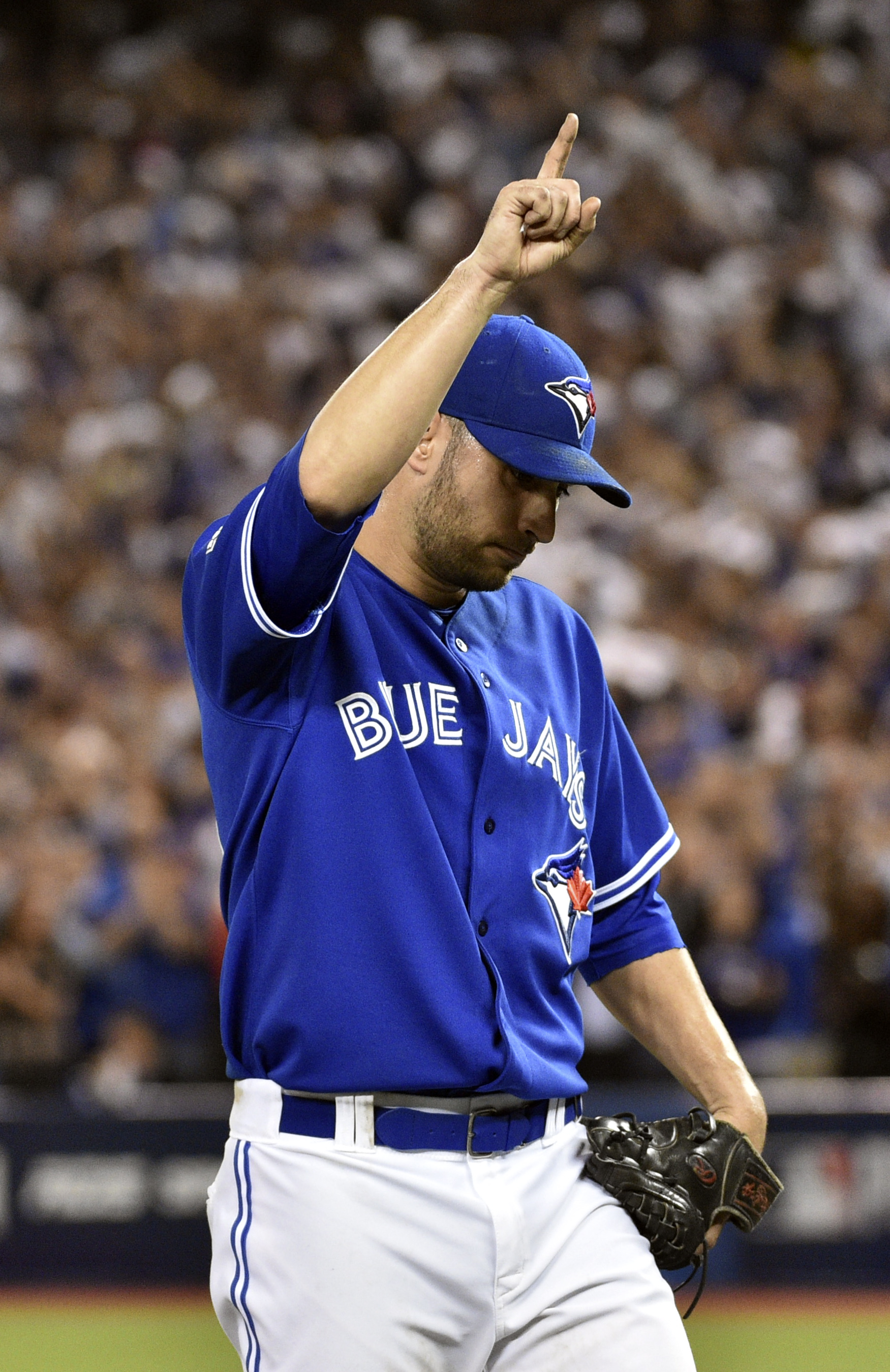
Do not adjust your screens — the Yankees did, in fact, actually go the entire offseason without signing a Major League free agent. New York instead relied on the trade market for upgrades as the team looks for a much lengthier postseason visit even as it continues to keep a close eye on future payroll commitments.
Major League Signings
- None
- Total spend: $0
Trades And Claims
- Acquired RP Aroldis Chapman from Reds for 3B Eric Jagielo, RP Caleb Cotham, SP Rookie Davis and 2B Tony Renda
- Acquired 2B/SS Starlin Castro from Cubs for SP/RP Adam Warren and IF Brendan Ryan
- Acquired OF Aaron Hicks from Twins for C John Ryan Murphy
- Acquired SP Luis Cessa and SP Chad Green from Tigers for RP Justin Wilson
- Acquired RP Tyler Olson and IF Ronald Torreyes from Dodgers for IF Rob Segedin and cash/player to be named later (Torreyes was later re-claimed off waivers after a brief stint with the Angels)
- Acquired RP Kirby Yates from Indians for $78K
- Acquired SP Ronald Herrera from Padres for IF Jose Pirela
- Claimed OF Lane Adams off waivers from Royals
Notable Minor League Signings
- Donovan Solano, Carlos Corporan, Anthony Swarzak, Chris Parmelee, Pete Kozma, Vinnie Pestano, Jonathan Diaz, Tyler Cloyd
Notable Losses
- Chris Young, Stephen Drew, Chris Capuano, Chris Martin, Andrew Bailey, Warren, Ryan, Murphy
Needs Addressed
The Yankees have dealt from their catching depth by trading Francisco Cervelli and Chris Stewart over the last two offseasons, and New York moved yet another backstop by sending John Ryan Murphy to the Twins in exchange for Aaron Hicks. It was an interesting one-for-one swap of young talent that filled a need for both clubs — Minnesota now has a long-term answer behind the plate, while Hicks can back up all three outfield positions and has good numbers against southpaws. It was only a few years ago that Hicks was seen as one of baseball’s better minor leaguers, so it’s certainly not impossible that Hicks can still break out at age 26.
When Hicks was acquired in early November, the Yankees could’ve had an eye on him as not just a fourth outfielder, but perhaps a platooner or everyday starter in left as Brett Gardner‘s replacement. Gardner’s name reportedly surfaced in talks with several teams, including the Cubs as part of a potential swap for Starlin Castro.
As it turned out, the Yankees did indeed land Castro, though at the cost of swingman Adam Warren and veteran backup infielder Brendan Ryan. Second base has been a problem area for New York since Robinson Cano‘s departure, and adding Castro is a potential long-term answer. The 26-year-old already has three All-Star appearances under his belt and is signed through the 2019 season (for $38MM), though as we’ll cover later, this is not quite a slam-dunk upgrade for New York.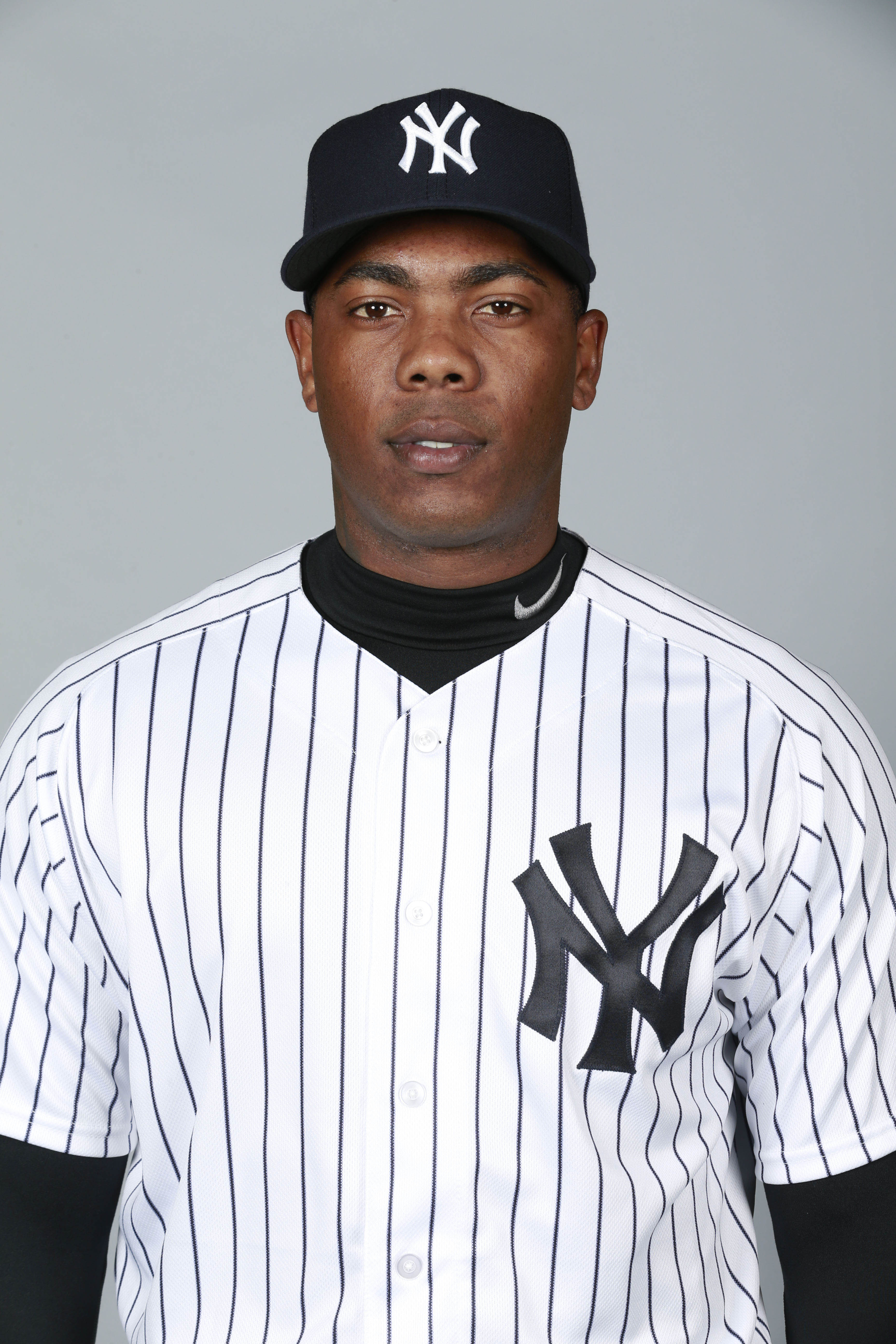
Trading four prospects for one year of a relief pitcher usually isn’t considered a steal, and yet Aroldis Chapman has been so dominant over his career that four non-elite prospects was, in pure baseball terms, a very reasonable price to pay. Of course, there was a huge reason the Reds’ price was so relatively low — the domestic violence allegations that scuttled one trade between the Reds and Dodgers for Chapman, and led to Chapman’s 30-game suspension under the league’s newly-established domestic violence policy. The Yankees faced criticism from several quarters for acquiring Chapman while the allegations were still being investigated, and while no criminal charges were ultimately filed against the reliever, the trade still left a bad taste in the mouths of many fans and pundits.
Once Chapman returns from suspension, he’ll become the closer of what could be one of the best bullpen trios in baseball history. The combination of Chapman, Andrew Miller and Dellin Betances goes a long way towards assuaging concerns about the Yankees rotation. The Yankees clearly had the idea of an uber-bullpen in mind for months, dating back to the July trade deadline and their interest in both Chapman and Craig Kimbrel, though it’s interesting to note that they also explored trading Miller this winter for starting pitching.
Infield depth is still a concern for the Yankees, though they did make some moves to address the backup situation with a number of minor signings and acquisitions that led to Ronald Torreyes earning a bench spot. Torreyes and Dustin Ackley will be tasked with stepping in should veterans be in need of rest days.
Keep reading for more analysis after the break …
Offseason In Review: St. Louis Cardinals
This is the latest entry in MLBTR’s Offseason In Review series. The full index of Offseason In Review posts can be found here.
After a winter in which they dealt with several significant losses, last year’s winningest team will try to regroup for 2016.
Major League Signings
- P Mike Leake: five years, $80MM (plus 2021 mutual option)
- P Jonathan Broxton: two years, $7.5MM
- C Brayan Pena: two years, $5MM
- P Seung-Hwan Oh: one year, ~$5MM (plus 2017 option)
- SS Ruben Tejada: one year, $1.5MM
Notable Minor League Signings
Trades And Claims
- Acquired IF Jedd Gyorko and cash from Padres for OF Jon Jay
- Acquired SS Jose Martinez from Royals for C Tony Cruz
- Claimed P Jayson Aquino from Indians
- Selected P Matthew Bowman from Mets in the Rule 5 Draft
Extensions
- Kolten Wong, 2B: five years, $25.5MM (plus 2021 option)
Notable Losses
- Jason Heyward, John Lackey, Jay, Steve Cishek, Peter Bourjos, Randy Choate, Mark Reynolds, Carlos Villanueva, Cruz
Needs Addressed
A variety of departures and injury issues had the Cardinals playing catch-up this offseason. They tried to retain star outfielder Jason Heyward with an offer for a greater total value than the deal Heyward eventually received, but were dealt a serious blow when Heyward instead picked the Cardinals’ division rivals in Chicago. The Cards were briefly connected to Alex Gordon, but instead chose to focus on other needs, going with Matt Holliday, Randal Grichuk and Stephen Piscotty in the outfield and Brandon Moss and Matt Adams at first.
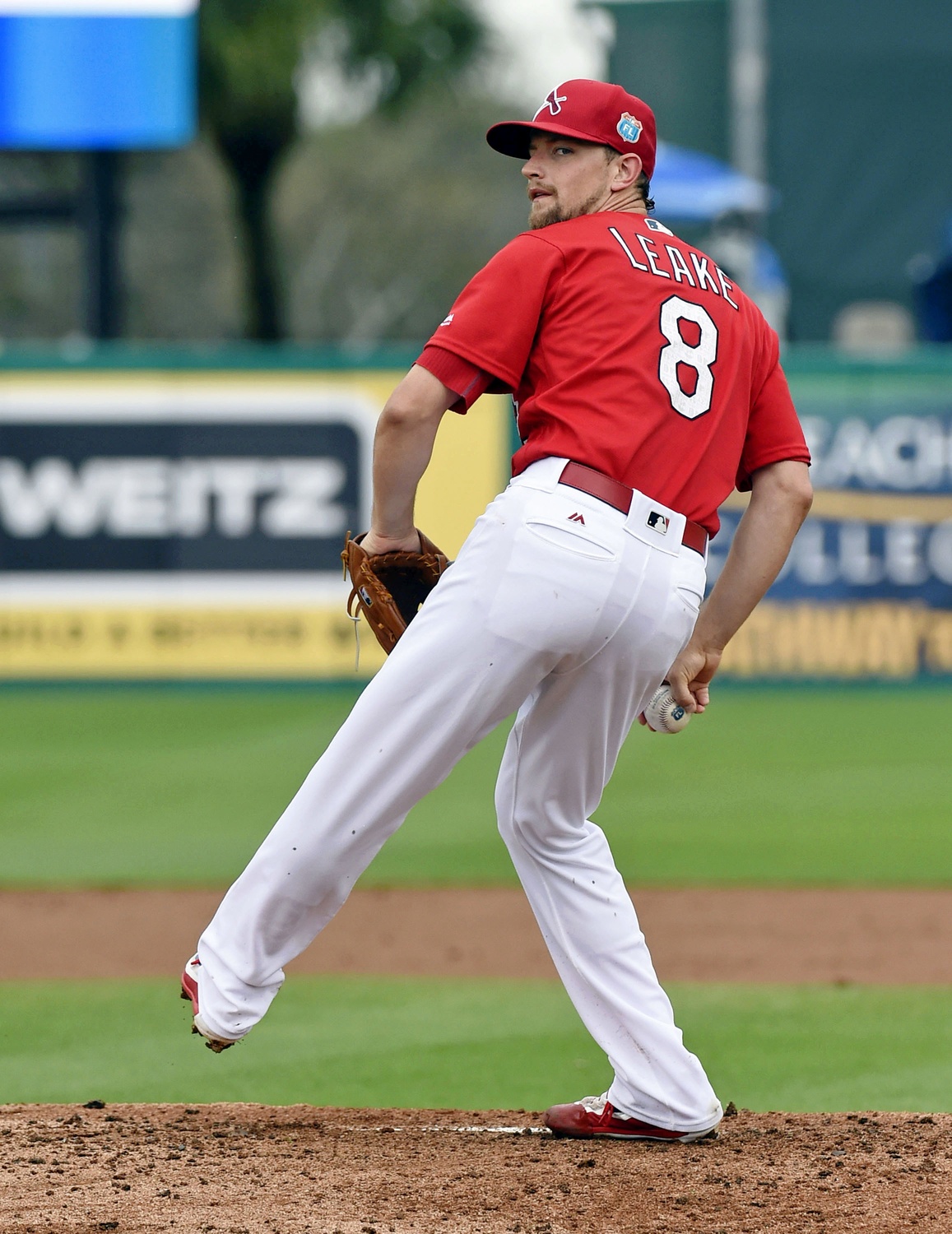 In the rotation, one top starter, John Lackey, left via free agency. Then, in early November, the team announced that another top starter, Lance Lynn, had undergone Tommy John surgery. Those losses left the Cards with significant holes at the top of their rotation. They aimed high, making a serious bid for David Price, but they lost out to the Red Sox and ended up signing Mike Leake (pictured) instead.
$80MM for a seemingly mid-grade starting pitcher like Leake seems like a lot, but perhaps it isn’t in an offseason in which Jeff Samardzija, Wei-Yin Chen and Ian Kennedy all received comparable amounts. (MLBTR’s Tim Dierkes predicted Leake’s $80MM contract exactly.) The 28-year-old Leake is easily the youngest of the four, and the Cardinals are effectively buying his late-prime years, at least in theory. Also, he has a strong health record, and his good control, ground-ball tendencies and strong hitting give him a high floor. Leake’s $80MM price tag reflects an escalation in starting pitcher salaries, but it’s also a reflection of Leake’s abilities, which are considerable, even if he isn’t as flashy as many of this winter’s other rotation options were.
The Cardinals’ other big-league signings were less significant, although they took steps to improve their bullpen. They re-signed Jonathan Broxton to a two-year deal after trading for him last July. The last several seasons of Broxton’s career have been spotty at times, and he struggled in 2015 with Milwaukee before being dealt to St. Louis, but he whiffed 9.4 batters per nine innings last year and still has mid-90s velocity. He should be in the Cardinals’ late-inning mix.
Joining him in that mix will be Seung-Hwan Oh, who’s making the leap to the US after nine seasons in his native Korea and two in Japan. Oh was a highly effective closer in both the KBO and the NPB, racking up a total of 357 saves between the two leagues and posting a career 1.81 ERA, 10.7 K/9 and 2.1 BB/9. The details of Oh’s contract still haven’t been released, but it reportedly guarantees about $5MM, with the chance to increase to $11MM over two years if Oh clears his incentives and the Cardinals pick up his 2017 option. That price would be a relative pittance for an everyday player, but it’s a significant commitment for a reliever, so the Cardinals seem to be banking on Oh being a key contributor to their bullpen.
Between Broxton, Oh and whatever they can get out of Jordan Walden (who’s currently struggling with what appears to be a continuation of the shoulder issues that cost him most of last season), the Cards’ bullpen could look quite different in 2016 than it did for most of last year, though it will also feature holdovers Trevor Rosenthal, Seth Maness and lefties Kevin Siegrist and Tyler Lyons (who’s out of options). Rule 5 pick Matt Bowman will reportedly get an opportunity in Walden’s absence.
Elsewhere, the Cardinals dropped light-hitting backup catcher Tony Cruz and replaced him with Brayan Pena, a competent but forgettable second catcher who signed a cheap two-year deal. In Spring Training, a late-breaking thumb injury to starting shortstop Jhonny Peralta forced the Cards to sign Ruben Tejada to a one-year, $1.5MM contract. Tejada is hardly a world-beater, but for the Cardinals to get a decent defensive shortstop with on-base ability after losing their shortstop in March rated as a minor coup at the time — Tejada is a credible big-league starter who only became available once the Mets released him, and in many seasons, it would have been hard for a suddenly-injury-ravaged team to find someone as good as Tejada without giving up any trade assets. Of course, Tejada went down with a quadriceps strain this week and will join Peralta on the DL to start the season.
The Cardinals also signed second baseman Kolten Wong to a five-year, $25.5MM deal that begins in 2016 and includes an option for 2021. The deal allows the Cards to control Wong for an extra two seasons through age 30 (since he would have been eligible for free agency after 2019), while providing Wong financial security. Wong doesn’t profile as a star, but he’s a solid defender and a good baserunner, and he provides enough offense that ensuring two extra years of his services on a relatively cheap extension seems like a reasonably low-downside gamble.
More analysis after the jump.
Dave Stewart Interview, Part II
Over four decades in baseball, Diamondbacks GM Dave Stewart has done nearly everything in baseball. He was a solid pitcher for 16 years, with 168 wins and a 3.95 ERA. Over four superstar seasons with the Oakland A’s, he collected 17.8 bWAR and four straight top-four Cy Young Award finishes. Upon retirement, he was a pitching coach and an assistant GM for multiple teams, and was a finalist to manage the Milwaukee Brewers upon Davey Lopes’s firing in 2002.
After failing to ascend to general manager in Toronto (with the Blue Jays instead hiring J.P. Ricciardi), Stewart formed a player agency and represented several stars, including Eric Chavez, Matt Kemp, Chad Billingsley and Chris Carter.
Years after Stewart had admittedly given up hope of ever being a big-league GM, Tony La Russa was hired to run baseball operations in Arizona and selected his former ace as the Diamondbacks GM.
Last week, we spoke to Stewart about his Diamondbacks team. This week, Stewart reflects on his career and his path to the big chair in this exclusive conversation.
—
You were drafted in the 16th round by the Dodgers in 1975, but you also had a ton of football scholarship offers, and played some pretty good basketball, too. Why did you choose baseball?
[Laughs] It was the sport that I was least likely to get hurt playing. There are obvious injuries that happen in baseball, but in football, even at 6’2”, 210 pounds, that’s not big enough to play the sport, for me. In basketball, there were some size restrictions as well. What’s great about baseball is that anybody can get on the diamond and show their skills. At the time, among the three sports, baseball was not my favorite, and probably not my best sport. But it’s just funny how things turn out.
Did you have any idea L.A. was going to convert you from catcher to pitcher?
No clue whatsoever [laughs]. Once I reported to [rookie ball in] Bellingham, Washington, the picture became clear what they were going to do with me.
You blossomed into stardom in front of your hometown Oakland fans, with four straight seasons for top-four Cy Young finishes. Meanwhile, your A’s teams made it to three straight World Series and not afraid to put somebody on their backsides to get there. But Oakland was under .500 in 1986, your first year in Oakland, and just .500 in Tony La Russa’s first full year as manager in 1987. When did the A’s develop their swagger?
We had a good group of players, [Mark] McGwire, [Jose] Canseco, Carney Lansford, Dave Henderson, Rickey Henderson. And you look at the pitching staff of myself, [Bob] Welch, Mike Moore, Curt Young; our rotation was good, we had Dennis Eckersley on the back end, and Rick Honeycutt and others in the pen.
But what really makes the team is the guy who leads the team, the manager. Tony was a great example of what we should be and how we should play the game. His message went through our clubhouse. We believed we could win, and when we stepped on the field, we were going to win. That all started with Tony and his coaching staff, and the things they brought to us day-to-day as players.
Since retiring, you’ve been a player agent, a pitching coach, in the front office, and even have gotten consideration as a manager. You seem to have your choice of baseball gigs. Why GM?
The general manager has the most impact on an organization and a franchise. I get the opportunity to pick the manager and put the players in place. It’s the biggest responsibility in an organization. I like that kind of pressure. I like being in that situation. I’ve won championships as a player, now I want to win a championship in the front office. In this capacity now, I want to be able to shape and form an organization, and build a tradition during my tenure.
You’ve been outspoken about the role of race in your goal to become a baseball GM. Was there ever a point when you thought it just wasn’t going to happen?
No, there wasn’t a single point, because by a certain time I definitely didn’t think it was going to happen. But the thing about baseball, especially at the upper levels of management, if you get the right person in the right position, it can affect your life immediately, as this did for me. Tony La Russa is a guy I’ve had a relationship with for over 30 years, and once he was put in a position where he could hire me, he did. If Tony would not have gotten his opportunity, I wouldn’t haven’t have gotten mine.
As you say, in many ways you learned how to play winning baseball under Tony, have been friends for decades, have discussed your futures in baseball together. Is it ideal to be working toward a championship in Arizona with him?
I know enough about Tony to say that our friendship had nothing to do with giving me the opportunity to do this job. But having a friendship makes it easier to do the job. Our communication is wide open. We feel free to talk with each other about anything. Most of the time our conversations are good conversations. Sometimes they’re not so good. We both have some fire. And that’s the great part about it, whether it’s a good conversation or a bad one, we walk out of the room united.
You were fresh-faced in 1981, winning your first title with Los Angeles. You were a pitching stud in 1989 when you won a second title, with Oakland. A few years later, you got a third in Toronto. Is there a favorite?
They were all good, because they were all at different points in my life. In 1981, I was just a rookie coming into the game, so I had an opportunity to win one right off the bat, which was great. I wasn’t of great impact to the Dodgers, but I was able to help them get there. In 1989, as you said, I was in the middle of it, and I made a difference in winning that World Series. In 1993 it was my last one, at the tail end of my career. I was on my way out of the game, contributing any way I could, but still having impact. I was ALCS MVP that year. But they were all significant and good because they were all different parts of my career and my life.
MLBTR College Series: Reds GM Dick Williams (University of Virginia)
MLBTR is beginning a series where we interview top baseball executives about their college years. We’ll ask about why those chose their school, memorable moments, their favorite professor, important connections made, college learnings they still use today, etc.
Leading off the question-and-answer series is Cincinnati Reds Senior Vice President/General Manager Dick Williams – a graduate of the University of Virginia.
* * * * *
First off, sorry about the basketball game Sunday. Why did you choose Virginia?
“I’m still reeling from the loss. Feel free to put that in the article. It was tough. I was so bummed. It’s been a while since we’ve gone to the Final Four. Why Virginia? It’s tough to pinpoint exactly. I went to boarding school in the northeast and I loved it. After two years in the northeast, I thought I would try a different part of the country. I’ve always been a bit of a wandering soul, and I wanted to try something new. So I applied to some northeastern schools, but I also applied to schools in the southeast and on the West Coast. I kind of had it in my mind that I was going to try a new part of the country.
The real tipping point was that I was a finalist for an award called the Jefferson Scholar, and they award a handful of these each year to incoming freshman. It’s a prestigious academic leadership award. They invite the finalists down their senior year to participate in a multi-day forum. They interview you and they have you participate in activities … and take tests … and they observe you. Then they award the scholarships for the next year. I didn’t get picked as a Jefferson Scholar, but I got to go down there for three days in March of my senior year in high school. And I spent three days on the Charlottesville campus – which was more than I spent on any other college visit. I think I just got more familiar with it. It didn’t hurt that it was St. Patty’s Day while I was there, so they had all these fraternity parties and all of the social activity going on. This beautiful campus … it was spring … it was gorgeous … and we’re just running around having the time of our lives. I really got a good feel from being there. I think that just gave it a leg up over other great schools that I was looking at. I think going there for that long weekend made all the difference.”
Although you weren’t selected a Jefferson Scholar, you did decide to go to UVA. Did you end up going there on an academic scholarship?
“They have another program called the Echols Scholars, and that’s for the top incoming freshmen academically. It is not a monetary scholarship. What it allows you to do is it gives you academic freedom when you get there. And I was an Echols Scholar. It gives you priority to sign up for any classes. Instead of classes based on age or what your major was, if you were an Echols Scholar, you got a free pass into any class you wanted to take. That really shaped my experience there, because I made it a point of trying to take classes in every discipline. I took a class from the engineering school. I took classes from the nursing school. I took classes from the architecture school. I did a little bit of everything – just because I was given that freedom. You didn’t have to meet typical major requirements as an Echols Scholar. You could build your own field of study. So you could really spread it around, and I took full advantage of it. I just took a lot of things that interested me that I would never get a chance to study again. When I look back on my transcript, it wasn’t all finance or all politics. It really was a melting pot of things I was interested in.”
So, what was your major?
“Well, my diploma says Echols Scholar Interdisciplinary Studies. So I had to explain that in job interviews for years. Just telling people that I really didn’t have a major. But I majored in being a liberal arts student – taking a little bit of everything.”
Looking back, should you have focused on a specific major – or are you comfortable with the route you took?
“I’m really comfortable with the route I went. I loved doing it the way I did. And when I got out of college, I went right into investment banking on Wall Street – and they put us through a training program of accounting and finance. I had a very good base in that. I learned plenty there and on the job. I ended up getting my chartered financial analyst designation – my CFA – a few years later, and that was self-study. Once my career took me on a path, then I began to do a lot of that follow-up work on my own.”
Did you have a favorite class or favorite professor?
“I would have to say my favorite class was what they called ‘Bice Psych.’ Professor Bice. Everybody took that. It was Intro to Psychology. Every class was like a Broadway show. He always brought something very interesting to class. A lot of practical examples. A lot of funny stories. A lot of interactive exhibits. It also didn’t hurt that it was a pretty easy ‘A’ … For me, you got out of high school and you get to college – and you don’t know what to expect. I received some good advice to sign up for this class. It reminded you that academics could be fun and interesting. Not every class was big textbooks that you can’t read and worrying about copying down notes. ‘Bice Psych’ was like going to recess.”
Can you share any memorable moments from your college days?
“I went abroad for a semester. I went to Australia; that was one of my formative experiences. I had a great time going down there. It’s kind of different being on the other side of the world. It was more about the travel and being able to travel around Australia and New Zealand. I kind of cheated a little bit … I went abroad, but there was no language barrier. That made it easier to meet people.”
Any college learnings that you utilize today?
“Statistics and probability – I took them there and really got a good understanding of them. I was surprised at how much that played into my business career, both in baseball and investment banking. Just the foundation for statistics and probability. It really affects everything you do in your daily life.”
Keep reading after the break for more …
Offseason In Review: Miami Marlins
This is the latest entry in MLBTR’s Offseason In Review series. The full index of Offseason In Review posts can be found here.
The Marlins made a significant pitching investment after deciding to keep their outfield intact, leaving the same young core in place that showed promise in 2014 but didn’t deliver last year.
Major League Signings
- SP Wei-Yin Chen: Five years, $80MM (includes opt-out after second year)
- OF Ichiro Suzuki: One year, $2MM
- C Jeff Mathis: One year, $1.5MM
- SP/RP Edwin Jackson: One year, $507.5K
- 3B/1B Chris Johnson: One year, $507.5K
- Total spend: $84.515MM
Notable Minor League Signings
- Robert Andino, Dylan Axelrod, Craig Breslow, Paul Clemens, Don Kelly (since released), Zach Lutz, Justin Maxwell (since released), Dustin McGowan, Chris Narveson, Adrian Nieto, Troy Patton, Jo-Jo Reyes, Xavier Scruggs
Trades And Claims
- Acquired SP/RP Richard Mitchell from Pirates for SP Trevor Williams (as compensation for hiring of Jim Benedict)
- Claimed RP Nefi Ogando from Phillies
- Claimed RP Mike Strong from Brewers (later claimed by Twins)
- Claimed SP/RP Tim Berry from Orioles
Extensions
Notable Losses
- Henderson Alvarez (non-tendered), Erik Cordier, Casey McGehee, Donovan Solano
Needs Addressed
The Marlins entered the winter with one clear mandate: finding a quality starter to pair with ace Jose Fernandez. With former top-of-the-rotation mate Henderson Alvarez set to be non-tendered — the club found his shoulder too great a risk for the investment — it seemed clear that one or more additions were needed. The only question was how that would be accomplished.
All signs initially pointed to a swap involving young center fielder Marcell Ozuna, who featured as one of the most intriguing trade chips in baseball as the offseason kicked off. A rocky relationship with the organization — rather than a roster surplus — seemingly left the talented youngster ticketed for another club for a controllable arm. But pulling off such a deal was probably easier said than done, and the scenario never came to fruition. While it might well have made sense to swap out Ozuna for the right young pitcher, the Fish were wise not to part with him for anything short of a high-quality asset.
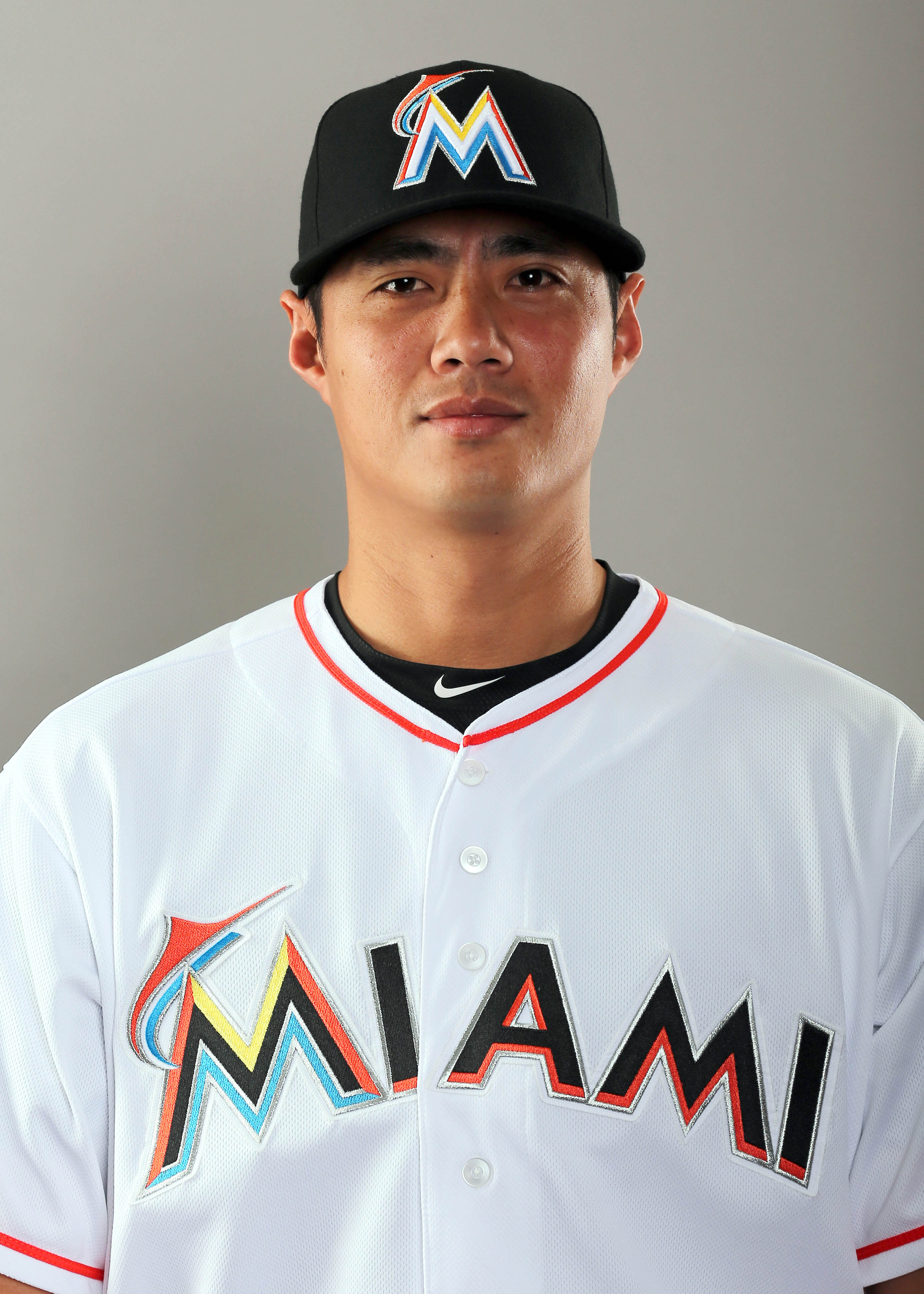
Ultimately, Miami turned instead to the free agent market to bolster its staff, settling on accomplished southpaw Wei-Yin Chen. The deal could be a bargain if Chen can continue to deliver results, as he’s owed just $28MM before his opt-out opportunity. Of course, that leaves a lot of cash to go if he flops, and the team also parted with a second-round draft pick to add him. (Then again, the team also likely saved money by including the opt-out, a concept explored just yesterday by MLBTR contributor Matt Swartz, who values Chen’s clause at about $12MM.)
There’s no disputing the value of the 3.44 ERA and 377 frames that Chen carried over the last two seasons with the Orioles. That kind of production gets paid, and the Taiwanese hurler landed the exact guarantee that MLBTR’s Tim Dierkes predicted. But questions remain as to sustainability, as Chen has succeeded in spite of uninspiring strikeout and groundball numbers and some inflated home run tallies. He ought to be a sturdy mid or back-of-the-rotation arm at worst, but the Marlins will be crossing their fingers for more.
Otherwise, Miami largely added bit pieces. Beloved veterans Ichiro Suzuki and Jeff Mathis are back for bench roles, while righty Edwin Jackson and third baseman Chris Johnson were picked up at league minimum while other organizations pick up the bulk of the tab on the remainder of their big-money contracts.
Jackson is one of several swingman types on hand, joining Brad Hand and David Phelps as pitchers who’ll likely start in the pen but could also provide rotation help. The relief corps also could include several other offseason additions, including claimee Nefi Ogando (who was just optioned) and minor league free agents such as Craig Breslow, Chris Narveson, and Dustin McGowan.
As for Johnson, he’s expected to share time at first with Justin Bour, who showed nicely last year but has yet to prove he can hit against left-handed pitching. Johnson also provides an option at third, which will be manned primarily by Martin Prado. The rest of the starting roles are also set: Miami returns J.T. Realmuto behind the dish, Adeiny Hechavarria at short, and the recently-extended Dee Gordon at second (more on that below).
Read on for more analysis …